


Pictus Catfish Care Guide: Silver Spots and Long Barbels
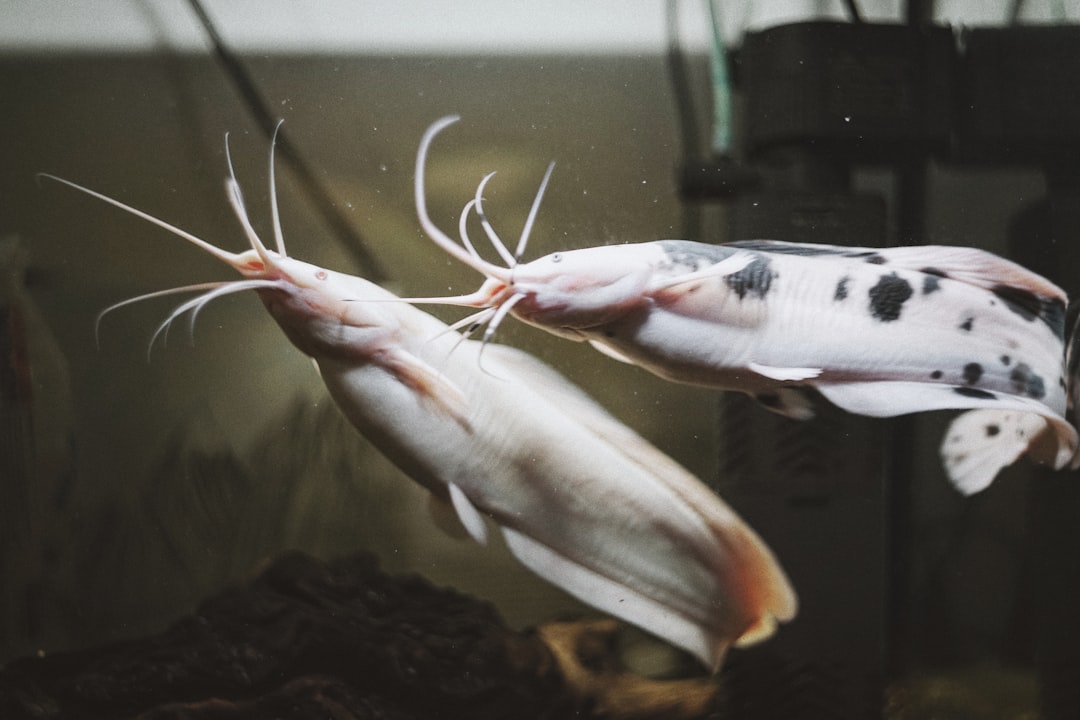
With its polished silver body, bold black spots, and barbels that sweep back like fine whiskers, the pictus catfish (Pimelodus pictus) is one of the most recognisable catfish in the freshwater hobby. This pictus catfish care guide from Gensou Aquascaping at 5 Everton Park, Singapore, covers tank requirements, feeding, suitable companions, and the quirks that make this active swimmer both rewarding and slightly demanding. Despite being widely sold as a beginner catfish, it has specific needs that are worth understanding before you bring one home.
Species Overview
Pimelodus pictus originates from the Amazon and Orinoco river basins in South America. It reaches 12-14 cm in captivity and is a highly active, shoaling catfish that rarely sits still during twilight and nighttime hours. Two spot patterns exist in the trade: the small-spot Colombian form and the large-spot Peruvian form. Both require identical care. Lifespan is typically eight to ten years with good husbandry, making this a genuine long-term commitment.
Tank Size and Layout
A group of four to six pictus catfish needs a minimum of 250 litres in a tank at least 120 cm long. These fish are fast, restless swimmers that patrol the entire length of the aquarium at speed, especially after dark. Provide driftwood, smooth river stones, and sturdy plants to create shaded retreats. Avoid sharp-edged decorations and rough rocks: the long, delicate barbels are vulnerable to abrasion injuries that can lead to bacterial infections. A sand substrate is strongly recommended over gravel for the same reason.
Water Conditions
Pictus catfish prefer soft, slightly acidic water at pH 6.0-7.2 and GH 2-10. Singapore’s tap water, once dechlorinated, sits comfortably within this range at GH 2-4 and pH around 7.0. Temperature should be 23-27 °C. In Singapore’s tropical climate, a heater is rarely needed, but ensure the tank does not exceed 30 °C during hot spells, as this species tolerates warmth less gracefully than many tropical fish. A small clip-on fan directed at the water surface provides effective cooling in HDB settings.
Feeding
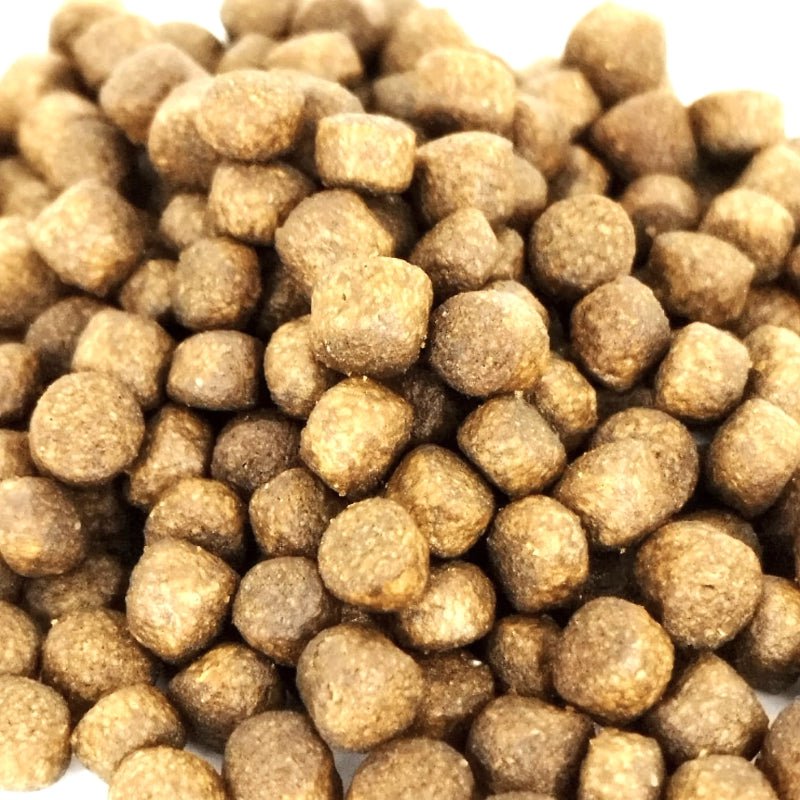
Pictus catfish are enthusiastic omnivores that eat virtually anything. Sinking pellets or tablets form a convenient staple. Supplement with frozen bloodworms, brine shrimp, and chopped prawns for protein variety. They also accept flake food that reaches the bottom but prefer sinking formats. Feed in the evening when the fish are most active, offering what the group consumes within five minutes. Be mindful that pictus catfish have large mouths relative to their body size and will swallow small tankmates without hesitation.
Tankmate Compatibility
Any fish small enough to fit in a pictus catfish’s mouth is food, not a companion. This rules out neon tetras, small rasboras, and dwarf shrimp entirely. Compatible tankmates include medium to large tetras like Congo tetras or Buenos Aires tetras, rainbowfish, peaceful cichlids such as keyhole cichlids, and other similarly sized catfish. Avoid aggressive cichlids that may harass the pictus group. Keeping pictus catfish singly leads to stress and hiding; a group of at least four brings out their natural active behaviour.
Handling and Venomous Spines
Pictus catfish possess sharp, mildly venomous spines on their pectoral and dorsal fins. A sting produces a painful, bee-sting-like reaction that can last several hours. Never net a pictus catfish with a standard mesh net, as the spines tangle instantly and cause injury to both the fish and the keeper. Use a solid plastic container or a fine-mesh specimen cup to move them. When performing tank maintenance, be aware of their location to avoid an accidental jab.
Common Health Concerns
Ich (white spot disease) is the most frequent ailment, particularly after temperature fluctuations or the introduction of new fish. Pictus catfish are sensitive to many common medications, especially those containing copper and formalin. Use half-dose treatments and raise the temperature to 30 °C gradually to treat ich safely in a pictus tank. Barbel erosion from rough substrates or poor water quality is another common issue. Maintain nitrate below 20 ppm through consistent weekly water changes of 30-40%, and ensure the substrate is smooth sand rather than crushed coral or sharp gravel.
Related Reading



