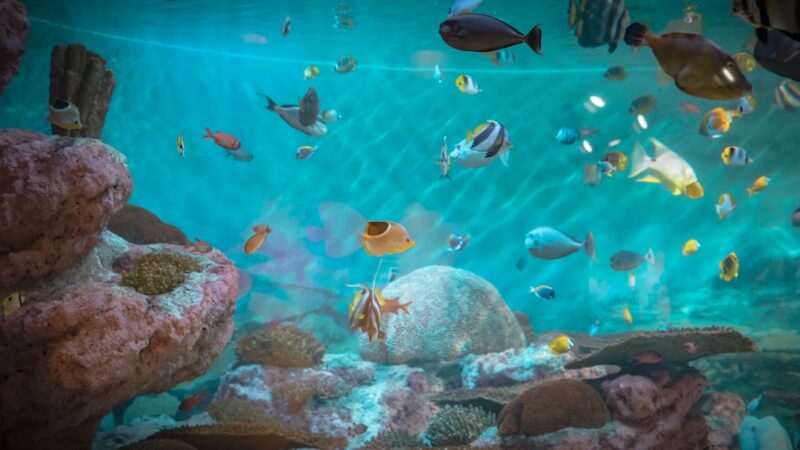
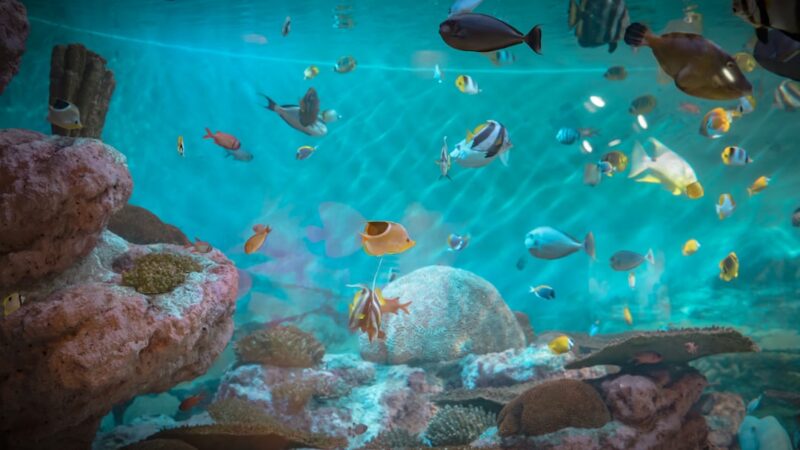
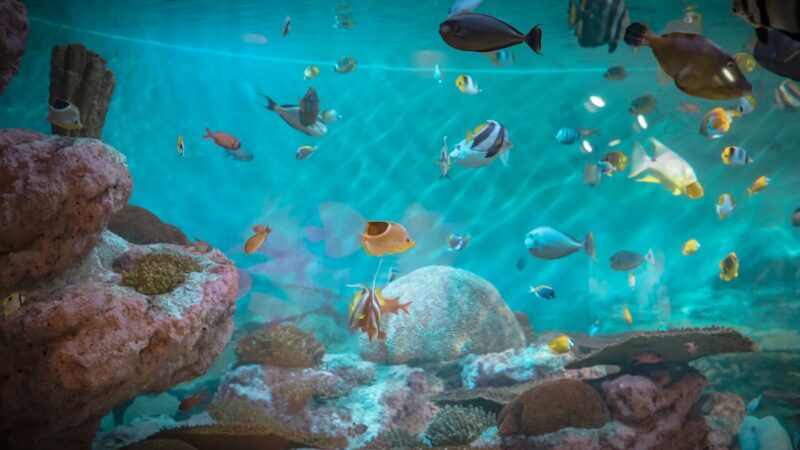
40 Gallon Planted Community Tank Stocking: Tetra, Cory, Rasbora Plans
A 40 gallon (150 litre) tank is the first size where a planted community really breathes. You can run two distinct shoals, a full bottom cleanup crew, and a proper centrepiece fish without anyone tripping over each other. This 40 gallon planted community tank stocking guide pulls from builds we have run at Gensou Aquascaping at 5 Everton Park across four footprint options — the 90x45x45 cm is our default recommendation for local HDB living rooms because the depth reads well on camera and fits most sideboards.
Quick Facts
- Tank volume: 150 litres, typical 90x45x45 cm or 120x30x40 cm footprint
- Realistic stocking: 30-45 small fish plus a centrepiece pair or trio
- Filter turnover: 600-900 L/h, canister preferred
- Lighting: mid-spec LED at 40-60 PAR substrate, CO2 optional but helpful
- Weekly water change: 30-40%, matched for temperature
- Typical livestock budget in SG: $350-$550 for a full stocking
- Heater usually unnecessary — ambient 28-30 °C suits most tropicals
Why 40 Gallons Changes the Planning
The jump from a 20 to a 40 is not just double the fish. The extra footprint lets a shoal actually shoal — rummynoses stop hugging glass and start flowing through the scape. It also gives corys room to form groups of eight-plus, which is the minimum where you see natural foraging behaviour rather than scattered loners. Plan three species, not six. Over-diversifying a 40 is the most common rookie error we correct in consults.
Keep total adult length under roughly 120 cm, leave a clear upper third for gouramis or hatchetfish, and always stock bottom dwellers last so they colonise an already-matured biofilm layer.
Tetra-Forward Plan: South American Showcase
Fifteen rummynose tetras, ten black neon tetras, eight sterbai corydoras, and a pair of Bolivian rams as the centrepiece. This is the most photographed 40 gallon planted community tank stocking combination in our shop because the two tetra shoals move on different levels — rummynoses tight and darting, black neons loose and mid-column.
Sterbai cories tolerate 29 °C, unlike panda or peppered, which matters through April-May when ambient creeps up. Bolivian rams are far hardier than German blues in PUB water and more tolerant of shared territory with a second fish if you scape a clear visual divider of stones or wood.
Cory-Forward Plan: Substrate Focus
Twelve pepper-alternative Corydoras aeneus (bronze), eight Corydoras habrosus for mid-water, one pair of honey gouramis, and a shoal of twelve ember tetras. Bronze cories do fine up to 30 °C and are cheap at $3-$4 a fish locally. Habrosus are the dwarf cory worth hunting for — they sit mid-column more than the bottom and fill an empty layer the larger cories ignore.
Use a fine river sand at 3-4 cm depth. Avoid sharp Flourite — it wears down barbels over months. A dim tank with floating plants suits the honeys; they will colour up and breed in bubble nests under Limnobium.
Rasbora-Forward Plan: Southeast Asian
Twenty harlequin rasboras, eight kuhli loaches, six sparkling gouramis, and a small shoal of six pygmy cories. Everything on this list lives within 500 km of Singapore naturally and you can stock the whole tank from a single visit to Pasir Ris Farmway for under $300.
Target pH 6.0-6.5 with Indian almond leaves and a small pouch of peat in the canister. Kuhlis need caves — stack lava rock or cholla so they have multiple exit points, otherwise they hide from you for months. Sparklings are shy; give them a floating canopy of Salvinia or Phyllanthus to feel secure.
Planting That Supports the Stocking
Use a midground mass of Cryptocoryne wendtii or C. balansae — both are bulletproof in soft SG tap water and shelter nervous fish. A background of Vallisneria or Rotala rotundifolia adds vertical movement. Up front, a tight carpet of Monte Carlo or Staurogyne repens reads better on a 45 cm depth tank than tiny HC cuba, which needs high CO2 to hold.
Heavy planting is not optional. A dense tank processes nitrate faster than your filter, shades glass from algae, and gives shy species the psychological security to display natural colour.
Filtration and Flow Setup
An Eheim Classic 350, Oase BioMaster 350, or Fluval 307 each turn this volume over cleanly. Aim for six turnovers an hour measured at the return. Split flow with a spraybar along the back wall pointing forward and down at 15 degrees so the whole scape gets oxygenated water without blasting the centrepieces.
Drop a small circulation pump in a back corner if you spot debris accumulating. Rasboras and tetras both prefer steady rather than chaotic flow.
Feeding a Mixed Community
Rotate a quality micro pellet in the morning, frozen bloodworm or daphnia four evenings a week, and sinking wafers twice a week after lights out for the cories and kuhlis. Over 150 litres, a careless overfeed spikes nitrate visibly within three days — use a small 1 ml scoop per feeding and watch every pellet land in a mouth.
Common Compatibility Mistakes
Do not mix angelfish with small rasboras — angels grow, rasboras become snacks. Do not keep clown loaches in this size; the 30 cm adult reality catches most keepers off guard by year three. And avoid adding a pleco “cleanup” fish to an already busy tank — common plecos hit 40 cm and outgrow 150 litres within two years.
Local Sourcing Notes
C328 Clementi runs reliable rummynose stock most Saturdays. Green Chapter carries better-than-average plant health for cryptocorynes and Bucephalandra. For cories and kuhlis, Iwarna and the Pasir Ris farms beat retail pricing by 30-40%.
Related Reading
- Best 40 Gallon Aquarium Stocking
- Beginner Community Tank Stocking Guide
- Corydoras Catfish Care Guide
- Harlequin Rasbora Care Guide
- How to Choose Fish for a Community Tank
Final Word
Pick one of the three plans above, stock in three visits spaced two weeks apart, and resist adding “one more species” at month six. A settled 150 litre with three well-matched groups looks vastly better than a chaotic tank with eight.