
60 Gallon Community Tank Stocking Ideas: Centrepiece Fish Setups
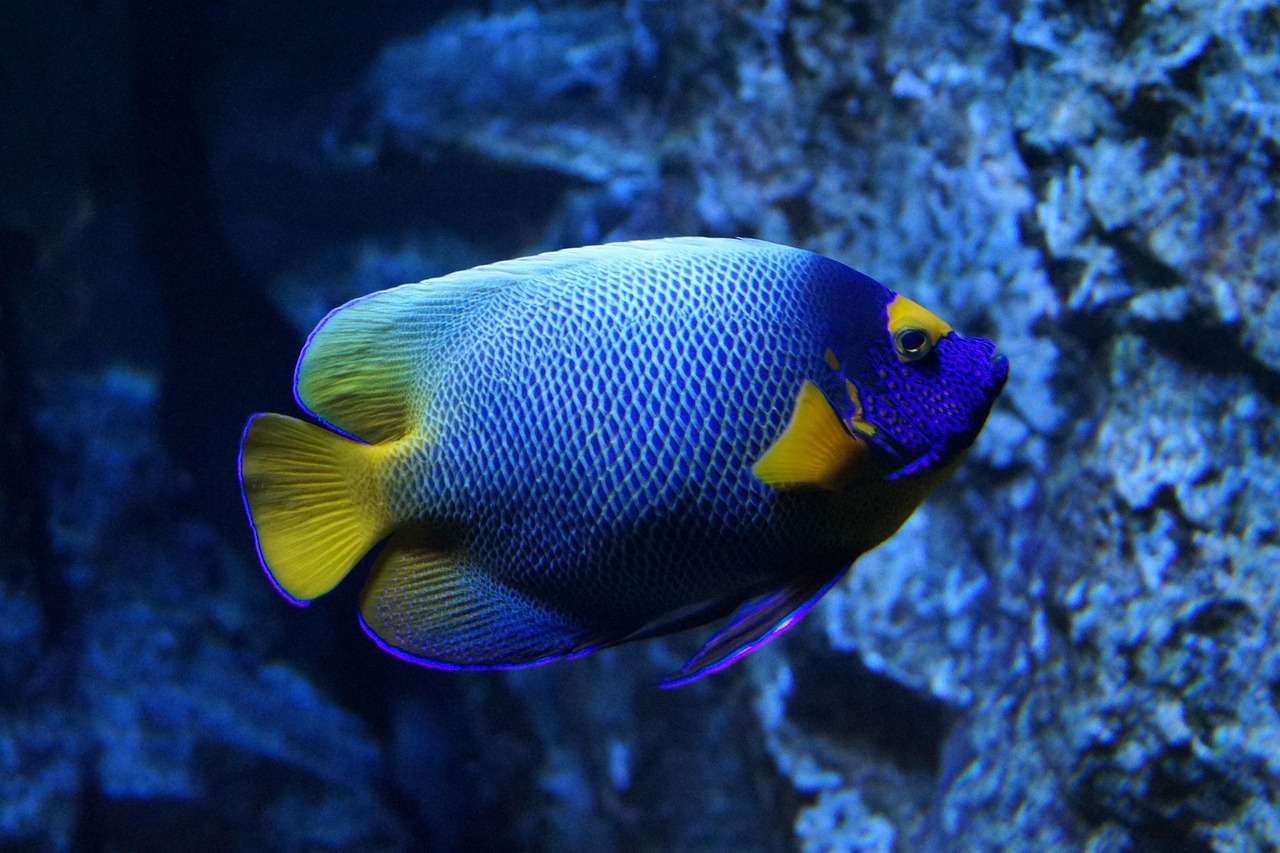
A 60 gallon tank — roughly 225 litres in the common 120x45x45 cm format — is the first size where a proper centrepiece fish looks at home rather than pinned against glass. The 60 gallon community tank stocking ideas below are all field-tested in Singapore apartments and assume soft PUB water, an ambient of 28-30 °C, and no heater. This guide, drawn from builds at Gensou Aquascaping at 5 Everton Park, focuses on four centrepiece species and the dither shoals that make them settle in.
Quick Facts
- Typical volume: 225 litres, footprint 120x45x45 cm
- HDB floor loading: 225 kg including stand and water — generally fine on slab floors, check condo T&Cs
- Filter turnover target: 900-1200 L/h with mechanical and biological media
- Stocking headroom: one centrepiece pair, two dither shoals, one bottom cleanup crew
- Weekly water change: 30-40%, 50% if running discus
- Livestock budget: $500-$1200 depending on centrepiece species
- Plant load: heavily planted or CO2 injected for best long-term balance
Why 60 Gallons Is the Centrepiece Threshold
Angelfish, pearl gouramis, discus, festivums — these species need vertical space and a long sightline to feel settled. Below 120 cm length you compress their territorial buffer and see fin-nipping or constant glass pacing. The 120x45x45 cm footprint also lets you run two dither shoals on separate axes, so the centrepiece has movement to key off without being crowded.
Budget accordingly. A 60 gallon eats more electricity, more fertiliser, and more livestock dollars than most first-time upgraders plan for. Expect $40-$60 a month in running costs with CO2, lights, and a 200 W heater during the rare cool spell.
Idea One: Classic Angelfish Planted
One pair or trio of altum-type angelfish (Pterophyllum scalare), twenty rummynose tetras, twelve sterbai corydoras, and a pair of bristlenose plecos. The angels hold the middle, rummynoses fill the lower-mid plane, and cories work the substrate. Avoid neon or cardinal tetras as dithers — adult angels will pick them off, even if they coexisted as juveniles.
Plant with a tall Vallisneria or Echinodorus background. Angels need vertical leaves to spawn on, and a flat piece of slate leaned at 30 degrees often beats sword leaves for consistent egg placement.
Idea Two: Discus Community
Six sub-adult discus (grown together from 6 cm), twenty cardinal tetras, ten sterbai cories, and a shoal of eight hatchetfish on the surface. Discus are feasible in SG tap if you drip-acclimate slowly and hold 29-30 °C without a heater. Skip the hobby myth about RO only — PUB water with Seachem Prime and heavy plants runs perfectly well.
Dose dry fertilisers rather than wet EI mixes here; discus are sensitive to spiking phosphate. Feed frozen bloodworm, beefheart mix sparingly, and pellet twice daily. Plan 50% weekly water changes — non-negotiable.
Idea Three: Pearl Gourami Feature Tank
One pair of pearl gouramis, three pairs of honey gouramis, fifteen harlequin rasboras, eight kuhli loaches, and twelve amano shrimp. A gentler build than angels or discus, and more forgiving of a keeper still learning. Pearls need surface calm — no spray bar blasting the top, no lily pipe churn — so the males can build bubble nests.
Floating plants are mandatory. Limnobium laevigatum and Phyllanthus fluitans both thrive in Singapore humidity above an open-top rim. Expect spawns within three months if parameters stay stable.
Idea Four: Dwarf Cichlid Biotope Lite
Two pairs of Apistogramma cacatuoides or trifasciata (separate territories), fifteen black neon tetras, ten ember tetras, and a shoal of six Farlowella twig catfish. The two apisto pairs each claim a coconut shell or inverted flowerpot on opposite ends, and the two tetra shoals fill the dither gap between them.
Softer water helps apistos colour up — drop pH to 6.2-6.5 with Indian almond leaves and a mesh bag of peat in the canister. Feed microworm, baby brine, and crushed pellet; both apisto species will breed readily in mature tanks.
Filtration, Heat, and Hardware
Run a canister rated for 250-300 litres — an Oase 600, Eheim 600, or Fluval 407. Double filter on discus tanks. Drop temperatures are rare in SG, but a 200 W heater set to 27 °C as a safety floor protects against aircon-driven cold snaps. LED lighting at 60-80 PAR substrate supports most planted builds; add CO2 at 25-30 ppm if you want reds and carpets.
Plant Selection for Scale
Avoid tiny foreground plants on a 45 cm depth tank — they disappear on camera. Use larger-leaved Cryptocoryne balansae, Aponogeton bulbs, and mid-sized Echinodorus. A bold piece of Sumatran driftwood running diagonally gives centrepiece fish a sightline break without crowding swim space.
Stocking Order and Quarantine
Dithers first, bottom cleanup second, centrepiece last. Quarantine every new fish for three weeks in a separate 40 litre bin tank — a single ich-carrying rummynose can torch your whole investment. Treat prophylactically with praziquantel for imported stock, particularly discus and gouramis from Malaysian farms.
Ongoing Maintenance Rhythm
Thirty percent water change weekly with PUB water dosed at double chloramine remover. Prune stems fortnightly. Clean the canister inlet sponge monthly but leave biological media alone for six months unless flow drops sharply. Test nitrate weekly; target under 20 ppm for gouramis and angels, under 10 for discus.
Related Reading
- Aquascape for Angelfish Tall Tank
- Discus Fish Care Guide
- Pearl Gourami Care Guide
- Best 55 Gallon Aquarium Stocking
- Living Room Centrepiece Aquarium Guide
Final Word
Pick one centrepiece species and build everything else around it. A confused 60 gallon with three “almost centrepiece” species always reads messier than a disciplined stocking list. Come by the shop if you want us to sanity-check yours before buying.



