
Chili Rasbora Care Guide: Tiny, Stunning and Perfect for Nano Tanks
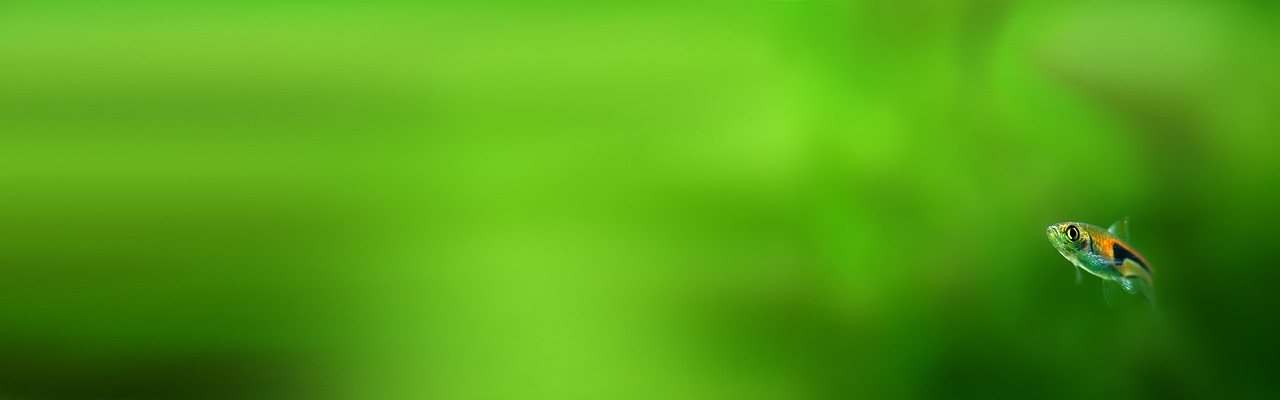
The chili rasbora (Boraras brigittae) is a jewel of the nano fishkeeping world. At barely 2 centimetres fully grown, this tiny Indonesian native packs an extraordinary amount of colour into its minuscule frame — a deep ruby-red body with a dark lateral stripe that rivals fish many times its size for visual impact. For Singapore aquarists interested in nano aquascaping, chili rasboras are among the most rewarding species you can keep. This guide covers everything you need for successful chili rasbora care. This guide sits inside our broader Freshwater Aquarium Complete Beginner Hub reference.
Species Overview
Chili rasboras belong to the genus Boraras, a group of micro fish from Southeast Asia. They are native to the blackwater peat swamp forests of southern Borneo (Kalimantan, Indonesia), where they inhabit shallow, heavily vegetated pools with extremely soft, acidic, tannin-stained water.
| Attribute | Details |
|---|---|
| Scientific name | Boraras brigittae |
| Common names | Chili rasbora, mosquito rasbora |
| Adult size | 1.5 – 2 cm |
| Lifespan | 3 – 5 years |
| Diet | Omnivore (micro foods) |
| Temperament | Peaceful, shy |
| Minimum group | 10 |
The chili rasbora’s colouration is its defining feature. Males display an intense dark red body with a prominent dark lateral stripe bordered by brighter red above and below. Females are more subdued — pinkish-orange rather than deep red — and slightly rounder in the body. In prime condition, with soft water and a dark environment, well-settled male chili rasboras are among the most vividly coloured freshwater fish in existence, size for size.
Tank Size and Nano Suitability
Chili rasboras are the quintessential nano tank fish. Their tiny size, minimal bioload and calm disposition make them ideal for small aquariums that would be unsuitable for larger species.
Recommended Tank Sizes
- Species-only nano: 15 to 20 litres for a group of 10 to 12
- Planted nano: 20 to 30 litres for 12 to 15 chilis with shrimp
- Community nano: 40 litres or more when combining with other micro species
A beautifully aquascaped nano tank of 20 to 25 litres with a group of 12 chili rasboras, some cherry shrimp and lush moss-covered driftwood is one of the most captivating small aquariums you can create. It fits comfortably on a desk or shelf — perfect for HDB flats or condo spaces where floor area is limited.
Water Parameters
Chili rasboras come from extremely soft, acidic blackwater, and while captive-bred specimens are somewhat adaptable, they genuinely thrive in conditions that approach their natural habitat.
| Parameter | Ideal Range | Notes |
|---|---|---|
| Temperature | 22 – 28 °C | Comfortable at Singapore temps |
| pH | 4.5 – 7.0 | Acidic water brings out the best colour |
| GH | 1 – 8 dGH | Very soft water preferred |
| KH | 0 – 4 dKH | Low buffering capacity |
| Ammonia / Nitrite | 0 ppm | Extremely sensitive — pristine water essential |
| Nitrate | Below 10 ppm | Keep very low in nano tanks |
For the deepest red colouration, aim for pH below 6.5 and GH below 5. Singapore’s PUB tap water is too hard and alkaline for optimal chili rasbora care — blending with RO water (roughly 2 parts RO to 1 part tap) and adding botanical tannins from catappa leaves, alder cones or driftwood helps create ideal conditions. Aquasoil substrates also naturally soften and acidify water, which is why most chili rasbora keepers use them.
Tank Setup
The ideal chili rasbora aquarium mimics the shaded, vegetation-rich peat swamp pools of Borneo.
Essential Elements
- Substrate: Dark aquasoil — essential for both colour enhancement and water softening. Brands designed for shrimp tanks work well
- Plants: Dense foreground and midground planting with mosses (Java moss, flame moss, weeping moss), Bucephalandra, small Cryptocoryne, and Eleocharis mini. Leave some open space for swimming
- Hardscape: Small pieces of driftwood, particularly spiderwood and cholla wood. These leach tannins and provide grazing surfaces
- Leaf litter: A few catappa leaves or dried oak leaves on the substrate complete the blackwater biotope and harbour microfauna that chilis graze on
- Floating plants: Essential for diffusing light and creating the shaded conditions chilis prefer. Salvinia minima, dwarf water lettuce or red root floaters are all suitable
- Lighting: Low to moderate. Chili rasboras are naturally found in dim environments and show their best colour under gentle lighting
- Filtration: A small sponge filter is ideal for nano tanks — it provides gentle filtration and biological surface area without creating excessive flow
Feeding Micro Foods
Feeding chili rasboras requires attention to food size. Their mouths are extremely small — even standard micro pellets may be too large for them. Choosing the right foods is a critical aspect of chili rasbora care.
Appropriate Foods
- Frozen baby brine shrimp: One of the best foods — appropriately sized and eagerly consumed
- Frozen cyclops: Small enough for even juvenile chilis
- Frozen daphnia (moina): The smaller Moina species is better than regular daphnia
- Micro pellets (0.3-0.5 mm): Some brands make pellets specifically sized for micro fish
- Crushed flakes: Finely crushed between fingers to a powder-like consistency
- Vinegar eels and micro worms: Excellent live food options that are easy to culture at home
- Freshly hatched baby brine shrimp: The gold standard for colour and conditioning
Feeding Tips
- Feed very small amounts two to three times daily
- In a nano tank, even a tiny amount of uneaten food can spike ammonia — err on the side of underfeeding
- Chilis are somewhat shy feeders and may take time to approach food, especially when first introduced. Do not add more food because they appear hesitant — give them time
- Mature tanks with leaf litter and moss produce a natural supply of microorganisms (infusoria, copepods) that chilis graze on between feedings
Schooling Behaviour
Chili rasboras are shoaling fish that feel secure in numbers. They form loose aggregations among plants, with males frequently displaying to each other and to females through colour intensification and fin flaring.
Unlike tight schooling species, chilis tend to spread out across the tank, each claiming a small territory among the plants. Males establish tiny territories where they display, occasionally chasing rivals in brief, harmless dashes. This semi-territorial behaviour means the group is always in gentle motion — hovering, displaying and drifting — creating a living, dynamic scene.
Group Size
- Minimum: 10 (they are visibly insecure in smaller numbers)
- Ideal: 15 to 20
- Spectacular: 20 to 30 in a larger nano or mid-sized tank
The more chili rasboras you keep, the bolder and more colourful they become. A group of 6 will huddle nervously in the darkest corner. A group of 20 will spread confidently through the tank, with males displaying their most intense reds.
Tank Mates
Chili rasboras are among the most peaceful fish in the hobby, but their minuscule size severely limits compatible tank mates. Any fish large enough to fit a chili in its mouth is a predator, not a companion.
Safe Companions
- Ember tetras — similar size, peaceful, beautiful colour contrast
- Pygmy corydoras (C. pygmaeus) and dwarf corydoras (C. habrosus) — tiny bottom-dwellers
- Other Boraras species — though different species will not school together
- Cherry shrimp (Neocaridina davidi) — a classic nano tank pairing. Chilis are too small to threaten adult shrimp, though they may eat the very smallest shrimplets
- Amano shrimp — peaceful and useful, but large relative to chilis
- Nerite snails — excellent for algae control in nano tanks
- Otocinclus catfish — peaceful but need a mature, larger tank
Avoid
- Any fish over 4 cm — even peaceful species may view chilis as food
- Active, boisterous swimmers — they stress timid chilis
- Bettas — too large and potentially aggressive
- Most tetras (except ember and green neon) — too large or too active
Breeding
Chili rasboras can breed in well-maintained aquariums, and in heavily planted tanks, fry may appear without any deliberate effort from the aquarist.
Spawning Behaviour
Males display to females by intensifying their colour and performing a shimmering dance. When the female is receptive, the pair moves into dense vegetation — typically Java moss or similar fine-leaved plants — and the female deposits a small number of eggs (usually 3 to 6 per spawning event, though multiple events may occur over several days). The eggs are tiny and adhesive, sticking to plant leaves and moss.
Raising Fry
- Eggs hatch in 24 to 48 hours
- Fry are incredibly small — essentially invisible — and feed on infusoria and microorganisms
- In a mature, planted tank with leaf litter and moss, natural microfauna often provides sufficient first food
- Supplement with paramecium cultures or commercial liquid fry food
- After one to two weeks, the fry are large enough for newly hatched baby brine shrimp and vinegar eels
The key to successful breeding is simply providing optimal conditions: soft acidic water, dense planting, a mature tank with abundant microorganisms, and a sufficiently large group. Nature often takes care of the rest.
Comparison with Other Boraras Species
The genus Boraras contains several beautiful micro species, all with similar care requirements. Here is how they compare:
| Species | Common Name | Size | Colour | Availability |
|---|---|---|---|---|
| B. brigittae | Chili rasbora | 1.5 – 2 cm | Deep ruby red with dark stripe | Common |
| B. maculatus | Dwarf rasbora | 2 – 2.5 cm | Red-orange with dark spots | Common |
| B. merah | Phoenix rasbora | 1.5 – 2 cm | Red with dark lateral blotch | Moderate |
| B. urophthalmoides | Exclamation point rasbora | 1.5 – 2 cm | Gold-red with dark marking | Common |
| B. micros | Micro rasbora | 1 – 1.5 cm | Greenish with dark spots | Rare |
The chili rasbora (B. brigittae) is generally considered the most colourful of the group, which explains its popularity. The exclamation point rasbora (B. urophthalmoides) is a close second and often easier to find. All Boraras species have essentially identical care requirements, so this guide applies to any of them.
Frequently Asked Questions
Are chili rasboras hard to keep?
Chili rasboras are not difficult to keep once established in a mature, stable aquarium with appropriate water conditions. They are, however, sensitive to water quality fluctuations, which is why they should never be added to a new or uncycled tank. The two most common mistakes are keeping them in water that is too hard and alkaline, and keeping too few of them. Get these two things right, and chili rasboras are surprisingly robust little fish.
Can chili rasboras live with shrimp?
Yes, chili rasboras and cherry shrimp are one of the most popular nano tank combinations. Adult shrimp are completely safe — chilis are far too small to pose any threat. However, very newly born shrimplets may occasionally be eaten. In a well-planted tank with plenty of moss and hiding spots, enough shrimplets survive to maintain the colony. Amano shrimp are also fully compatible.
Why are my chili rasboras not red?
Pale chili rasboras are almost always the result of one or more of the following: water that is too hard or alkaline (aim for GH below 5 and pH below 7), insufficient group size (keep 10 or more), bright lighting without shaded areas, light-coloured substrate, stress from aggressive tank mates, or simply not having settled in yet — newly purchased chilis can take several weeks to develop their full colour in a new tank. Females are also naturally less red than males.
How do chili rasboras compare to ember tetras?
Both are excellent nano fish with warm red-orange colouration, but they differ in several ways. Chili rasboras are smaller (1.5-2 cm vs 2 cm), prefer softer and more acidic water, and display a deeper, more intense red. Ember tetras are slightly hardier, tolerate a wider range of water conditions, and have a warmer orange tone rather than deep red. Many nano tank enthusiasts keep both species together — the subtle colour difference between the orange embers and red chilis is visually striking.
Planning a nano aquascape for chili rasboras or other micro fish? Gensou creates custom nano aquariums designed for small spaces, from desktop setups to shelf-mounted displays. Visit our shop for nano aquascaping supplies, or contact us for a personalised consultation.
Related Reading



