
How to Clean Aquarium Glass: Inside, Outside and Hard Water Stains
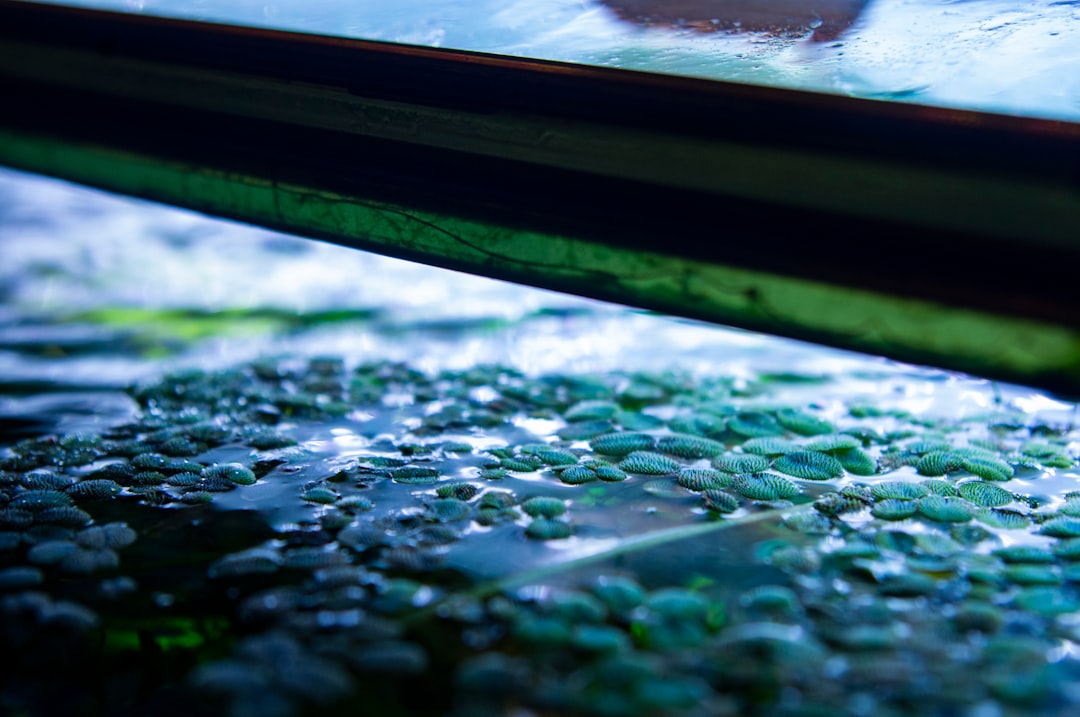
Crystal-clear glass is what separates a stunning aquarium from a murky green box. Yet many aquarists either clean their glass incorrectly — risking scratches, contamination or stressed livestock — or neglect it until visibility is seriously compromised. Knowing how to clean aquarium glass properly is a fundamental skill that takes minutes but makes an enormous visual difference.
At Gensou, we have maintained aquariums of every size for over 20 years, and glass cleaning is part of every service visit. This guide covers the safest and most effective methods for inside cleaning, outside cleaning, stubborn hard water stain removal, and the critical differences between glass and acrylic tanks.
Cleaning Inside the Glass
The inside of your aquarium glass accumulates algae — green spot algae, green dust algae, brown diatoms and sometimes stubborn green beard algae. Each requires a slightly different approach, but the tools are largely the same.
Magnetic Algae Cleaners
A magnetic cleaner consists of two halves: one inside the tank with a scrubbing pad, one outside that you grip. Moving the outside magnet drags the inside half across the glass, removing algae without getting your hands wet.
- Choose the correct strength for your glass thickness. A magnet rated for 6 mm glass will not grip well on 10 mm glass, and vice versa.
- Before each use, check that no sand or gravel is trapped in the scrubbing pad. A single grain of sand caught between the pad and the glass will leave a permanent scratch as you drag it across.
- Magnetic cleaners are ideal for routine maintenance — quick, convenient, and effective against soft algae like diatoms and green dust algae.
Algae Scrapers
Handheld scrapers with a long handle and a replaceable blade or pad offer more scrubbing power than magnetic cleaners. They are particularly useful for reaching corners and edges where magnetic cleaners struggle. Use a plastic blade for routine algae and switch to a metal blade for tougher buildup — but only on glass tanks, never acrylic.
Razor Blades for Stubborn Algae
Green spot algae (Coleochaete) forms hard, circular dots that resist magnetic cleaners and standard scrapers. A razor blade held at a 45-degree angle to the glass and drawn firmly across the surface removes green spot algae effectively. Use a proper razor blade holder for safety and control.
- Only use razor blades on glass — never on acrylic.
- Keep the blade flat against the glass to avoid gouging.
- Replace the blade when it becomes dull. A dull blade requires more pressure and is more likely to slip.
Cleaning Outside the Glass
The outside of the glass collects fingerprints, dust, water splashes and salt creep (in brackish or marine setups). Cleaning the outside is straightforward but comes with one critical rule:
Never use commercial glass cleaners (such as Windex) on the inside of the aquarium. These products contain ammonia, surfactants and other chemicals that are toxic to fish and invertebrates. They are perfectly safe for the outside of the glass, however.
- Spray the cleaner onto a microfibre cloth, not directly onto the glass. This prevents overspray from dripping into the tank through any gaps in the lid.
- A damp microfibre cloth alone handles most fingerprints and dust without any cleaning product.
- For a streak-free finish, follow up with a dry microfibre cloth.
Removing Hard Water Stains
Hard water stains — those white, crusty mineral deposits along the waterline and on the lid — are a common nuisance. Singapore’s PUB tap water has a moderate mineral content (GH 2-4, KH 1-3), so mineral buildup tends to be less severe than in many other countries. However, evaporation concentrates minerals at the waterline, and stains accumulate over months.
Vinegar
White vinegar (diluted acetic acid) dissolves calcium carbonate deposits effectively. Soak a cloth or paper towel in undiluted white vinegar and press it against the stain for 10-15 minutes. The deposit softens and can then be wiped or scraped away. For stubborn stains, repeat the process.
If cleaning stains on an empty tank or above the waterline, vinegar is perfectly safe. If working near the water surface on a filled tank, use vinegar sparingly and avoid letting it drip into the aquarium — while small amounts are not acutely toxic, vinegar lowers pH and is best kept out of the water.
Lemon Juice
Fresh lemon juice works similarly to vinegar. It is slightly less effective on heavy deposits but smells considerably better. Apply the same way — soak, wait, wipe.
Commercial Calcium Removers
Products such as Seachem Acid Buffer (used externally) or dedicated aquarium-safe lime removers can tackle deposits that vinegar cannot shift. Always check that the product is labelled safe for aquarium use before applying it anywhere near a filled tank.
Razor Blade
On glass tanks, a razor blade at a shallow angle removes even the most stubborn mineral crust. Combine with vinegar to soften the deposit first, then scrape. This is the most effective method for old, heavily calcified stains.
Preventing Stains and Buildup
Prevention is always easier than removal. A few simple habits dramatically reduce mineral buildup:
- Wipe the splash zone weekly. After each water change, run a damp cloth along the top edge of the glass and any areas above the waterline. Removing deposits before they harden takes seconds.
- Use a lid or cover. A glass lid reduces evaporation and prevents water from splashing onto the rim. It also reduces top-off frequency, which in turn reduces mineral concentration at the waterline.
- Top off with treated water. When replacing evaporated water, use dechlorinated tap water or, if you keep sensitive species, RO water. Topping off with untreated water adds more minerals each time.
Acrylic vs Glass: Different Tools Required
Acrylic aquariums are lighter and offer better clarity than glass, but they scratch far more easily. The cleaning approach must be adjusted accordingly.
| Method | Glass Tank | Acrylic Tank |
|---|---|---|
| Magnetic cleaner | Standard pads | Acrylic-safe pads only |
| Razor blade | Safe and effective | Never use — will scratch |
| Metal scraper | Safe for stubborn algae | Never use — will scratch |
| Plastic scraper | Safe for routine cleaning | Safe — use plastic or credit card |
| Scrub pad | Non-abrasive or standard | Non-abrasive only (no green Scotch-Brite) |
The golden rule for acrylic: if in doubt, use the softest tool available. A scratch on an acrylic tank is permanent (or requires polishing to remove, which is laborious). Always check your magnetic cleaner for trapped grit before use — this is important for glass but absolutely critical for acrylic.
How Often to Clean
The ideal frequency depends on your tank’s algae growth rate, which is influenced by lighting, nutrients, CO2 and stocking levels.
- Inside glass — Once or twice a week for most tanks. Clean the glass before your water change so that dislodged algae gets removed with the old water.
- Outside glass — As needed, typically once a week or when fingerprints and dust become visible.
- Hard water stains — Address monthly, or whenever deposits begin to form. The longer you wait, the harder they are to remove.
For more on managing algae growth at the source, see our comprehensive algae guide.
Frequently Asked Questions
Can I use a kitchen sponge to clean aquarium glass?
Only if it is brand new and has never been exposed to soap, detergent or any cleaning chemicals. Even trace residues of household cleaners can be lethal to fish and invertebrates. The abrasive side of a kitchen sponge (typically green) can also scratch acrylic. Dedicated aquarium cleaning tools are inexpensive and far safer.
My magnetic cleaner keeps falling off. What should I do?
This usually means the magnet is too weak for your glass thickness. Check the manufacturer’s specifications — most magnetic cleaners are rated for specific glass thicknesses (for example, up to 6 mm, 10 mm or 15 mm). Upgrade to a stronger magnet if needed. Also ensure the inner pad is not excessively worn, as a thinner pad increases the gap between the magnets.
Is it safe to use a razor blade on tempered glass?
Yes, a razor blade is safe on tempered glass when used correctly — held flat at a shallow angle. However, avoid using a chipped or damaged blade. Note that some aquarium manufacturers use tempered glass only on the base panel; the side panels are typically standard float glass. Check your tank’s specifications if unsure.
How do I clean the glass behind hardscape and equipment?
Thin, flexible algae scrapers can reach behind heaters, filter pipes and hardscape. For tight spots, a small piece of filter sponge held with long tweezers works well. Some aquarists use old credit cards or gift cards as scrapers in tight spaces — they are thin, rigid enough to remove algae, and safe for both glass and acrylic.
Clean glass transforms the appearance of any aquarium. If you need cleaning tools, advice on persistent algae problems, or a professional maintenance service, visit us at Gensou, 5 Everton Park. We stock a full range of magnetic cleaners, scrapers and aquascaping tools for both glass and acrylic tanks.
Related Reading



