Best Community Tank Fish: 20 Species That Live Together Peacefully
Best Community Tank Fish: 20 Species That Live Together Peacefully
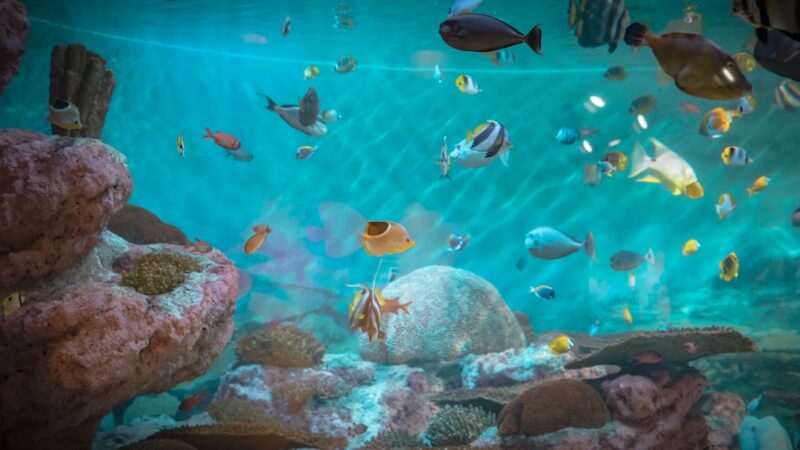
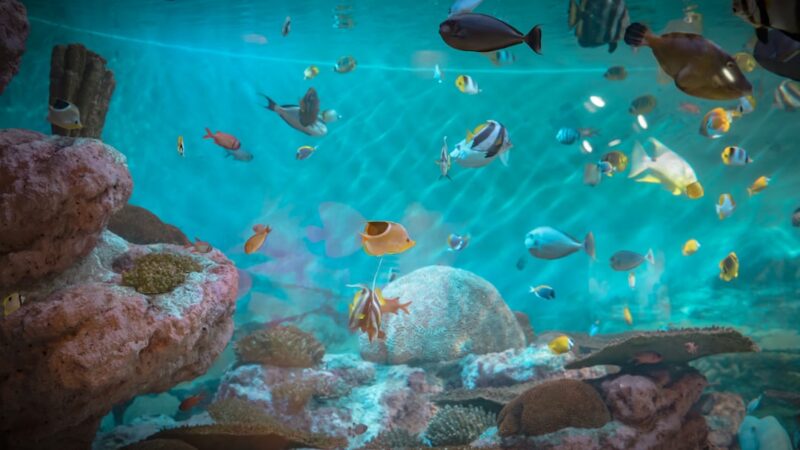
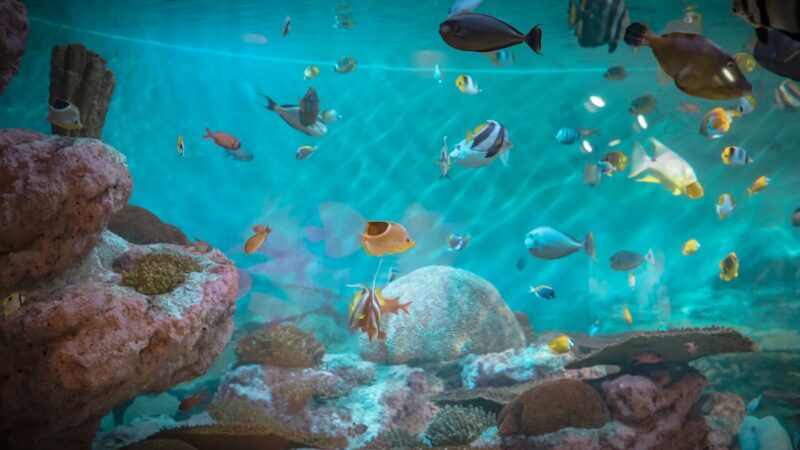
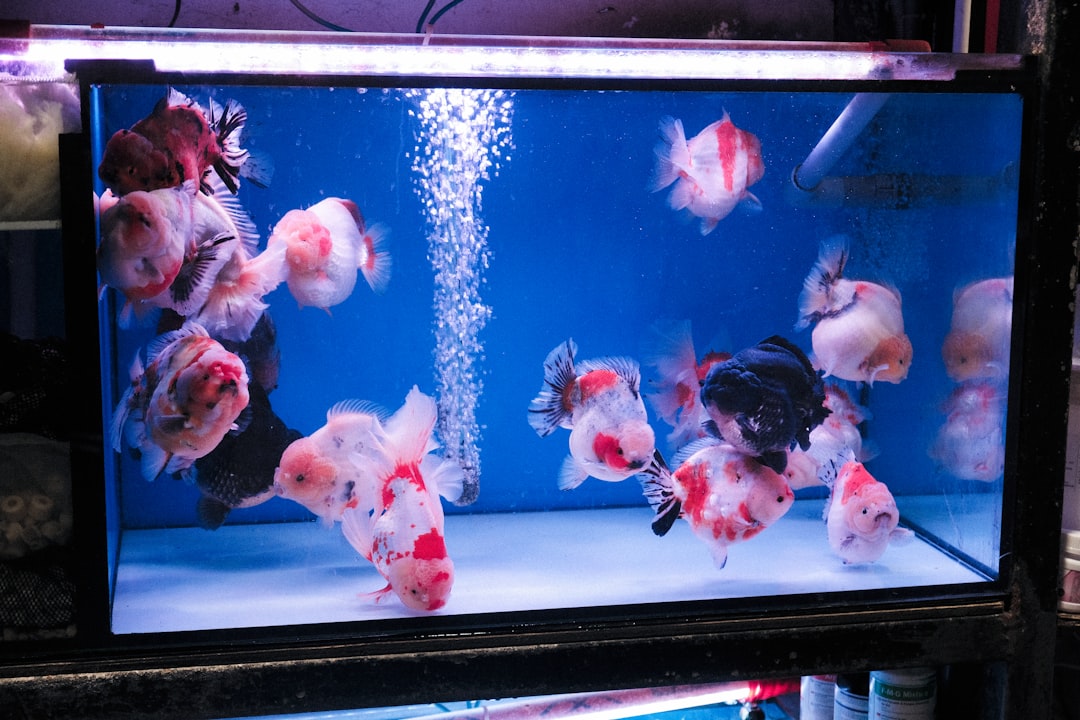
A well-stocked community tank is one of the most rewarding sights in the hobby — multiple species coexisting peacefully, each occupying its own niche, creating a living ecosystem in your home. The key is choosing species that are genuinely compatible in temperament, size, water parameters and activity level. This guide sits inside our broader Freshwater Aquarium Complete Beginner Hub reference.
This guide covers 20 of the best community tank fish, organised by the tank level they primarily occupy. All of these species are readily available in Singapore, thrive in our warm water temperatures (28-32 degrees Celsius), and are suitable for beginners and experienced aquarists alike.
Top-Dwelling Species
1. Marbled Hatchetfish (Carnegiella strigata)
Hatchetfish are the quintessential surface dwellers. They have a distinctive deep-bodied, hatchet-shaped profile and spend nearly all their time at the water’s surface. They are peaceful schooling fish that add activity to the top level of the tank, which is often neglected. Keep in groups of 6 or more. Note: they are skilled jumpers — a lid or mesh cover is essential, especially on rimless tanks.
2. Endler’s Livebearer (Poecilia wingei)
Endlers are smaller and more colourful than common guppies. Males display brilliant metallic greens, oranges and blacks. They are hardy, peaceful and breed readily — sometimes too readily. If you do not want a population explosion, keep only males. They occupy the upper to mid levels and are very active swimmers.
3. Guppy (Poecilia reticulata)
The classic beginner fish. Guppies are colourful, hardy, peaceful and widely available in dozens of colour varieties. Like endlers, they breed prolifically, so consider an all-male tank for population control. They tolerate a wide range of water parameters and do well in Singapore’s warm, slightly alkaline tap water.
Mid-Level Species
4. Neon Tetra (Paracheirodon innesi)
The iconic neon blue and red stripe makes this one of the most recognisable aquarium fish in the world. Neons are peaceful, inexpensive and look stunning in large schools. Keep at least 8-10 for the best visual effect. They prefer slightly cooler water (22-26 degrees Celsius), so in Singapore’s heat, ensure your tank does not exceed 30 degrees Celsius consistently.
5. Cardinal Tetra (Paracheirodon axelrodi)
Similar to neon tetras but with the red stripe extending the full length of the body. Cardinals are slightly more expensive and slightly more sensitive, but many aquarists prefer them for the deeper colouration. They handle Singapore’s temperatures slightly better than neons, tolerating up to 28-29 degrees Celsius comfortably.
6. Ember Tetra (Hyphessobrycon amandae)
Tiny (about 2 cm) and glowing orange-red, ember tetras are perfect for nano and planted tanks. Their small size means they have very low bioload, allowing you to keep larger schools in smaller tanks. A group of 12-15 embers in a planted 60-litre tank is a stunning sight.
7. Rummy Nose Tetra (Hemigrammus rhodostomus)
Rummy nose tetras are prized for their tight schooling behaviour — they swim in coordinated formations more than almost any other tetra. Their bright red nose is also an indicator of water quality; pale noses suggest stress or poor conditions. Keep in groups of 8 or more in tanks of 90 litres and above.
8. Harlequin Rasbora (Trigonostigma heteromorpha)
A Southeast Asian native, the harlequin rasbora is perfectly suited to Singapore’s water. The distinctive black triangular patch on a copper-orange body makes them easily identifiable. Hardy, peaceful and school beautifully. An excellent choice for beginners.
9. Chili Rasbora (Boraras brigittae)
One of the smallest aquarium fish at just 1.5-2 cm. Chili rasboras are deep red with a dark lateral stripe. They are ideal for nano tanks and heavily planted setups where their tiny size and vivid colour can be appreciated up close. Keep in groups of 10 or more.
10. Honey Gourami (Trichogaster chuna)
The honey gourami is one of the best centrepiece fish for small to medium community tanks. Males display a rich golden-orange colour, especially when in breeding condition. They are peaceful, slow-moving and undemanding. A single male or a pair works well in tanks from 40 litres upward. Far less aggressive than other gourami species.
11. Pearl Gourami (Trichopodus leeri)
Larger than the honey gourami (up to 12 cm), the pearl gourami is adorned with a stunning pattern of white spots on a brown-silver body. They are gentle giants — peaceful despite their size. A pair makes an excellent centrepiece for tanks of 120 litres and above. They appreciate floating plants for cover.
Bottom-Dwelling Species
12. Bronze Corydoras (Corydoras aeneus)
The most common and hardiest corydoras species. These armoured catfish are social, active and endlessly entertaining as they shuffle across the substrate in groups. Keep at least 6. They prefer sand or fine gravel substrate — coarse gravel can damage their barbels.
13. Pygmy Corydoras (Corydoras pygmaeus)
At just 2-3 cm, pygmy cories are perfect for nano and small tanks. Unlike larger corydoras that stay on the bottom, pygmy cories often hover in the mid-water column in loose schools. Keep 8 or more for natural behaviour.
14. Sterbai Corydoras (Corydoras sterbai)
One of the best corydoras for Singapore because they tolerate higher temperatures (up to 28-30 degrees Celsius) better than many other species. Their spotted pattern and orange pectoral fins make them visually attractive. Keep in groups of 6 or more.
15. Kuhli Loach (Pangio kuhlii)
These eel-shaped loaches are nocturnal and spend the day hiding among plants, driftwood and rocks. At night they become active, wriggling across the substrate in search of food. They are peaceful, fascinating to watch and native to Southeast Asia. Keep at least 4-5 and provide plenty of hiding spots.
16. Otocinclus (Otocinclus vittatus)
The best algae-eating fish for planted tanks. Otos are tiny (3-4 cm), peaceful and incredibly efficient at grazing on soft algae, especially diatoms (brown algae). They are sensitive to poor water quality, so only add them to established, cycled tanks. Keep in groups of 4-6.
17. Bristlenose Pleco (Ancistrus sp.)
Unlike the common pleco (which grows to 40+ cm), the bristlenose stays at a manageable 12-15 cm. They are excellent algae eaters, peaceful and relatively undemanding. One bristlenose is sufficient for most tanks up to 200 litres. They appreciate driftwood, which they rasp for fibre.
Invertebrates
18. Amano Shrimp (Caridina multidentata)
The best algae-eating shrimp. Amano shrimp are larger than cherry shrimp (4-5 cm) and tireless consumers of hair algae, thread algae and other soft algae types. They are transparent with a line of dots along their sides. Keep 5-10 per 60 litres for effective algae control. They are safe with all peaceful fish.
19. Cherry Shrimp (Neocaridina davidi)
Available in red, orange, yellow, blue and other colour varieties, cherry shrimp are hardy, breed readily in aquarium conditions and add colour and activity to planted tanks. They are excellent scavengers and will graze on biofilm and algae constantly. Safe with small, peaceful fish — avoid keeping with larger fish that may eat them.
20. Nerite Snail (Neritina sp.)
Nerite snails are the best snail for algae control. They eat virtually all types of algae, including the stubborn green spot algae that other grazers ignore. They do not reproduce in freshwater (their larvae need brackish water), so you will not face a snail population explosion. One or two per 30-40 litres is sufficient.
Comparison Table
| Species | Adult Size | Temperature Range | Min. Group | Difficulty | SG Suitability |
|---|---|---|---|---|---|
| Marbled Hatchetfish | 3.5 cm | 24-28 C | 6 | Moderate | Good (needs lid) |
| Endler’s Livebearer | 2.5-3 cm | 24-30 C | 3 | Easy | Excellent |
| Guppy | 3-5 cm | 22-30 C | 3 | Easy | Excellent |
| Neon Tetra | 3 cm | 22-26 C | 8 | Easy | Fair (heat sensitive) |
| Cardinal Tetra | 3.5 cm | 24-29 C | 8 | Easy | Good |
| Ember Tetra | 2 cm | 24-29 C | 8 | Easy | Good |
| Rummy Nose Tetra | 5 cm | 24-28 C | 8 | Moderate | Good |
| Harlequin Rasbora | 4 cm | 23-28 C | 6 | Easy | Excellent |
| Chili Rasbora | 1.5-2 cm | 24-28 C | 10 | Moderate | Good |
| Honey Gourami | 5 cm | 24-28 C | 1 | Easy | Good |
| Pearl Gourami | 12 cm | 24-28 C | 1 (or pair) | Easy | Good |
| Bronze Corydoras | 6-7 cm | 22-28 C | 6 | Easy | Good |
| Pygmy Corydoras | 2-3 cm | 22-26 C | 8 | Moderate | Fair (heat sensitive) |
| Sterbai Corydoras | 6-7 cm | 24-30 C | 6 | Easy | Excellent |
| Kuhli Loach | 8-10 cm | 24-30 C | 4 | Easy | Excellent |
| Otocinclus | 3-4 cm | 22-28 C | 4 | Moderate | Good |
| Bristlenose Pleco | 12-15 cm | 22-28 C | 1 | Easy | Good |
| Amano Shrimp | 4-5 cm | 22-28 C | 5 | Easy | Good |
| Cherry Shrimp | 2-3 cm | 22-28 C | 5 | Easy | Good |
| Nerite Snail | 2-3 cm | 22-30 C | 1 | Easy | Excellent |
Stocking Combos by Tank Size
60-Litre Tank (2-Foot)
- 10 ember tetras + 6 sterbai corydoras + 1 honey gourami + 5 cherry shrimp + 2 nerite snails
- 8 harlequin rasboras + 5 kuhli loaches + 5 amano shrimp
120-Litre Tank (3-Foot)
- 12 cardinal tetras + 8 sterbai corydoras + 1 pair pearl gourami + 5 amano shrimp + 2 nerite snails
- 10 rummy nose tetras + 8 ember tetras + 6 kuhli loaches + 4 otocinclus + 10 cherry shrimp
200-Litre Tank (4-Foot)
- 20 cardinal tetras + 6 hatchetfish + 10 sterbai corydoras + 1 pair pearl gourami + 1 bristlenose pleco + 10 amano shrimp
- 15 rummy nose tetras + 12 ember tetras + 8 corydoras + 6 kuhli loaches + 4 otocinclus + 20 cherry shrimp
For detailed stocking calculations, refer to our aquarium stocking guide.
Frequently Asked Questions
Can I mix all 20 species in one tank?
Not practically. Even a large tank has bioload limits, and some of these species have slightly different parameter preferences. Choose species from each level (top, mid, bottom, invertebrate) that share similar water requirements. The stocking combos above are designed to work well together.
Which species are best for a beginner?
Guppies, endlers, harlequin rasboras, sterbai corydoras, cherry shrimp and nerite snails are all extremely hardy and forgiving of beginner mistakes. Start with these and add more sensitive species (otocinclus, hatchetfish, chili rasboras) once you are comfortable with maintenance routines.
Will my fish eat my shrimp?
Adult amano shrimp are too large for most community fish to eat. Adult cherry shrimp are generally safe with small, peaceful fish like tetras and rasboras, but baby shrimp will be eaten by almost anything with a mouth. If you want a thriving shrimp colony, provide dense plant cover (especially mosses) where young shrimp can hide.
Some of these species prefer cooler water. How do I keep them in Singapore?
Species listed as “fair” for SG suitability (neon tetras, pygmy corydoras) can struggle in tanks that consistently exceed 30 degrees Celsius. Use a clip-on fan to reduce water temperature by 2-3 degrees through evaporative cooling. Position the tank away from direct sunlight and in an air-conditioned room if possible. For the most reliable results, choose species rated “excellent” or “good” for Singapore.
Looking for the perfect community tank setup? Visit Gensou at 5 Everton Park to see these species in person, or explore our custom aquarium design services for a professionally planned tank tailored to your space.
Related Reading