
Pygmy Corydoras Care Guide: The Tiniest Catfish for Nano Tanks
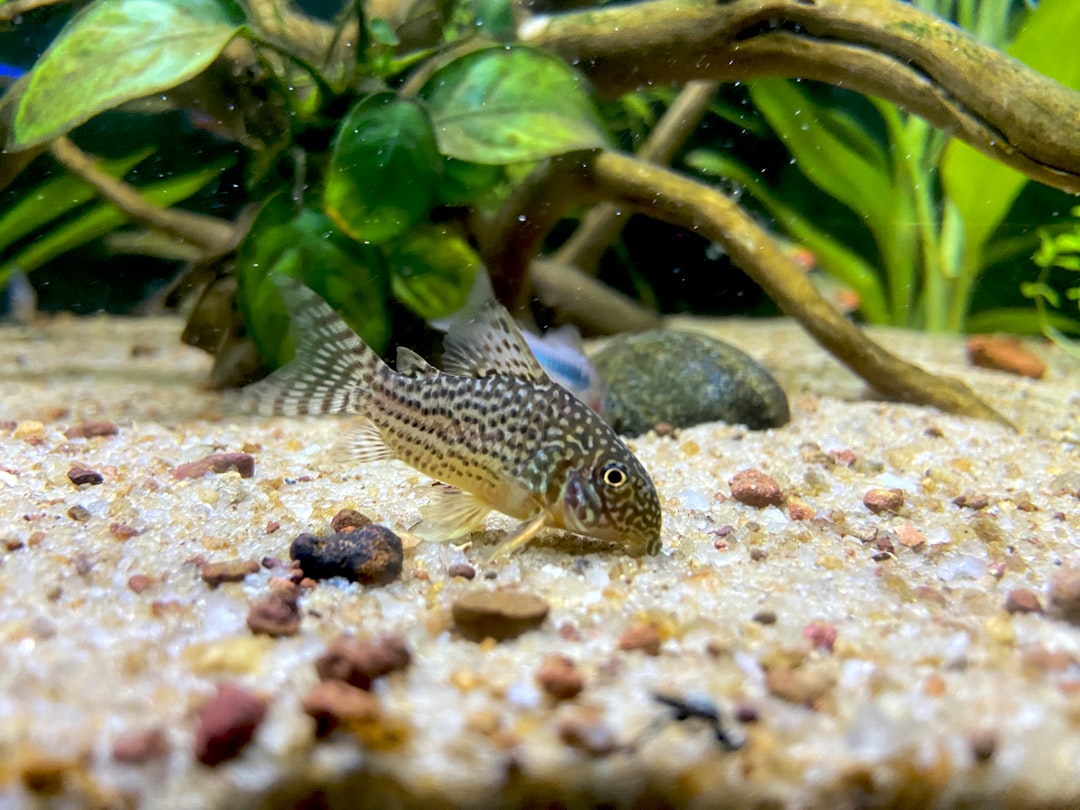
Pygmy Corydoras Care Guide: The Tiniest Catfish for Nano Tanks
The corydoras genus includes some truly tiny species that break the mould in surprising ways. The pygmy corydoras and its close relatives are among the smallest catfish in the hobby, with behaviour remarkably different from their larger cousins. This pygmy corydoras care guide covers the three species sold as “pygmy corys” in Singapore, their unique mid-water habit, and how to keep them thriving. This guide sits inside our broader Freshwater Aquarium Complete Beginner Hub reference.
Table of Contents
- Three “Pygmy” Species Compared
- Species Comparison Table
- Unique Behaviour: Mid-Water Swimmers
- Tank Setup for Nano Tanks
- Water Parameters
- Feeding Micro Foods
- Tank Mates
- Breeding
- Frequently Asked Questions
Three “Pygmy” Species Compared
The term “pygmy corydoras” is used loosely in the hobby to refer to three distinct species. While all are small, they differ in appearance, behaviour, and even where they spend their time in the tank.
Corydoras pygmaeus (True Pygmy Corydoras)
The most commonly available of the three. Adults reach just 2-2.5 cm, with a bold black lateral line from snout to tail against a silver-grey body. Unusually, C. pygmaeus spends significant time hovering in mid-water rather than sitting on the substrate.
Corydoras hastatus (Tail-Spot Pygmy Corydoras)
At just 2-2.5 cm, C. hastatus is predominantly a mid-water swimmer that rarely ventures to the bottom. Its distinguishing mark is a prominent black tail spot with a white border. It resembles a small tetra more than a catfish, forming hovering schools in open water.
Corydoras habrosus (Salt and Pepper Corydoras)
Slightly larger than the other two at 2.5-3 cm, C. habrosus is also the most “traditional” in behaviour. It spends most of its time on the substrate, foraging in classic corydoras fashion. Its colouration is a mottled pattern of dark and light patches, giving it the “salt and pepper” common name. Of the three, this species is the most robust and arguably the easiest to keep.
Species Comparison Table
| Feature | C. pygmaeus | C. hastatus | C. habrosus |
|---|---|---|---|
| Common name | Pygmy cory | Tail-spot pygmy cory | Salt and pepper cory |
| Adult size | 2-2.5 cm | 2-2.5 cm | 2.5-3 cm |
| Primary position | Mid-water and bottom | Mid-water | Bottom |
| Markings | Black lateral stripe | Black tail spot | Mottled pattern |
| Difficulty | Easy-moderate | Moderate | Easy |
| Min. group size | 10+ | 10+ | 8+ |
| Temperature | 22-28 °C | 22-28 °C | 22-28 °C |
| Availability in SG | Common | Less common | Common |
Unique Behaviour: Mid-Water Swimmers
If you expect pygmy corys to sit on the bottom like their larger relatives, you may be puzzled when your school hangs suspended in the water column. This mid-water hovering is perfectly normal and genuinely captivating — 15-20 fish suspended in a planted tank, occasionally darting forward together.
They do visit the substrate to forage, and rest on broad leaves throughout the tank. But unlike a standard corydoras catfish, think of pygmy corys as occupying the full water column.
Tank Setup for Nano Tanks
A group of 10-12 can thrive in a tank as small as 30-40 litres, ideal for desktop setups in HDB flats. A 50-60 litre tank gives more room for aquascaping and additional tank mates.
Substrate
Sand is the gold standard — delicate barbels can be damaged by sharp gravel. Fine aquasoil also works and supports plant growth.
Plants and Hardscape
Dense planting suits pygmy corydoras well; they use leaves as resting spots. Java fern, anubias, bucephalandra, and mosses work perfectly. Floating plants reduce stress.
Filtration
Gentle filtration is important. A sponge filter is ideal: it provides biological filtration, gentle flow, and a biofilm surface for grazing. Small HOB filters with adjustable flow also work.
Water Parameters
Pygmy corydoras are reasonably adaptable, though they prefer soft, slightly acidic water. Singapore’s PUB tap water, after treatment with a conditioner to neutralise chloramine, is generally suitable with minimal adjustment.
- Temperature: 22-28 °C. Singapore’s ambient temperatures of 28-32 °C are at or above the upper limit. An aquarium fan or good room ventilation is recommended, particularly during the hottest months. Air-conditioned rooms are ideal.
- pH: 6.0-7.5. Singapore tap water at around 7.0 is fine.
- GH: 2-10 dGH. Our tap water’s moderate hardness suits them.
- Ammonia and nitrite: Must be 0 ppm. These tiny fish are sensitive to water quality issues that larger species might tolerate.
Weekly water changes of 20-30% are essential. In a nano tank, water parameters can shift quickly, so consistency is key. If you need help establishing a maintenance routine, our aquarium maintenance service covers tanks of all sizes.
Feeding Micro Foods
The tiny mouths of pygmy corydoras mean food particle size matters enormously. Standard-size pellets and flakes are too large. Suitable foods include:
- Micro pellets — Sinking micro pellets designed for small fish. Look for sizes under 1 mm.
- Crushed flakes — Finely crushed high-quality flakes work in a pinch.
- Frozen foods — Baby brine shrimp, cyclops, and daphnia are eagerly accepted and provide excellent nutrition.
- Live foods — Micro worms, vinegar eels, and freshly hatched brine shrimp nauplii. These are especially valuable for conditioning breeding groups.
- Biofilm — Pygmy corys naturally graze on biofilm growing on surfaces throughout the tank. A mature tank with established biofilm provides continuous supplementary feeding.
Feed small amounts twice daily. Watch to ensure food reaches the pygmy corys, as more assertive tank mates can easily outcompete them.
Tank Mates
Due to their diminutive size, pygmy corydoras must be housed with equally small, peaceful species. Excellent companions include:
- Cherry shrimp and other Neocaridina
- Chili rasboras and other micro rasboras
- Celestial pearl danios
- Otocinclus catfish
- Sparkling gouramis
- Endler’s livebearers
- Small snails (nerite, ramshorn)
Avoid any fish large enough to view pygmy corys as food. Even commonly kept “peaceful” community fish like angelfish, larger gouramis, and standard-size tetras can be a threat. When in doubt, if a fish can fit a pygmy cory in its mouth, it eventually will.
Breeding
Pygmy corydoras breed readily in well-maintained tanks. The female deposits tiny eggs (about 1 mm) on plant leaves and glass after the classic corydoras “T-position” embrace. Eggs hatch in 3-5 days; fry require infusoria initially, then brine shrimp nauplii.
In a densely planted nano tank, some fry survive without intervention. For better yields, remove eggs to a separate container with a drop of methylene blue. Breeding triggers include cool water changes (simulating rain) and increased live food feeding.
Frequently Asked Questions
How many pygmy corydoras should I keep?
A minimum of 10 is recommended, with 15-20 being even better. Pygmy corydoras are highly social fish that display their most natural and interesting behaviour in larger groups. A lone pygmy cory or a group of three to four will be permanently stressed and spend most of their time hiding. Invest in a proper school and you will be rewarded with confident, active fish.
Can pygmy corydoras survive Singapore temperatures without a chiller?
They can tolerate temperatures up to 28 °C, which is at the lower end of Singapore’s typical range. In an air-conditioned room, they generally do well. In an un-air-conditioned HDB flat during the hottest months, temperatures may reach 30-32 °C, which is stressful. An aquarium fan that lowers water temperature by 2-4 °C is a worthwhile investment. A full chiller is not usually necessary unless temperatures consistently exceed 30 °C.
Will pygmy corydoras eat algae?
Not meaningfully. They graze on biofilm and microorganisms on surfaces, which may include some algae incidentally, but they are not algae eaters. For algae control, look to otocinclus, nerite snails, or Amano shrimp as dedicated grazers.
Can I keep pygmy corydoras with larger corydoras species?
Yes, provided the tank is large enough. Pygmy corydoras and standard-size corydoras like bronze or peppered corys coexist peacefully. However, the pygmies occupy different areas of the tank (mid-water versus bottom), so they complement rather than compete with each other. Just ensure the pygmies are not outcompeted at feeding time by the larger, more enthusiastic eaters.
Start Your Nano School
Pygmy corydoras prove that big personality comes in small packages. A hovering school of these tiny catfish in a well-planted nano tank is one of the most charming sights in the hobby. They are sociable, interesting to watch, and relatively easy to breed, making them a rewarding choice for any hobbyist with a fondness for small fish.
Visit Gensou Aquascaping at 5 Everton Park to see pygmy corydoras in person and pick up a school for your nano setup. With over 20 years of experience, we can advise on the best species for your tank and help you create the perfect environment. Get in touch to learn more.
Related Reading
- How to Breed Pygmy Corydoras: Micro Cory Spawning in Nano Tanks
- How to Breed Pygmy Corydoras: Tiny Eggs on Glass and Leaves
- Pygmy Corydoras Tank Mates: Tiny Bottom Dwellers Need Gentle Friends
- Corydoras Habrosus Care Guide: The Salt and Pepper Micro Cory
- How to Breed Corydoras Panda: Conditioning, Spawning and Fry Care



