
Pygmy Corydoras Tank Mates: Tiny Bottom Dwellers Need Gentle Friends
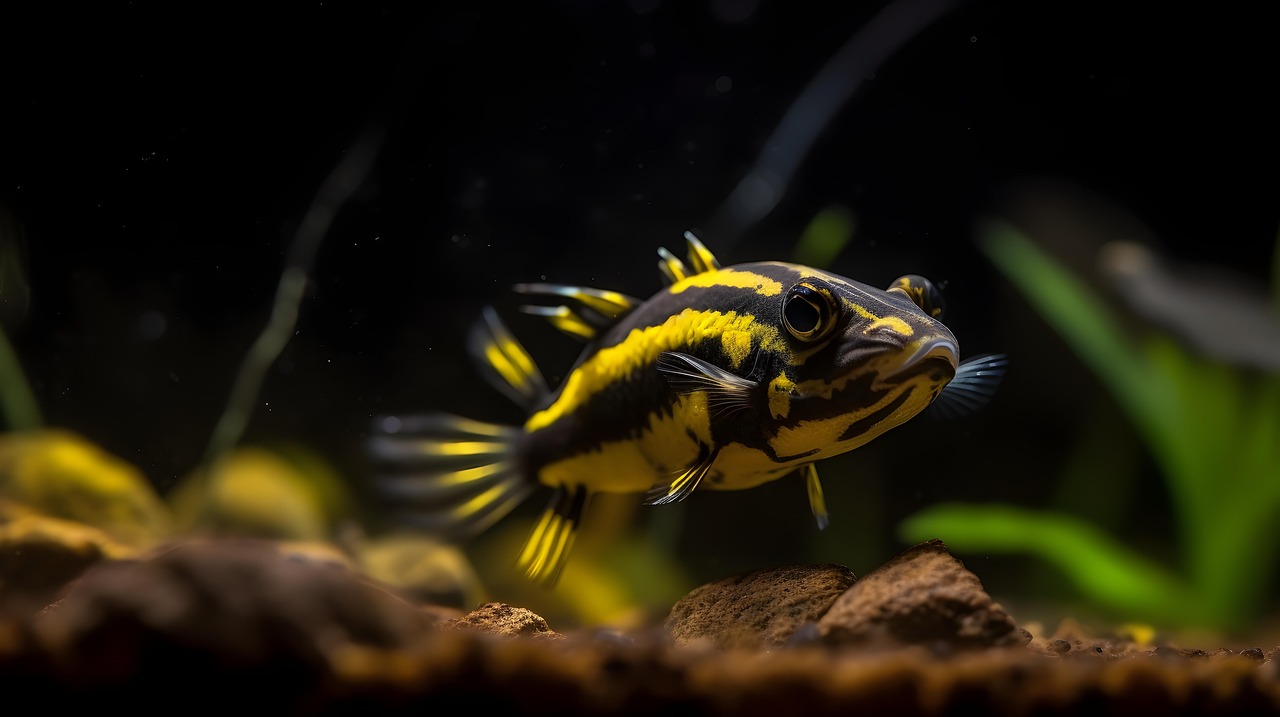
At just 2.5–3.5 cm long, pygmy corydoras are among the smallest catfish in the hobby — and their diminutive size means a poorly chosen tank mate can turn a charming nano setup into a stressful one overnight. A proper pygmy corydoras tank mates selection considers not just size but temperament, water layer, and water chemistry. This guide from Gensou Aquascaping at 5 Everton Park, Singapore covers what works, what doesn’t, and why.
Understanding Pygmy Corydoras Behaviour
Corydoras pygmaeus (the true pygmy cory) and its close lookalike Corydoras hastatus (the tail-spot pygmy cory) are both active, shoaling fish that spend time both at the bottom and swimming mid-water — unlike most corydoras that hug the substrate exclusively. They’re peaceful, social within their own group, and easily intimidated by boisterous or large fish. Keep a minimum of six, ideally ten or more, so they form a confident, active shoal rather than hiding nervously.
Water parameters should sit at pH 6.5–7.2, temperature 22–26°C, and low hardness (GH 4–8). Singapore’s PUB tap water, once dechlorinated, suits them reasonably well with minor buffering.
Nano Tetras as Natural Companions
Small, peaceful tetras are the classic pygmy cory companion. Ember tetras (Hyphessobrycon amandae) at 2 cm are a perfect match — they occupy the mid-upper water column, prefer soft acidic water, and are too small to threaten corydoras. Green neon tetras (Paracheirodon simulans) are another excellent pick, with the same size bracket and softwater preference.
Avoid standard neon tetras or cardinal tetras in the smallest tanks — at 4 cm, they’re twice the length of a pygmy cory and can become competitive at feeding time even without aggressive intent.
Celestial Pearl Danios and Chili Rasboras
Celestial pearl danios (Danio margaritatus) are ideal at 2–2.5 cm. They share a similar softwater preference and are calm enough to leave pygmy cories undisturbed. In a heavily planted 30-litre tank, a mix of eight CPDs and eight pygmy cories creates a layered display that looks genuinely spectacular.
Chili rasboras (Boraras brigittae) at 1.5–2 cm are the nano world’s most vivid schooling fish. Their intense red colouring contrasts beautifully with the silver and black patterning of pygmy cories. They prefer very soft, slightly acidic water — pH 5.5–7.0 — so check your source water before committing to this pairing.
Dwarf Shrimp: Compatible With Caution
Cherry shrimp (Neocaridina davidi) generally coexist well with pygmy cories because the corydoras spend most feeding time sifting substrate and are rarely focused on hunting mobile shrimp. Larger Caridina species like crystal reds are equally safe. The main concern is feeding time — fine-grained sinking wafers and cory-specific pellets can attract shrimp too, which is fine and even entertaining to watch. Shrimplets are theoretically at risk, but in a planted tank with plenty of cover, colonies thrive alongside pygmy cories without issue.
Small Livebearers to Avoid
Guppies and endlers may seem harmless, but males can nip at the corydoras’ delicate barbels, especially in smaller tanks. Mollies are too large and too assertive. Platies have a habit of out-competing slower feeders at mealtimes. If you want a livebearer alongside pygmy cories, endlers in a 60-litre or larger tank with dense planting are the least problematic — just keep a careful eye on feeding dynamics.
Avoiding Common Predators
Any fish larger than about 5 cm with a carnivorous streak is a risk. Dwarf pea puffers (Carinotetraodon travancoricus) will harass or kill pygmy cories. Bettas are hit-or-miss — some ignore corydoras entirely, others will nip at their fins relentlessly. Sparkling gouramis are sometimes suggested but can be territorial in small tanks. Keep them out of setups smaller than 45 litres where the corydoras have nowhere to retreat.
Setting Up a Pygmy Cory Community
Fine sand substrate is non-negotiable. Gravel and large stones damage their sensitive barbels over time, making them susceptible to infection. Layer the tank with low-growing foreground plants — Eleocharis parvula, Micranthemum monte carlo — and midground clumps of Microsorum and Anubias for cover. Aim for moderate flow, strong enough to oxygenate but not enough to push the fish around constantly.
Pygmy corydoras available in Singapore typically run $2–4 each at reputable shops near Serangoon North. Buying a group of ten at once is always the better approach — individual specimens rarely thrive in isolation, and a confident shoal is far more active and rewarding to watch.
Related Reading



