
Least Killifish Care Guide: The World’s Smallest Livebearer
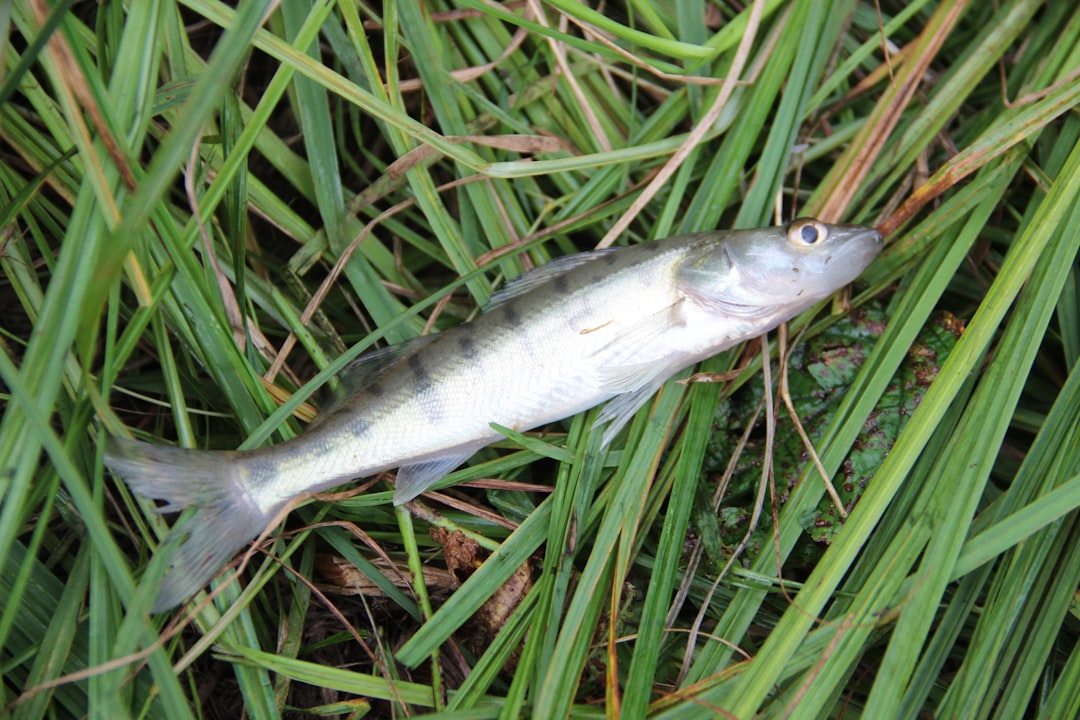
The least killifish (Heterandria formosa) holds a remarkable distinction: it is one of the world’s smallest fish, with males barely reaching 2 cm. Despite its name, it is not actually a killifish at all — it belongs to the livebearer family, more closely related to guppies and mollies than to true killifish. What makes it truly special is its unique reproductive strategy, called superfetation, where females carry multiple broods at different stages of development simultaneously, releasing just one to three tiny fry at a time.
This least killifish care guide covers everything from tank setup and water parameters to breeding, feeding and why this diminutive fish is an excellent choice for Singapore nano tank enthusiasts.
Table of Contents
Species Overview
| Attribute | Detail |
|---|---|
| Scientific Name | Heterandria formosa |
| Common Names | Least killifish, midget livebearer, dwarf livebearer |
| Origin | Southeastern United States (Florida, Georgia, Carolinas) |
| Adult Size | Females: 2.5–3 cm; Males: 1.5–2 cm |
| Lifespan | 2–3 years |
| Temperament | Peaceful, shy |
| Diet | Omnivore; micro foods |
| Minimum Tank Size | 15 litres |
Heterandria formosa is an unassuming olive-brown fish with a dark lateral stripe and a small dark spot at the base of the dorsal fin. What it lacks in flamboyant colour, it makes up for with fascinating biology and an endearing personality. These fish are active, inquisitive and surprisingly bold once settled — hovering in the mid-water and surface layers, picking at biofilm and exploring every corner of their tank.
Not Actually a Killifish
Despite its common name, Heterandria formosa is a member of the family Poeciliidae — the livebearers. Its “killifish” label is a historical misnomer that has stuck. This distinction matters for care purposes:
- It gives birth to live young, not eggs.
- Males have a gonopodium (modified anal fin) for internal fertilisation, just like guppies.
- It does not require any special spawning medium.
- It is not annual — it lives for two to three years under good conditions.
Understanding that you are dealing with a livebearer rather than a true killifish helps you provide the right care and set appropriate expectations for breeding.
Tank Setup
The least killifish is one of the very few fish that can genuinely thrive in a nano tank as small as 15 litres. Its tiny size and low bioload make it a perfect candidate for desktop aquariums in HDB flats, condos and offices across Singapore.
Aquascaping Recommendations
- Dense planting — Java moss, Rotala, Hygrophila and fine-leaved stem plants provide cover and grazing surfaces.
- Floating plants — frogbit, Salvinia or water lettuce. These dim lighting, reduce stress and provide surface cover where fry can hide.
- Moss walls or moss-covered driftwood — excellent biofilm grazing sites and fry refuges.
- Gentle filtration — a small sponge filter is ideal. Avoid strong currents; these are not powerful swimmers.
- Substrate — any type works. Fine gravel or aquasoil suits planted setups.
The key principle is density. A bare or sparsely decorated tank will leave least killifish feeling exposed and stressed. If you need a compact planted setup designed for nano fish, our custom aquarium service can help.
Water Parameters
Heterandria formosa is remarkably adaptable. In the wild, it inhabits everything from acidic swamp water to slightly brackish ditches. This hardiness translates well to captive care in Singapore.
| Parameter | Acceptable Range | SG Notes |
|---|---|---|
| Temperature | 20–30 °C | Singapore ambient 28–32 °C is tolerated; fan cooling helps above 30 °C |
| pH | 6.0–8.0 | Very flexible; SG tap water pH is usually fine |
| GH | 5–20 dGH | Tolerates harder water than most nano fish |
| KH | 3–15 dKH | Broad tolerance |
This tolerance makes the least killifish one of the easier nano fish to keep in Singapore. PUB tap water, once treated with a conditioner that neutralises chloramine, is generally suitable without the need for RO water or extensive adjustment. Weekly water changes of 20–30% maintain good water quality in small tanks.
Feeding
Despite being omnivorous, least killifish have exceptionally small mouths. Food must be appropriately sized:
- Micro pellets — the most convenient staple; choose the smallest size available
- Crushed flake food — rubbed between fingers to create a fine powder
- Baby brine shrimp — live or frozen; eagerly accepted
- Micro worms and vinegar eels — ideal live foods for tiny mouths
- Daphnia — small strains, live or frozen
- Biofilm and aufwuchs — in a mature planted tank, least killifish spend significant time picking at surfaces
Feed small amounts twice daily. In a well-established planted tank, they will supplement their diet by grazing on naturally occurring micro-organisms throughout the day.
Breeding and Superfetation
The breeding biology of Heterandria formosa is its most fascinating feature. Unlike guppies, which drop large batches of fry at once, the least killifish practises superfetation — a reproductive strategy where the female carries multiple broods at different developmental stages simultaneously.
How Superfetation Works
- The female is fertilised internally by the male’s gonopodium.
- Rather than developing a single batch of embryos, she carries several clutches at once, each at a different stage of development.
- She releases one to three fully formed fry every few days, rather than a large batch every month.
- This continuous trickle of babies means that breeding populations grow steadily but never explosively.
Fry Survival
Least killifish are relatively gentle parents. In a densely planted tank with ample moss and floating plants, most fry survive without any intervention. The adults rarely pursue fry, especially when well-fed. Fry are tiny — around 5–7 mm at birth — but begin feeding on biofilm and micro-organisms immediately.
For maximum fry survival, provide:
- Thick clumps of Java moss
- Floating plant roots (frogbit is excellent)
- A mature tank with established biofilm
- Supplemental feeding with crushed food or liquid fry food
Over time, a colony will establish itself naturally. The slow, steady birth rate means you will not be overwhelmed with fry in the way that guppies or endlers can overrun a tank.
Tank Mates
Due to their diminutive size, tankmate selection must be careful. Any fish large enough to fit a least killifish in its mouth is a threat.
Suitable Companions
- Dwarf rasboras (Boraras species)
- Pygmy corydoras (C. pygmaeus, C. hastatus)
- Neocaridina shrimp (cherry shrimp and variants)
- Small snails (nerite, ramshorn, Malaysian trumpet)
- Clown killifish (similar size and temperament)
Avoid
- Bettas, gouramis and other predatory surface dwellers
- Any fish above 4 cm
- Active, boisterous species that outcompete for food
A species-only colony tank is the most rewarding way to keep least killifish. Watching a self-sustaining population grow in a lushly planted nano tank is a uniquely satisfying aspect of the hobby.
Common Issues
- Population control: While less explosive than guppies, a well-fed colony will grow. Rehome excess fish or start additional tanks.
- Overlooked at feeding time: In community tanks, their tiny size means they can be outcompeted. Dedicated feeding spots and slow-sinking micro foods help.
- Temperature spikes: During Singapore’s hotter months, room temperatures can exceed 32 °C. A clip-on fan or air conditioning keeps things within range.
- Sensitivity to ammonia: In very small tanks, ammonia spikes from overfeeding are the primary risk. Maintain a regular water-change schedule and avoid overstocking.
Frequently Asked Questions
How many least killifish can I keep in a nano tank?
In a well-planted 15-litre tank, a starting colony of six to eight fish (two males, four to six females) is appropriate. Their minimal bioload means a mature, filtered tank can sustain more, but start conservatively and let the colony grow naturally. A 30-litre tank comfortably houses 15–20 adults.
Will least killifish eat their own fry?
Occasionally, but far less than most livebearers. In a densely planted tank with adequate feeding, the vast majority of fry survive. The continuous trickle-birth strategy means fry appear gradually rather than as a vulnerable swarm, which also reduces predation pressure.
Can I keep least killifish outdoors in Singapore?
Yes, provided the container has shade to prevent overheating and is protected from rain overflow. An outdoor tub or container pond with floating plants and mosquito fern makes an excellent habitat. They will even help control mosquito larvae — a practical bonus in Singapore’s tropical climate.
Where can I buy least killifish in Singapore?
Least killifish are less commonly stocked than mainstream nano fish, but specialist shops and online hobbyist groups periodically have them available. Visit us at 5 Everton Park or check our online shop for availability and advice on sourcing.
Start Your Least Killifish Colony
The least killifish is a masterclass in how big things come in small packages. Its unique superfetation breeding, tiny footprint and adaptable nature make it an ideal fish for Singapore nano tank keepers — whether you are working with a desktop setup in an HDB flat or a dedicated breeding rack in a spare room.
If you are interested in setting up a nano tank for least killifish or other micro species, get in touch with our team. With over 20 years of aquascaping experience, we can help you create a setup that is both beautiful and biologically sound.
Related Reading
- How to Breed Clown Killifish: Rocket Panchax Spawning in Nano Tanks
- Clown Killifish Care Guide: The Tiny Rocket of Surface Dwellers
- How to Breed Golden Wonder Killifish: Surface Spawners in Planted Tanks
- Golden Wonder Killifish Care Guide: The Surface-Dwelling Predator
- How to Breed Norman’s Lampeye Killifish: Surface Spawners in Soft Water



