
Golden Wonder Killifish Care Guide: The Surface-Dwelling Predator
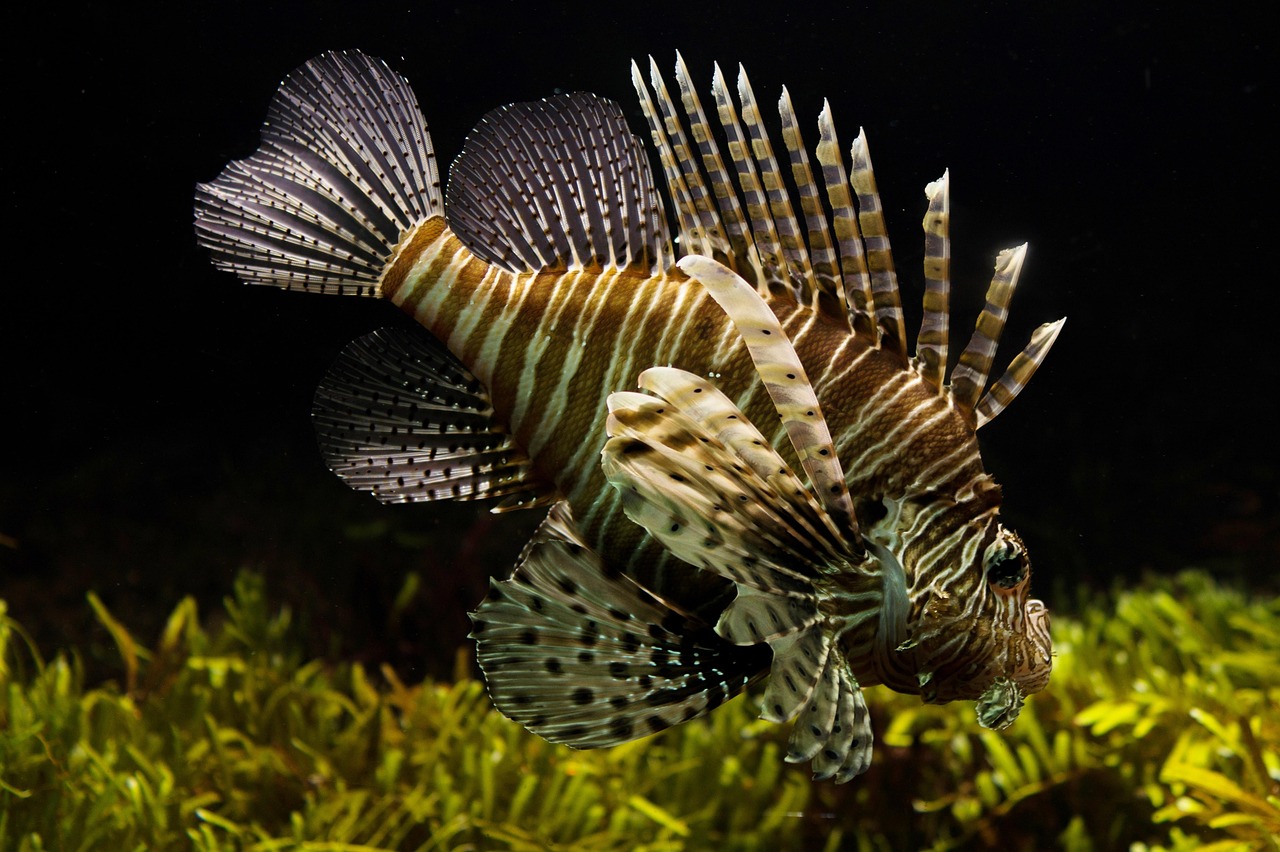
This golden wonder killifish care guide covers one of the most striking and underappreciated surface-dwelling fish in the freshwater hobby. The golden wonder killifish (Aplocheilus lineatus) is a captive-bred colour morph of the striped panchax, displaying a luminous gold body that shimmers beautifully under aquarium lighting. At Gensou Aquascaping at 5 Everton Park, we recommend this species for hobbyists seeking a unique top-dwelling centrepiece fish that brings life to an often-neglected area of the tank. This guide sits inside our broader Tropical Fish Species Master Index reference.
Species Overview
The wild striped panchax originates from freshwater streams, ponds and rice paddies across India and Sri Lanka. The golden wonder is a selectively bred variant that replaces the wild-type’s greenish body with a vibrant golden-yellow colouration, often accented with metallic blue-green scales and orange-edged fins. Adults reach 8 to 10 centimetres, making them one of the larger commonly available killifish. Unlike many killifish species that are annual and short-lived, golden wonders are non-annual fish with a lifespan of three to five years.
Tank Size and Setup
A pair or trio of golden wonder killifish requires a minimum tank volume of 80 litres, with 120 litres or more preferred for a community setup. The most critical element is a tight-fitting lid, as these fish are exceptional jumpers that will exploit even small gaps. They naturally inhabit the top few centimetres of the water column, so floating plants such as Amazon frogbit, Salvinia or red root floaters are essential. These provide shade, security and hunting cover. Below the surface, standard planting with stem plants and midground species completes the setup.
Water Parameters for Singapore
Golden wonder killifish are remarkably adaptable to a range of water conditions. They thrive at a pH of 6.0 to 7.5, a temperature of 22 to 28 degrees Celsius, and a GH of 5 to 15 dGH. Singapore’s dechlorinated tap water suits them perfectly without modification. They tolerate gentle currents but prefer calm surface waters that allow them to patrol the top of the tank efficiently. A hang-on-back filter with a moderate flow rate, or a sponge filter, provides appropriate filtration without excessive surface disturbance.
Diet and Feeding
Golden wonders are surface-feeding predators with a diet that should reflect their carnivorous nature. They eagerly consume floating pellets, but the bulk of their diet should consist of protein-rich foods such as frozen bloodworms, daphnia, brine shrimp and mosquito larvae. Live insects that land on the water surface, such as fruit flies and small crickets, trigger spectacular hunting strikes. Feed once or twice daily, offering only what they can consume within a few minutes. Their upward-facing mouth is specifically adapted for surface feeding, so sinking foods are largely ignored.
Temperament and Tankmates
Golden wonder killifish are generally peaceful towards similarly sized or larger tankmates but are confirmed predators of anything small enough to fit in their surprisingly large mouths. Neon tetras, guppy fry and small shrimp are all at risk. Suitable companions include larger tetras such as Congo tetras, medium-sized rasboras, corydoras catfish, bristlenose plecos and loaches. Avoid keeping them with other surface-dwelling species that may compete for territory. Males can be mildly aggressive towards each other, so keep one male with one or two females, or maintain a single specimen in a community.
Health and Maintenance
Golden wonders are hardy fish that rarely suffer from disease when water quality is maintained. They can occasionally develop fungal infections or ich, typically following stress from poor conditions or shipping. Their most common health risk in home aquariums is injury from jumping. Ensure every possible escape route is sealed, including filter cutouts and cable gaps. Some hobbyists use cling film or mesh to cover openings that a standard lid does not address. Regular 20 to 25 per cent weekly water changes keep these fish in optimal condition.
Breeding
Golden wonder killifish are egg scatterers that deposit adhesive eggs among floating plants or spawning mops over a period of several days. The adults will eat eggs if given the opportunity, so either collect eggs daily and hatch them separately, or provide dense floating vegetation that conceals the eggs. Eggs hatch in approximately 10 to 14 days depending on temperature. Fry are relatively large and can accept baby brine shrimp immediately. They grow quickly and begin displaying colour within a few weeks.
A Surface Star for Planted Tanks
The golden wonder killifish fills a niche that few other community fish occupy, bringing colour, activity and predatory excitement to the water surface. Its golden shimmer, engaging hunting behaviour and manageable size make it an excellent addition to medium and large planted aquariums. Pop into Gensou Aquascaping to see these surface dwellers in action and discuss the ideal community setup for your tank.
Related Reading
- How to Breed Golden Wonder Killifish: Surface Spawners in Planted Tanks
- How to Breed Clown Killifish: Rocket Panchax Spawning in Nano Tanks
- Clown Killifish Care Guide: The Tiny Rocket of Surface Dwellers
- Golden Rabbit Snail Care Guide: Sulawesi’s Slow-Moving Beauty
- Golden Ram Cichlid Care Guide: Mikrogeophagus Ramirezi Gold Morph



