
Upside Down Catfish Care Guide: The Fish That Swims Inverted
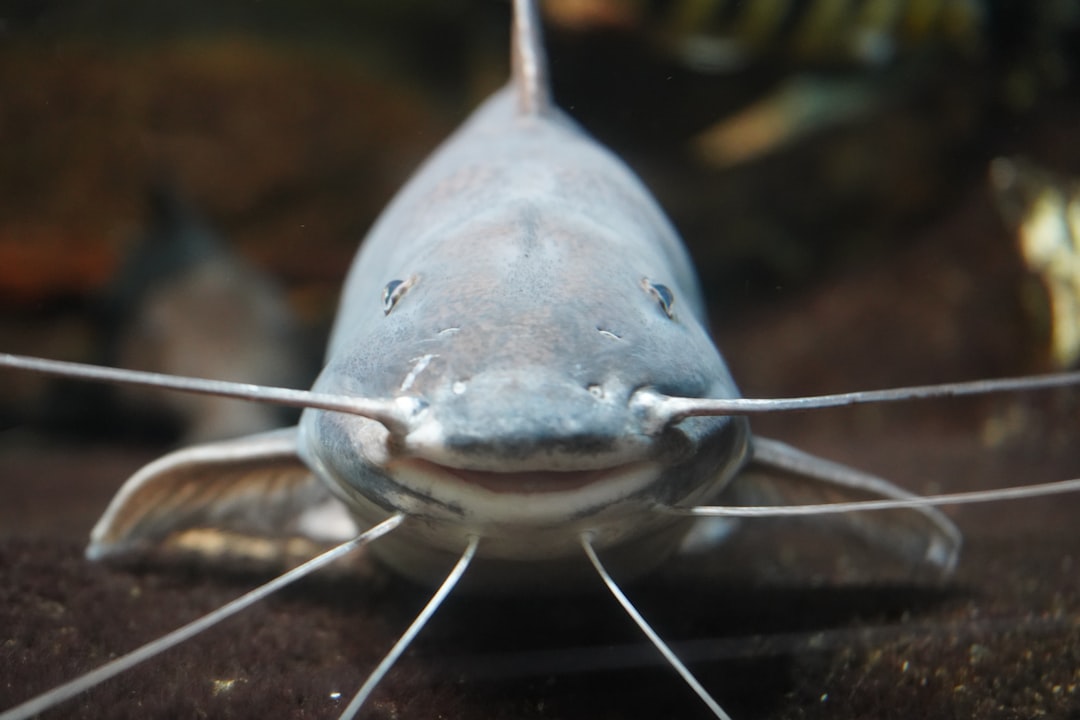
Table of Contents
Introduction
There are few fish in the freshwater hobby as immediately captivating as the upside down catfish. True to its name, this remarkable species spends a significant portion of its time swimming belly-up, a behaviour so unusual that it has fascinated aquarists and naturalists for centuries — ancient Egyptian art from over 4,000 years ago depicts this very fish in its characteristic inverted posture. This upside down catfish care guide provides everything Singapore hobbyists need to know about keeping Synodontis nigriventris healthy and thriving in a home aquarium.
Despite their unusual swimming habit, upside down catfish are hardy, personable fish that adapt well to community tanks. They are peaceful, relatively easy to care for, and endlessly entertaining to watch. For Singapore aquarists looking to add something genuinely different to their setup, the upside down catfish is an outstanding choice.
Species Overview and Origin
The upside down catfish (Synodontis nigriventris) belongs to the family Mochokidae and is native to the Congo River Basin in Central Africa. It inhabits slow-moving rivers, tributaries, and vegetated areas where overhanging branches and submerged wood provide shelter and feeding surfaces.
The species name nigriventris translates to “black belly,” which hints at an evolutionary adaptation directly related to its inverted lifestyle. Most fish have dark backs and lighter bellies (countershading) to camouflage them from predators above and below. The upside down catfish has reversed this pattern — its belly is darker than its back. When swimming upside down, this reverse countershading provides effective camouflage against the water surface.
Quick Species Profile
| Attribute | Detail |
|---|---|
| Scientific name | Synodontis nigriventris |
| Common names | Upside down catfish, blotched upside down catfish |
| Adult size | 7–10 cm (3–4 inches) |
| Lifespan | 10–15 years |
| Difficulty | Beginner to intermediate |
| Diet | Omnivore |
| Temperament | Peaceful, shy, social |
| Minimum tank size | 80 litres (20 gallons) |
It is worth noting that several other Synodontis species also swim inverted occasionally, but S. nigriventris is the species that does it most consistently and is the one most commonly sold as the “upside down catfish” in Singapore fish shops.
Tank Setup and Water Parameters
Upside down catfish are moderately sized, social fish that should be kept in groups. An 80-litre (20-gallon) tank is the minimum for a small group of three to four, but a 120-litre or larger tank is preferable if keeping them in a community setting.
Recommended Water Parameters
| Parameter | Ideal Range | Notes |
|---|---|---|
| Temperature | 24–28 °C | Singapore’s ambient temperature is ideal; no heater typically required |
| pH | 6.0–7.5 | Slightly acidic to neutral; PUB tap water may need slight buffering with driftwood |
| GH | 4–15 dGH | Tolerates a wide range of hardness |
| KH | 3–10 dKH | Moderate carbonate hardness preferred |
| Ammonia / Nitrite | 0 ppm | Fully cycle the tank before adding fish |
| Nitrate | <20 ppm | Regular water changes essential |
Aquascaping for Upside Down Catfish
The single most important element in an upside down catfish tank is ample shelter. These are naturally shy, nocturnal fish that spend daylight hours hiding under cover. Without sufficient hiding spots, they become stressed, pale, and may refuse to eat.
Essential tank furnishings include:
- Driftwood: Large pieces with hollows, overhangs, and crevices. Upside down catfish love to rest inverted on the undersides of driftwood branches.
- Caves and tunnels: Coconut shells, ceramic caves, and PVC tubes all work well. Position them to create dark, sheltered spaces.
- Broad-leaved plants: Anubias, Echinodorus, and Cryptocoryne provide natural canopy cover. Upside down catfish often rest on the undersides of large leaves.
- Floating plants: Salvinia, Amazon frogbit, or Riccia dim the light and make the fish feel secure enough to venture out during the day.
A dimly lit tank with plenty of structure encourages the most natural behaviour and allows you to observe their inverted swimming more frequently. Under bright lighting with no cover, these catfish will simply hide all day.
Substrate
Fine sand is the best substrate choice. Upside down catfish occasionally forage along the bottom in a normal orientation, and smooth sand prevents injury to their sensitive barbels. Avoid sharp gravel or substrates with rough edges.
Feeding and Diet
In the wild, upside down catfish feed primarily on insects and insect larvae from the water’s surface — which is the evolutionary driver behind their inverted swimming posture. They also graze on algae, biofilm, and organic debris from the undersides of submerged objects.
Recommended Foods
- Staple: High-quality sinking pellets or catfish wafers
- Frozen: Bloodworms, brine shrimp, daphnia, tubifex
- Live: Blackworms, brine shrimp, insect larvae (an excellent treat)
- Vegetable matter: Blanched zucchini, cucumber, spirulina wafers
- Surface foods: Floating flakes or pellets — they will feed from the surface in their inverted position, which is fascinating to watch
Feeding Tips
Upside down catfish are primarily nocturnal feeders. If you notice them not eating during the day, try feeding just before lights-out or after the tank lights have been off for 30 minutes. In a community tank, ensure that sinking foods reach the bottom before more aggressive daytime feeders consume everything.
Offering a mix of floating and sinking foods is ideal — floating foods encourage the natural inverted surface-feeding behaviour, while sinking foods ensure nutrition reaches them during nighttime foraging along the bottom.
Behaviour and the Inverted Swimming Mystery
The inverted swimming behaviour of Synodontis nigriventris is one of the most fascinating adaptations in the freshwater fish world. While many fish swim upside down briefly when feeding or exploring, the upside down catfish adopts this posture as its default orientation for a significant portion of its active time.
Why Do They Swim Upside Down?
The behaviour is believed to have evolved for several interconnected reasons:
- Surface feeding: Swimming inverted allows them to feed on insect larvae, algae, and biofilm from the underside of the water surface, submerged wood, and leaves — food sources that right-side-up fish cannot access as efficiently.
- Predator avoidance: Their reversed countershading (dark belly, lighter back) provides camouflage when viewed from below against a bright water surface.
- Niche exploitation: By occupying an ecological niche that few other fish can access, they reduce competition for food.
Daily Activity Patterns
During the day, upside down catfish typically rest in hiding spots — often inverted on the underside of driftwood, leaves, or cave ceilings. As evening approaches, they become increasingly active, emerging to forage throughout the tank. In a dimly lit setup with floating plants, they may be active and visible throughout the day.
These are social fish that should be kept in groups of at least three, with five or more being ideal. In groups, they exhibit more confidence, emerge from hiding more often, and display a wider range of natural behaviours. Solitary specimens tend to be extremely shy and may rarely be seen.
Suitable Tank Mates
Upside down catfish are peaceful community fish that coexist well with a wide range of species. Their nocturnal habits mean they rarely interact with diurnal tank mates.
Excellent Tank Mates
- Tetras: Congo tetras (a geographic match), cardinal tetras, rummy-nose tetras
- Rasboras: Harlequin, lambchop, or larger rasbora species
- Dwarf cichlids: Kribensis, apistogramma species (avoid during breeding)
- Corydoras: Different feeding times reduce competition
- Gouramis: Pearl gouramis, honey gouramis
- Bristlenose plecos: Peaceful bottom dwellers that mind their own business
- African butterfly fish: A fascinating surface dweller that pairs thematically with the upside down catfish
Tank Mates to Avoid
- Large, aggressive cichlids (Oscars, Jack Dempseys)
- Very small fish or shrimp that might be consumed at night (adult upside down catfish may eat cherry shrimp)
- Overly territorial fish that would deny them access to hiding spots
- Other large Synodontis species that might compete or show aggression
Breeding Upside Down Catfish
Breeding upside down catfish in captivity is uncommon but has been achieved. It requires specific conditions and patience.
Sexing
Sexing upside down catfish is not straightforward. Females are generally larger and rounder when viewed from above, particularly when full of eggs. Males tend to be slimmer and slightly smaller. However, these differences are subtle and not always reliable.
Breeding Conditions
Successful spawning reports typically involve:
- A well-established group of at least six adults in a spacious tank
- A significant water change (30–50%) with slightly cooler water to simulate the rainy season — in Singapore, you can use slightly cooler dechlorinated water
- Abundant hiding spots, particularly caves and overhanging surfaces
- High-quality diet with frequent live or frozen food for conditioning
Spawning and Fry
Upside down catfish are believed to be cave spawners. The female deposits eggs on the ceiling of a cave or the underside of a flat surface, and both parents may guard the area. Eggs hatch in approximately 4–5 days. Fry are tiny and require infusoria or liquid fry food initially, graduating to baby brine shrimp after one to two weeks.
Interestingly, juvenile upside down catfish do not begin swimming inverted immediately. The behaviour develops gradually as they mature, typically becoming consistent at around 7–8 weeks of age.
Common Issues and Health
Upside down catfish are generally hardy when kept in appropriate conditions, but they are susceptible to several common ailments.
- Ich (white spot disease): Scaleless fish are more sensitive to medications. Use half-dose treatments or heat therapy (gradually raise to 30 °C) rather than full-strength chemical treatments.
- Barbel erosion: Caused by sharp substrates or poor water quality. Use fine sand and maintain clean conditions. Damaged barbels can regrow with improved care.
- Skin infections: Upside down catfish lack heavy scaling, making their skin more vulnerable to bacterial and fungal infections. Maintain excellent water quality as prevention.
- Stress-related illness: Insufficient hiding spots, bright lighting, or keeping them singly can cause chronic stress, leading to suppressed immune function and disease susceptibility.
- Bloating: Often caused by overfeeding or a diet too heavy in protein. Offer vegetable matter regularly and avoid overfeeding.
Medication Sensitivity
As with most scaleless or lightly-scaled catfish, upside down catfish are sensitive to copper-based medications and many common fish treatments. Always use half doses initially and monitor closely. Salt treatments should also be used cautiously — Synodontis species have limited salt tolerance.
Frequently Asked Questions
Is my upside down catfish sick if it swims upside down?
No — this is completely normal behaviour for Synodontis nigriventris. Inverted swimming is their natural posture, not a sign of illness. However, if a fish that normally swims right-side-up suddenly begins swimming inverted, that would be cause for concern and could indicate a swim bladder issue.
How many upside down catfish should I keep?
A minimum of three, with five or more being ideal. These are social fish that become significantly more confident and active in groups. A solitary upside down catfish will likely hide constantly and may not thrive.
Do upside down catfish eat plants?
Generally no. They may nibble on soft algae growing on plant leaves, but they are not plant eaters. Robust plants like Anubias, Java fern, and Cryptocoryne are safe choices. Delicate or soft-stemmed plants might occasionally be disturbed by the catfish’s nighttime activity, but damage is rare.
Can I keep upside down catfish with shrimp?
Adult upside down catfish may eat small shrimp, particularly at night when they are most active. Adult Amano shrimp are generally safe due to their size, but cherry shrimp and other small Neocaridina are at risk. If you keep both, provide extremely dense plant cover and accept that some shrimp predation is likely.
Related Reading
- African Glass Catfish Care Guide: Transparent and Social
- Agamyxis Catfish Care Guide: The Spotted Talking Catfish
- Asian Bumblebee Catfish Care Guide: Striped Nocturnal Hunter
- Asian Stone Catfish Care Guide: Masters of Camouflage
- Banjo Catfish Care Guide: The Flat and Bizarre Bottom Dweller
Conclusion
The upside down catfish is one of the most charismatic and genuinely unusual freshwater fish available to hobbyists. Its inverted swimming behaviour never fails to intrigue visitors and provides endless entertainment for the keeper. Combined with its peaceful temperament, impressive longevity of up to 15 years, and adaptability to a range of conditions, it is an excellent choice for community tanks in Singapore homes.
With over 20 years of experience in the aquascaping trade, Gensou has helped countless Singapore hobbyists design and stock aquariums that bring joy for years to come. Whether you are looking to add a group of upside down catfish to an existing community or design a biotope-inspired tank around these fascinating fish, our team has the knowledge to guide you.
Interested in adding upside down catfish to your aquarium? Browse our livestock selection, explore our custom aquarium design services, or contact us for personalised stocking advice. Come visit us at 5 Everton Park — we love talking about unusual fish.
If you ever need to rehome your upside-down catfish or rework their setup, it helps to know how to tear down an aquarium step by step so livestock and filtration stay safe during the move.



