
Agamyxis Catfish Care Guide: The Spotted Talking Catfish
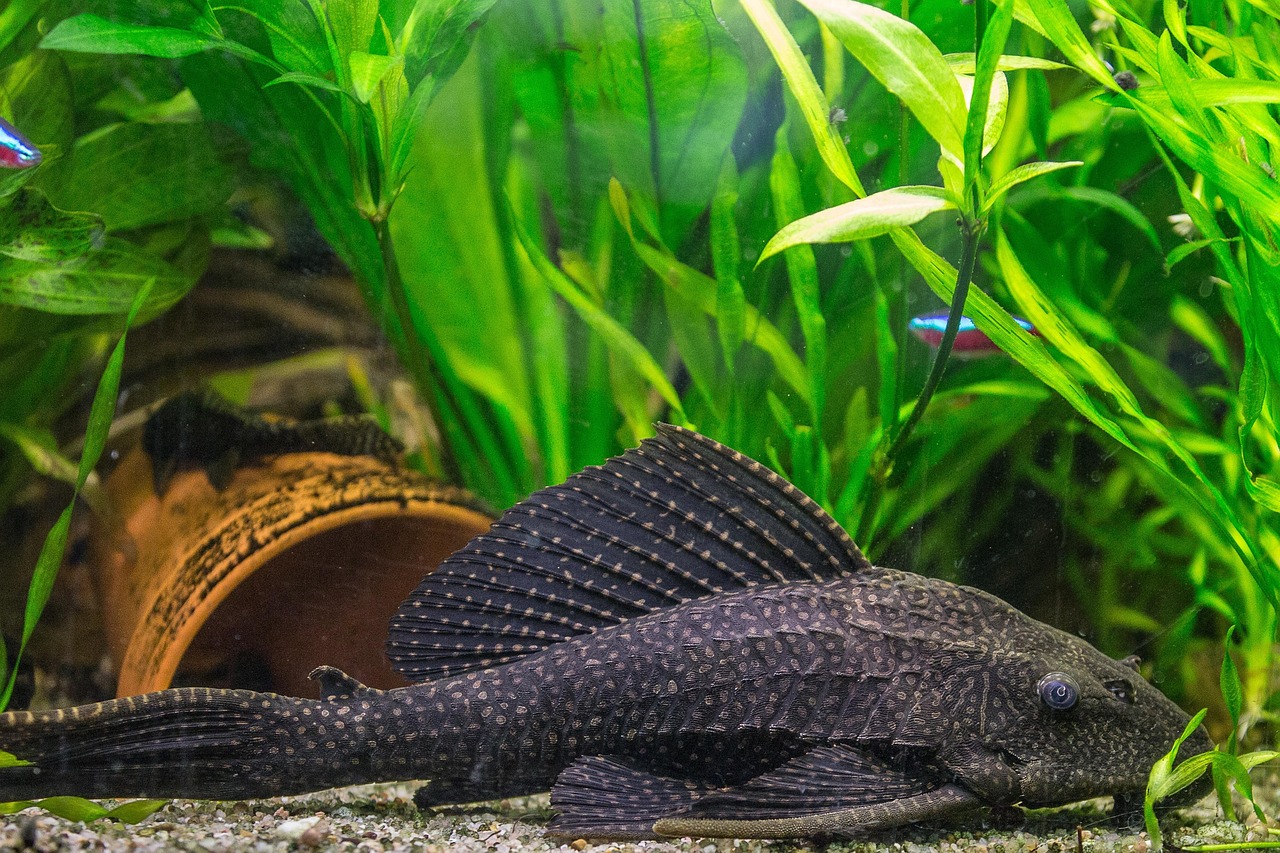
If you have ever heard mysterious clicking and croaking sounds coming from your aquarium at night, you may already be familiar with talking catfish. Agamyxis pectinifrons, the spotted or whitespot talking catfish, is a hardy, distinctive bottom dweller that produces audible sounds by rotating its pectoral fin spines and vibrating its swim bladder. This agamyxis catfish care guide from Gensou Aquascaping at 5 Everton Park, Singapore, covers everything from tank requirements to handling precautions for this characterful South American catfish.
Species Profile
Agamyxis pectinifrons belongs to the Doradidae family — the thorny catfishes — native to slow-moving tributaries and flooded forests of the Amazon and Orinoco basins. Adults reach 12-15 cm in captivity and are covered in a striking pattern of white spots on a dark brown to black body. Like all doradids, they possess rows of bony scutes along their lateral line and formidable serrated pectoral fin spines. These spines lock into position when the fish feels threatened, making netting a risky affair for both fish and keeper.
Tank Requirements
A single agamyxis needs a minimum 120-litre tank, with 200 litres or more preferred for a group. Provide an abundance of hiding spots — driftwood caves, PVC pipes, or coconut shell halves work perfectly. These catfish are strictly nocturnal and spend daylight hours wedged into the tightest crevice they can find. Sand substrate is essential; gravel can damage their barbels and belly over time. Dim lighting or floating plants that diffuse overhead light encourages earlier evening emergence.
Water Conditions
Agamyxis catfish are remarkably adaptable, tolerating pH 6.0-7.5, GH 2-15, and temperatures of 24-28 °C. Singapore’s tap water parameters fall comfortably within this range, making water preparation straightforward — dechlorinate, and you are essentially ready. These catfish handle minor parameter fluctuations better than many tropical species, which partly explains their reputation as bomb-proof community fish. Still, consistent weekly water changes of 25-30% are important for long-term health, particularly to manage nitrate levels.
Feeding Habits
Spotted talking catfish are opportunistic omnivores that eat virtually anything that sinks. Sinking catfish pellets, wafers, frozen bloodworms, chopped earthworms, and blanched vegetables all get consumed enthusiastically. The challenge is ensuring food actually reaches them in a community tank — faster daytime feeders often clean up before these nocturnal catfish emerge. Feed after lights-out, dropping food directly near their known hiding spots. A feeding ring placed on the substrate can help concentrate food in one area. Their barbels are highly sensitive, and you will notice them methodically sweeping the substrate to locate every morsel.
The Talking Mechanism
Doradid catfishes produce sound through two mechanisms. Stridulation — rubbing the base of the pectoral fin spine against the pectoral girdle — creates a clicking or chattering noise. Simultaneously, rapid contractions of muscles attached to the swim bladder generate a lower-pitched drumming sound. These vocalisations serve as alarm calls and are most often heard when the fish is disturbed, netted, or interacting with conspecifics. Keep this in mind when doing tank maintenance — you will hear them before you see them.
Handling and Netting Precautions
Never net an agamyxis catfish with a standard fine-mesh net. Their serrated pectoral spines lock outward and tangle hopelessly in netting, causing injury to the fish and painful puncture wounds to your hands. Instead, use a rigid plastic container or jar to scoop the fish during water changes or transfers. The spines can deliver a mildly venomous sting that causes localised pain and swelling lasting several hours — treat it like a bee sting with hot water immersion to denature the protein-based venom.
Tankmates and Social Behaviour
Agamyxis are peaceful giants of the bottom zone. They coexist harmoniously with most community fish — tetras, barbs, rasboras, gouramis, peaceful cichlids, and other catfish all make fine companions. Avoid very small fish under 2 cm that might be accidentally swallowed during nighttime foraging. Keeping two or three agamyxis together often results in them sharing the same hiding spot, stacked on top of each other in a comical pile. They are social within their own species and appear less stressed in groups.
A Characterful Addition to Your Tank
The spotted talking catfish may not win beauty contests against flashy cichlids or neon tetras, but its unique vocalisations, armoured appearance, and hardy nature make it a fascinating aquarium resident. In Singapore’s warm, soft water, Agamyxis pectinifrons requires minimal environmental adjustment and thrives for well over a decade with basic care. This agamyxis catfish care guide gives you the essentials — provide hiding spots, feed at night, and handle with respect. In return, you get a catfish with genuine personality and a voice to match.
Related Reading
- African Glass Catfish Care Guide: Transparent and Social
- Asian Bumblebee Catfish Care Guide: Striped Nocturnal Hunter
- Asian Stone Catfish Care Guide: Masters of Camouflage
- Banjo Catfish Care Guide: The Flat and Bizarre Bottom Dweller
- Doras Catfish Care Guide: Armoured Giants With Character
Fans of unusual catfish like the spiny Agamyxis will find plenty to enjoy in our Tatia catfish care guide, which profiles another small, secretive driftwood-loving bottom-dweller.
The robust, armored Agamyxis sits at one end of the catfish spectrum; for a slender, herbivorous contrast, see our Farlowella catfish care guide.



