
Frontosa Cichlid Care Guide: The Gentle Giant of Tanganyika
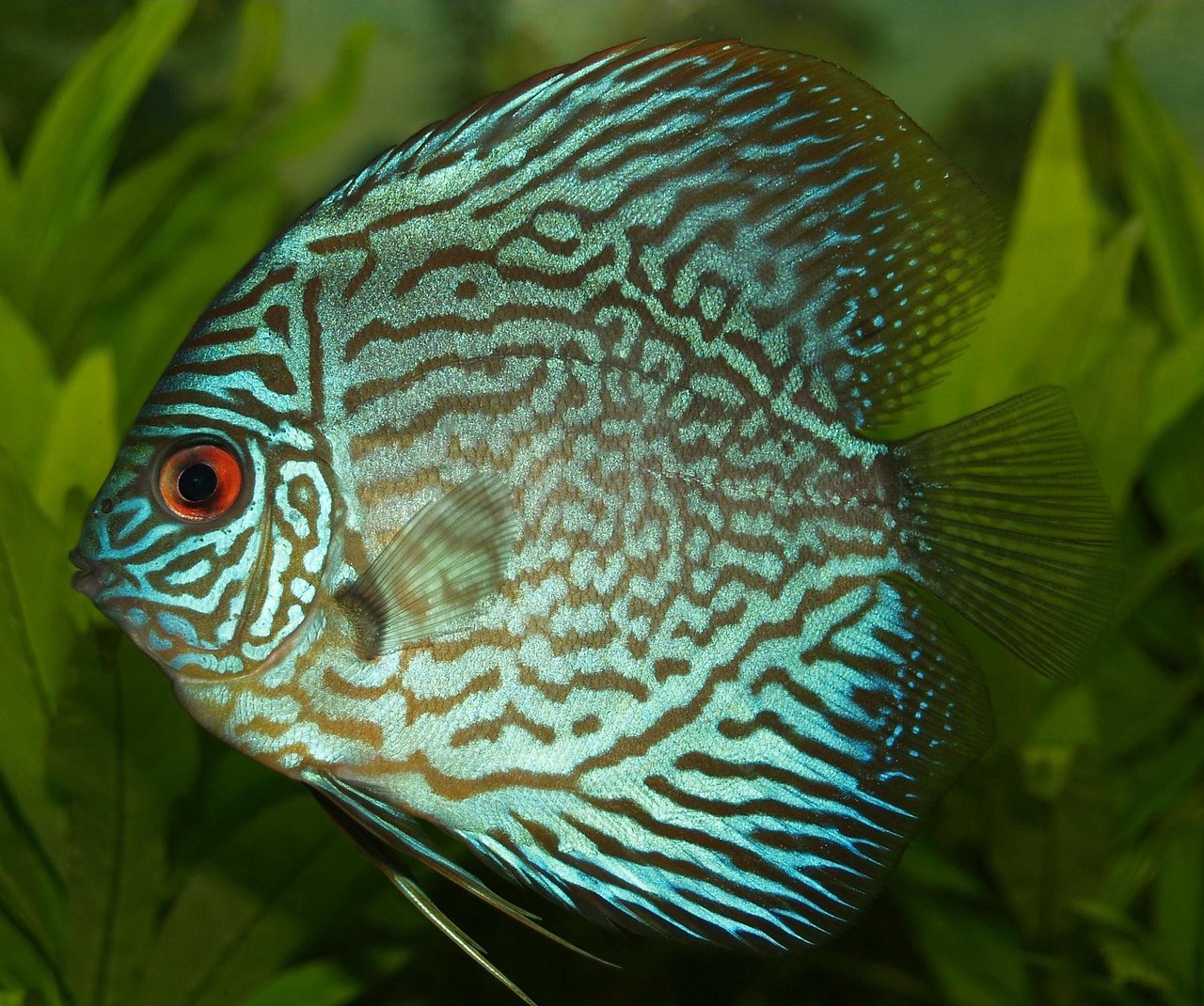
The frontosa cichlid (Cyphotilapia frontosa) is one of the most majestic freshwater fish available to hobbyists. With its bold black-and-white banding, imposing nuchal hump and slow, dignified swimming style, a mature frontosa commands attention in any room. This frontosa cichlid care guide from Gensou Aquascaping at 5 Everton Park covers everything you need to keep these Lake Tanganyika giants thriving in Singapore. This guide sits inside our broader Tropical Fish Species Master Index reference.
Frontosa Overview
Frontosa cichlids originate from the deep waters of Lake Tanganyika in East Africa, typically found at depths of 30–50 metres. They grow large — males reach 30–35 cm and females around 25 cm. With excellent care, frontosa can live for 15–25 years, making them one of the longest-lived aquarium fish. Several geographic variants exist, including Burundi (six-stripe), Kipili (blue), Mpimbwe (blue) and Zaire Blue, each with slightly different colouration and stripe patterns.
Tank Requirements
Frontosa need space. A group of one male and four to five females requires a minimum of 500 litres, with 700 litres or more being ideal. Use fine sand as substrate and build a rockscape with large caves — frontosa spend much of their day resting inside rock structures. The temperature should be 24–27 °C, pH 7.8–9.0 and GH 12–20 dGH. These are deep-water fish that prefer dim lighting, so avoid intense LEDs or provide shaded areas with overhanging rocks.
Filtration and Water Quality
A heavy-duty canister filter or sump system is essential for a tank this size. Frontosa are sensitive to dissolved organics, so aim for zero ammonia, zero nitrite and nitrate below 10 ppm. Weekly water changes of 25–30 per cent are critical. Ensure strong biological filtration with quality media like ceramic rings or sintered glass.
Diet and Feeding
In the wild, frontosa are ambush predators that feed on smaller fish, primarily Cyprichromis species, while their prey sleep at night. In captivity, feed high-quality cichlid pellets as the staple. Supplement with whole prawns, krill, mysis shrimp and silversides. Feed adult frontosa once daily or every other day — they are slow eaters and prone to bloat if overfed. Avoid flake food, as it does not provide adequate nutrition for fish of this size.
Tank Mates
Despite their size, frontosa are remarkably peaceful. Suitable companions include Cyprichromis (though some may be eaten), Altolamprologus, large Synodontis catfish and other Tanganyikan species of similar temperament. Avoid fast, aggressive fish that steal food or harass the slow-moving frontosa. Never house them with mbuna or other hyperactive cichlids.
Breeding Frontosa
Frontosa are slow to mature, typically reaching breeding age at three to four years. They are maternal mouthbrooders, with the female holding 20–50 eggs for approximately 40 days — one of the longest incubation periods in the cichlid world. Fry are large upon release and can eat baby brine shrimp and crushed pellets immediately. Breeding groups do best when raised together from juveniles, as introducing new adults to an established group often causes aggression.
Common Health Issues
Bloat is the primary concern, caused by overfeeding, poor diet or stress. Symptoms include a distended abdomen, rapid breathing and refusal to eat. Treat with metronidazole in a quarantine tank and fast the fish for several days. Hexamita infections can also occur, presenting as white, stringy faeces and weight loss despite eating. Maintaining pristine water quality is the single best preventative measure.
Related Reading



