
Calcium and Magnesium in Aquariums: GH Explained in Detail
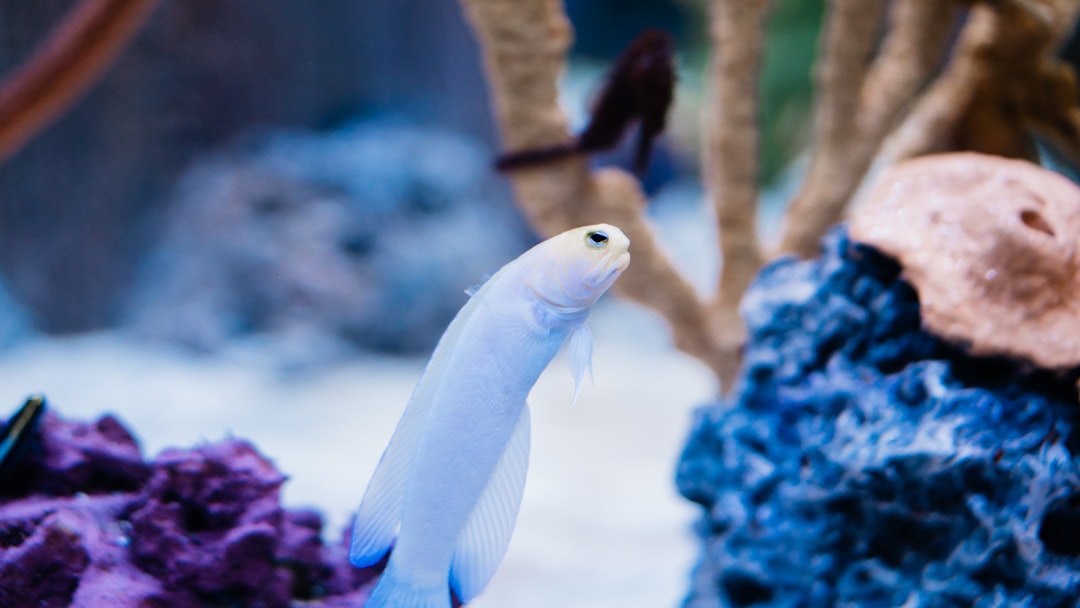
This calcium magnesium aquarium GH guide breaks down one of the most misunderstood aspects of freshwater aquarium chemistry. General hardness, or GH, measures the combined concentration of calcium and magnesium ions in your water — two minerals that are essential for fish health, shrimp moulting and plant cell function. At Gensou Aquascaping at 5 Everton Park, we help hobbyists decode their water parameters regularly, and GH questions are among the most common we receive.
What GH Actually Measures
GH stands for General Hardness and is expressed in degrees (dGH) or parts per million of calcium carbonate equivalent. One degree of GH equals approximately 17.9 milligrams per litre of calcium carbonate. Crucially, GH measures only calcium and magnesium — it does not account for other dissolved minerals like sodium or potassium.
A GH reading of 0 to 4 dGH is considered soft, 4 to 8 dGH is moderate, and anything above 12 dGH is hard. Most tropical freshwater aquariums perform best between 4 and 8 dGH, though the ideal range depends on your specific livestock and plants.
Why Calcium Matters
Calcium plays a critical role in bone and scale development in fish, shell formation in snails, and exoskeleton integrity in shrimp. In planted tanks, calcium is involved in cell wall structure and enzyme activation. Without adequate calcium, plants develop distorted new growth — leaves may appear crinkled or cupped, and growing tips can become stunted.
Shrimp keepers need to pay particular attention to calcium levels. Insufficient calcium leads to failed moults, which is one of the leading causes of shrimp mortality. Caridina species generally prefer softer water with lower calcium, while Neocaridina thrive in moderate GH around 6 to 8 dGH.
The Role of Magnesium
Magnesium is the central atom in the chlorophyll molecule, making it indispensable for plant photosynthesis. Deficiency manifests as interveinal chlorosis — the tissue between leaf veins turns yellow while the veins themselves remain green. This symptom typically appears on older leaves first, as the plant mobilises magnesium from mature foliage to support new growth.
For fish and shrimp, magnesium supports muscle function and metabolic processes. While outright magnesium deficiency is less common than calcium deficiency in livestock, the ratio between the two minerals matters significantly.
The Calcium-to-Magnesium Ratio
A commonly recommended ratio is three to four parts calcium to one part magnesium. This approximates the ratio found in many natural freshwater habitats and supports both plant and animal health effectively. If your water is heavily skewed toward calcium with very little magnesium, or vice versa, you may encounter issues even if the total GH reading appears normal.
Test kits that measure only total GH cannot reveal this ratio. You need individual calcium and magnesium test kits or a detailed water report from your local utility. In Singapore, PUB water reports provide general hardness data, but individual calcium and magnesium figures may require separate testing.
Singapore Tap Water Considerations
Singapore’s tap water is typically soft to moderately soft, with GH readings around 1 to 4 dGH depending on the treatment plant and seasonal variation. This is excellent news for keepers of soft-water species like Caridina shrimp and many South American fish. However, it means that Neocaridina keepers and those growing calcium-demanding plants often need to remineralise.
Remineralising salts designed for aquarium use allow you to raise GH to your target level with a controlled calcium-to-magnesium ratio. Products such as Salty Shrimp GH+ or similar preparations dissolve in reverse osmosis or tap water and provide consistent results.
How to Adjust GH in Your Tank
To raise GH, add a GH remineraliser to your water change water before adding it to the tank. Dissolve the powder in a bucket, test the GH, and adjust until you reach your target. This approach is far more precise than adding minerals directly to the aquarium.
To lower GH, dilute your tap water with reverse osmosis or deionised water. Many Singapore hobbyists keep a small RO unit at home for this purpose. Mix the RO water with tap water until you reach the desired GH level, then use this blend for water changes.
Avoid using crusite, limestone or coral chips to raise GH unless you also want to increase KH and pH, as these materials dissolve and release carbonate along with calcium.
Testing and Monitoring
Test GH at least once a month, or weekly if you keep sensitive species like Caridina shrimp. Liquid drop test kits are more accurate than strip tests for GH measurement. Record your readings in a log so you can spot trends and adjust your remineralisation routine proactively.
If you notice unexplained livestock losses or plant deficiency symptoms despite apparently normal parameters, investigate the calcium-to-magnesium ratio as a potential culprit. A balanced GH reading with a skewed ratio can be the hidden cause of persistent problems.
Getting Your GH Right
Understanding calcium and magnesium is fundamental to maintaining a stable, healthy aquarium. Once you have your GH dialled in with the correct mineral ratio, many seemingly unrelated problems — from shrimp deaths to plant deficiencies — often resolve on their own. Visit Gensou Aquascaping for water testing supplies and personalised guidance on optimising your tank’s mineral balance.
Related Reading



