
Marble Hatchetfish Care Guide: The Classic Surface Dweller
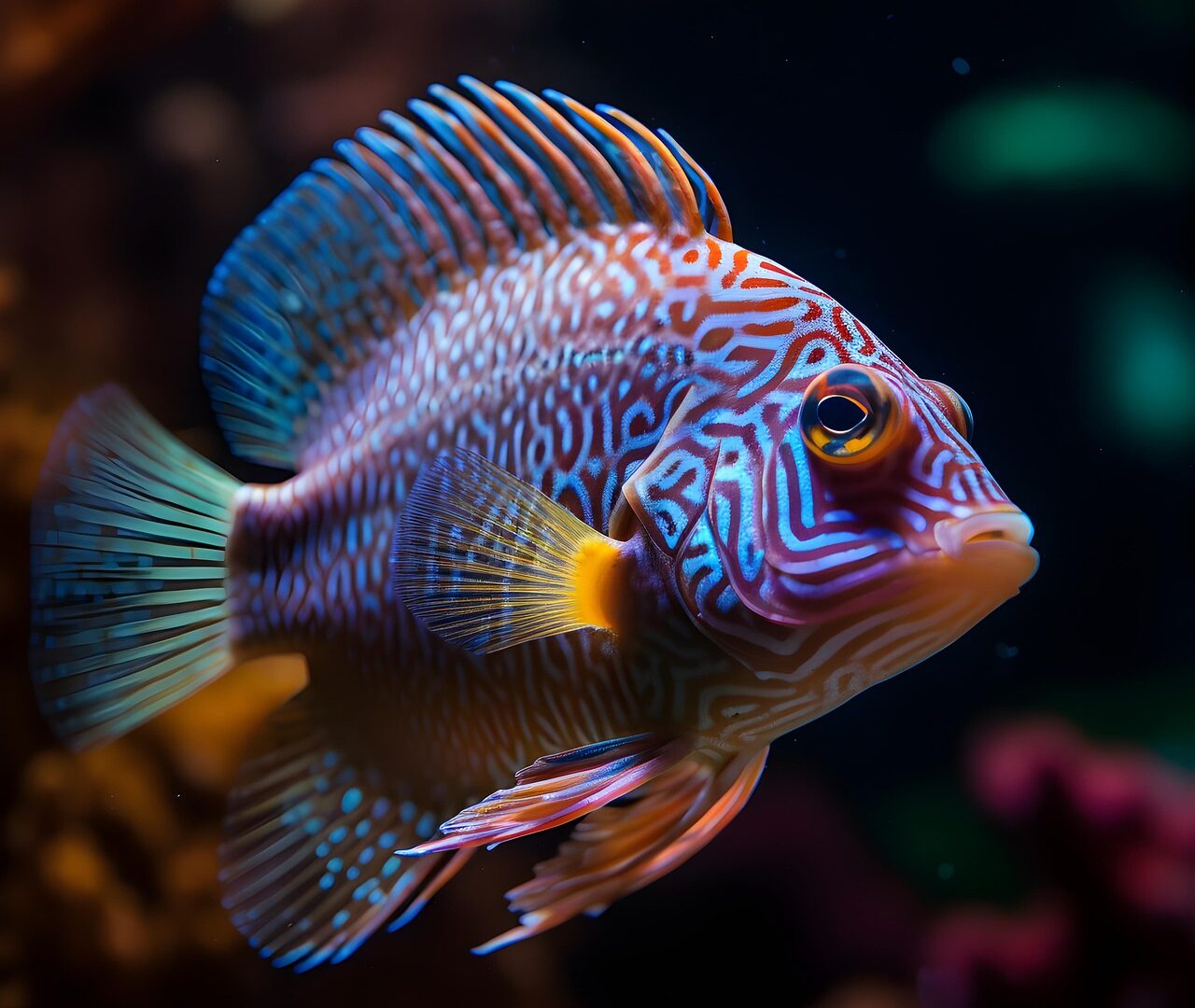
This marble hatchetfish care guide covers the husbandry of Carnegiella strigata, a fascinating surface-dwelling characin recognised by its deep, keel-shaped body and intricate marbled patterning. At Gensou Aquascaping, located at 5 Everton Park, Singapore, we appreciate how this species fills the often-empty top layer of a planted aquarium with life and personality.
Species Background
Marble hatchetfish originate from the slow-moving blackwater streams and flooded forests of the Amazon basin in South America. Their highly compressed body and large pectoral muscles allow them to leap from the water surface to escape predators, a remarkable adaptation among freshwater fish.
Adults reach about 3.5 cm and display a distinctive marbled pattern of dark brown lines over a silver body, with a prominent ventral keel. They are obligate surface dwellers, spending nearly all their time in the top few centimetres of the water column, which makes them an excellent complement to mid-water and bottom-dwelling species in community setups.
Tank Size and Setup Essentials
A 60-litre aquarium with a long footprint provides adequate surface area for a group of six to eight marble hatchetfish. Surface area matters more than depth for this species, so favour wider tanks over taller ones. A secure, tight-fitting lid is absolutely essential, as these fish are notorious jumpers.
Floating plants such as Salvinia, Amazon frogbit, or red root floaters create a canopy that makes hatchetfish feel secure and reduces jumping behaviour. Subdued lighting, achieved by the shade of floating vegetation, also helps them display more natural behaviour. Below the surface, stem plants and driftwood complete a naturalistic South American biotope.
Water Parameters
Marble hatchetfish prefer warm, soft, acidic water. Maintain a temperature of 24 to 28 degrees Celsius, which is easily achieved in Singapore without supplemental heating in most homes. Target a pH of 5.5 to 7.0 and general hardness of 2 to 10 dGH.
Adding Indian almond leaves or peat extract to the filter creates the tannin-stained conditions these fish encounter in the wild. Weekly water changes of 20 per cent help manage waste without drastically shifting parameters. Match the replacement water’s temperature and chemistry to avoid stressing these somewhat sensitive fish.
Feeding Marble Hatchetfish
As surface feeders, marble hatchetfish primarily accept foods that float or remain at the top of the water column. Crushed flakes, freeze-dried bloodworms, and floating micro pellets are all suitable staples. They eagerly consume small live foods such as fruit flies, which closely mimic the insects they hunt in the wild.
Frozen daphnia and baby brine shrimp are also accepted, though the fish may ignore food that sinks below the surface layer. Feed small amounts two to three times daily to ensure they receive adequate nutrition. A varied diet rich in protein promotes healthy body condition and sharp marbled patterning.
Behaviour and Social Needs
Marble hatchetfish are peaceful shoaling fish that should be kept in groups of at least six. Larger groups produce more confident, natural behaviour and reduce stress-related jumping. They typically hover just beneath the water surface, occasionally darting forward to snatch floating insects or food particles.
These fish are generally non-aggressive and ignore other species. Their exclusive occupation of the surface layer makes them ideal for community tanks where mid-water and bottom zones are already populated. However, they can be shy and may hide among floating plants when disturbed, so place the tank in a low-traffic area if possible.
Compatible Tank Mates
Pair marble hatchetfish with peaceful mid-water and bottom-dwelling species. Cardinal tetras, rummy-nose tetras, ram cichlids, corydoras catfish, and small plecos make excellent companions. Avoid aggressive or overly active surface feeders that may outcompete the hatchetfish for food or cause them to jump.
In a Singapore planted tank context, combining hatchetfish with a school of tetras and a group of corydoras creates a well-balanced community that occupies every layer of the aquarium. Shrimp and snails are also compatible, though hatchetfish rarely interact with bottom dwellers.
Health Considerations
Marble hatchetfish are sensitive to poor water quality and sudden parameter changes. Ich and bacterial infections are the most common issues, often triggered by the stress of importation. Quarantine new fish for at least two weeks and acclimate them slowly using the drip method.
Ensure good surface oxygenation with gentle water movement. In Singapore’s warm climate, dissolved oxygen can drop in still, heavily planted tanks, which is problematic for surface-breathing species. A gentle air stone or slight surface ripple from the filter outlet helps maintain healthy oxygen levels without creating excessive current.
Adding Marble Hatchetfish to Your Aquascape
Few freshwater fish animate the surface layer as charmingly as the marble hatchetfish. Their unique shape, elegant patterning, and calm surface-dwelling habit bring a finished look to planted aquariums that might otherwise lack activity at the top. For Singapore hobbyists interested in a complete, multi-layered community, this species is an outstanding choice. Visit Gensou Aquascaping at 5 Everton Park for expert guidance on integrating marble hatchetfish into your planted setup.
Related Reading



