
False Rummy Nose Tetra Care Guide: Easier Alternative to the Real Thing
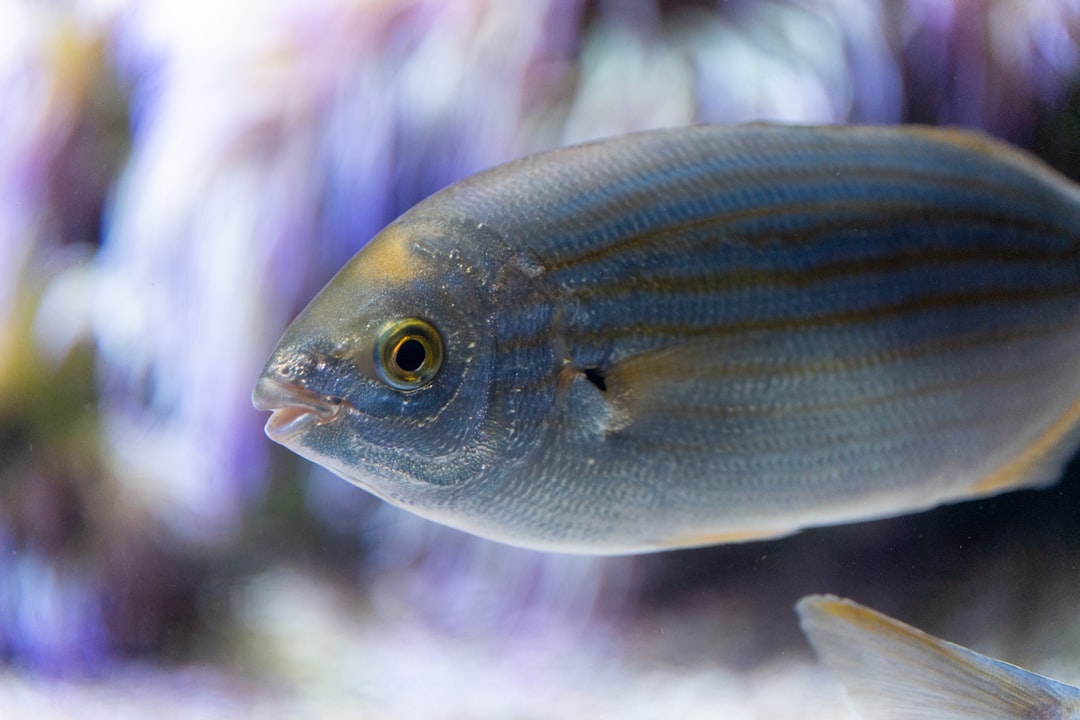
This false rummy nose tetra care guide examines a popular schooling fish that closely resembles its more famous cousin but proves easier to maintain. At Gensou Aquascaping, located at 5 Everton Park, Singapore, we often suggest the false rummy nose tetra (Petitella georgiae) for hobbyists who admire the rummy nose look but prefer a hardier alternative.
Species Overview and Identification
The false rummy nose tetra originates from the upper Amazon basin in Peru and Brazil. It reaches about 5 centimetres in length and closely resembles the true rummy nose tetra (Hemigrammus rhodostomus) and the brilliant rummy nose (Hemigrammus bleheri). All three species share the characteristic red nose and black-and-white striped caudal fin. The key difference lies in the extent of the red colouration: in Petitella georgiae, the red pigment is typically confined to the snout and does not extend as far back towards the gill plate as in H. bleheri. The tail striping pattern also differs subtly, with the false rummy nose showing more defined horizontal bands.
Tank Size and Aquascape
False rummy nose tetras are obligate schoolers and should be kept in groups of ten or more. A minimum tank volume of 80 litres accommodates a school comfortably, though 120 litres or more allows for a more natural display. They look exceptional against a dark substrate with dense background planting and open midwater swimming space. Driftwood and botanicals such as Indian almond leaves create a soft, tannin-stained environment that replicates their blackwater origins and enhances the contrast of their red noses and striped tails.
Water Parameters
While the true rummy nose tetra can be demanding about water quality, the false rummy nose is notably more forgiving. Maintain temperatures between 24 and 28 degrees Celsius, a pH of 5.5 to 7.5, and general hardness of 2 to 15 dGH. Singapore’s dechlorinated tap water works well for this species. Perform 20 to 25 per cent water changes weekly to keep nitrate levels in check. The intensity of the red nose colouration serves as a reliable indicator of water quality and fish health; pale or faded red suggests stress or deteriorating conditions.
Diet and Feeding
False rummy nose tetras are easy to feed. They accept high-quality flake and micro pellet foods without hesitation. Supplement their diet with frozen bloodworms, daphnia and brine shrimp two to three times per week to maintain vibrant colouration and robust health. Live foods are an excellent occasional treat that encourages natural foraging. Feed small portions multiple times daily rather than one large meal, as this better suits their small stomach capacity and continuous grazing behaviour in the wild.
Temperament and Tank Mates
This species is exceptionally peaceful and makes an ideal community fish. It pairs well with other small, non-aggressive species such as cardinal tetras, harlequin rasboras, Corydoras catfish, otocinclus and dwarf shrimp. Dwarf cichlids like Apistogramma species also make compatible companions. Avoid housing them with large or aggressive fish that could intimidate or predate on them. The tight schooling behaviour of false rummy nose tetras is one of the most satisfying sights in a planted aquarium, with the group moving in near-perfect synchronisation.
Health Considerations
False rummy nose tetras are hardier than the true rummy nose but remain sensitive to sudden parameter swings. Ich is the most common ailment, typically triggered by abrupt temperature changes. Neon tetra disease, though rare, can also affect this species. Quarantine all new fish for a minimum of two weeks. In Singapore, where air conditioning can cause room temperature variations overnight, consider using a reliable heater set to 26 degrees Celsius to maintain consistency. A healthy school will display tight formation and vivid red noses.
Breeding False Rummy Nose Tetras
Breeding is possible but not commonly achieved in home aquaria. Set up a small breeding tank with very soft, acidic water at a pH of 5.5 to 6.0 and a temperature of 26 to 27 degrees Celsius. Dim the lighting and provide fine-leaved plants or spawning mops. Condition a pair or small group with live foods for two weeks. Eggs are scattered among vegetation and hatch in approximately 24 hours. Remove adults after spawning, as they will eat the eggs. Fry are extremely small and require infusoria for the first week before transitioning to baby brine shrimp.
Why Choose the False Rummy Nose
The false rummy nose tetra delivers the visual appeal of the rummy nose group with greater resilience and adaptability. Its tight schooling, peaceful demeanour and striking colouration make it a superb addition to any planted community tank. Visit Gensou Aquascaping at 5 Everton Park, Singapore, for help selecting and acclimating these tetras. With stable conditions and a varied diet, false rummy nose tetras live for five to six years, bringing coordinated movement and colour to your aquascape.
Related Reading



