
African Glass Catfish Care Guide: Transparent and Social
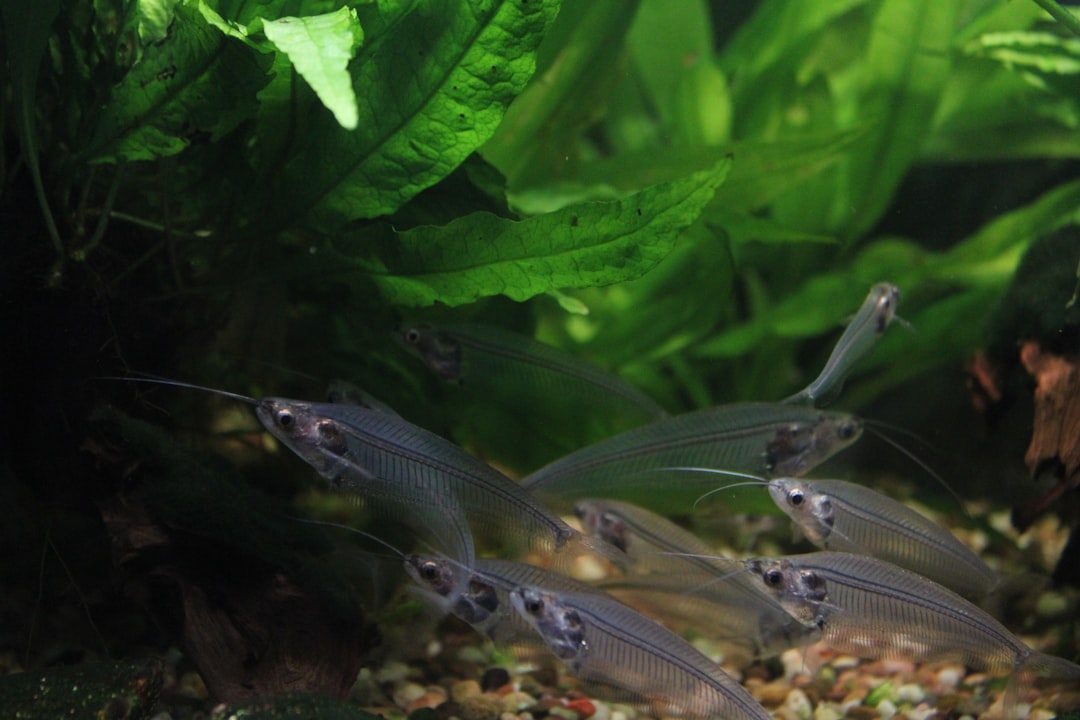
This african glass catfish care guide covers a captivating species whose transparent body reveals its skeleton and internal organs in remarkable detail. At Gensou Aquascaping, located at 5 Everton Park, Singapore, we find the African glass catfish (Parailia pellucida) to be a fascinating addition for aquarists seeking something truly unusual.
Species Overview and Origin
The African glass catfish is native to rivers and streams across West and Central Africa, from Nigeria through to the Congo Basin. It should not be confused with the more commonly available Asian glass catfish (Kryptopterus vitreolus), though both share the remarkable trait of near-complete transparency. The African species reaches approximately 8 to 10 centimetres in length and has a more elongated, laterally compressed body shape. Its transparent flesh allows you to see the vertebral column, swim bladder and other organs clearly. A series of faint vertical bars may be visible along the flanks under certain lighting conditions.
Tank Size and Setup
African glass catfish are social fish that must be kept in groups of at least six, with ten or more being ideal. A minimum tank volume of 120 litres accommodates a proper school. These fish prefer a dimly lit environment with plenty of hiding spots created by driftwood, dense planting and floating plants that diffuse overhead light. A dark substrate enhances their ethereal appearance. Moderate water flow from the filter outlet suits them, as they naturally inhabit moving water. Ensure the tank has a secure lid, as they may jump when startled.
Water Parameters
Maintain temperatures between 24 and 28 degrees Celsius, which aligns comfortably with Singapore’s ambient conditions. The ideal pH ranges from 6.0 to 7.5, with general hardness of 4 to 18 dGH. African glass catfish are moderately adaptable but perform best in well-filtered, stable water. Use a canister or hang-on-back filter that provides good biological and mechanical filtration without creating excessive turbulence. Perform weekly water changes of 20 to 25 per cent, ensuring replacement water is temperature-matched and dechlorinated.
Diet and Feeding
African glass catfish are omnivores that feed primarily on small invertebrates and zooplankton in the wild. In aquaria, they accept a varied diet of frozen foods including bloodworms, daphnia, brine shrimp and cyclops. They also take high-quality micro pellets and crushed flake food once accustomed to captivity. Live foods such as baby brine shrimp and grindal worms are eagerly consumed and help condition new arrivals that may initially refuse prepared foods. Feed two to three times daily in small portions. These catfish tend to feed in the mid-water column, picking food from the current rather than scavenging from the substrate.
Temperament and Tank Mates
African glass catfish are peaceful, shy fish that do best with equally calm companions. Suitable tank mates include small tetras, rasboras, dwarf gouramis, Corydoras catfish, otocinclus and peaceful dwarf cichlids. Avoid large, boisterous or aggressive species that may stress them into permanent hiding. Their transparent bodies make them vulnerable to fin nippers, so steer clear of barbs known for this behaviour. In a well-designed community tank with subdued lighting and ample cover, a school of African glass catfish creates an ethereal, almost ghostly display as they hover in unison among the plants.
Health and Common Issues
The transparency of these catfish offers a unique diagnostic advantage, as internal issues like bloating or parasites can sometimes be observed directly. Common health concerns include ich, bacterial infections and stress-related diseases. They are particularly sensitive to poor water quality and will lose their transparency, becoming milky or opaque, when stressed or unwell. This colour change serves as an early warning system for the aquarist. Maintain pristine water conditions and quarantine new arrivals for at least two weeks. In Singapore’s warm climate, ensure the filter is properly maintained to prevent oxygen depletion.
Breeding African Glass Catfish
Breeding African glass catfish in captivity is rarely achieved and poorly documented. They are believed to be egg scatterers that release eggs among fine vegetation in flowing water. A dedicated breeding setup with soft, slightly acidic water, gentle current and plenty of fine-leaved plants or spawning mops may encourage spawning. Condition potential breeders with high-quality live and frozen foods for several weeks. Dimmed lighting and a stable, stress-free environment are likely prerequisites. Fry, if successfully hatched, would require infusoria and later baby brine shrimp.
Keeping African Glass Catfish in Singapore
African glass catfish are less commonly available than their Asian counterparts in Singapore’s aquarium trade. Specialist importers and hobbyist networks are your best sources. When purchasing, look for specimens that display clear transparency and active schooling behaviour, as cloudy or lethargic individuals may be stressed or ill. Visit Gensou Aquascaping at 5 Everton Park for advice on creating the ideal low-light, planted setup for these remarkable fish. With attentive care, African glass catfish can live for five to eight years, offering a truly unique display.
Related Reading
- How to Breed Glass Catfish: Transparent Fry and Spawning Triggers
- Glass Catfish Tank Mates: Peaceful Companions for Transparent Fish
- African Butterfly Fish Care Guide: The Ancient Surface Predator
- African Butterfly Fish Feeding Guide: Live Food and Surface Prey
- African Butterfly Fish Tank Mates: Compatible Surface Companions
If shy, peaceful catfish suit your tank like the African glass catfish do, you may also like our Tatia catfish care guide, covering another retiring nocturnal species for the community aquarium.
Aquarists drawn to the delicate African glass catfish often enjoy other unusual, peaceful bottom dwellers like the twig catfish in our Farlowella catfish care guide.



