
Glass Catfish Tank Mates: Peaceful Companions for Transparent Fish
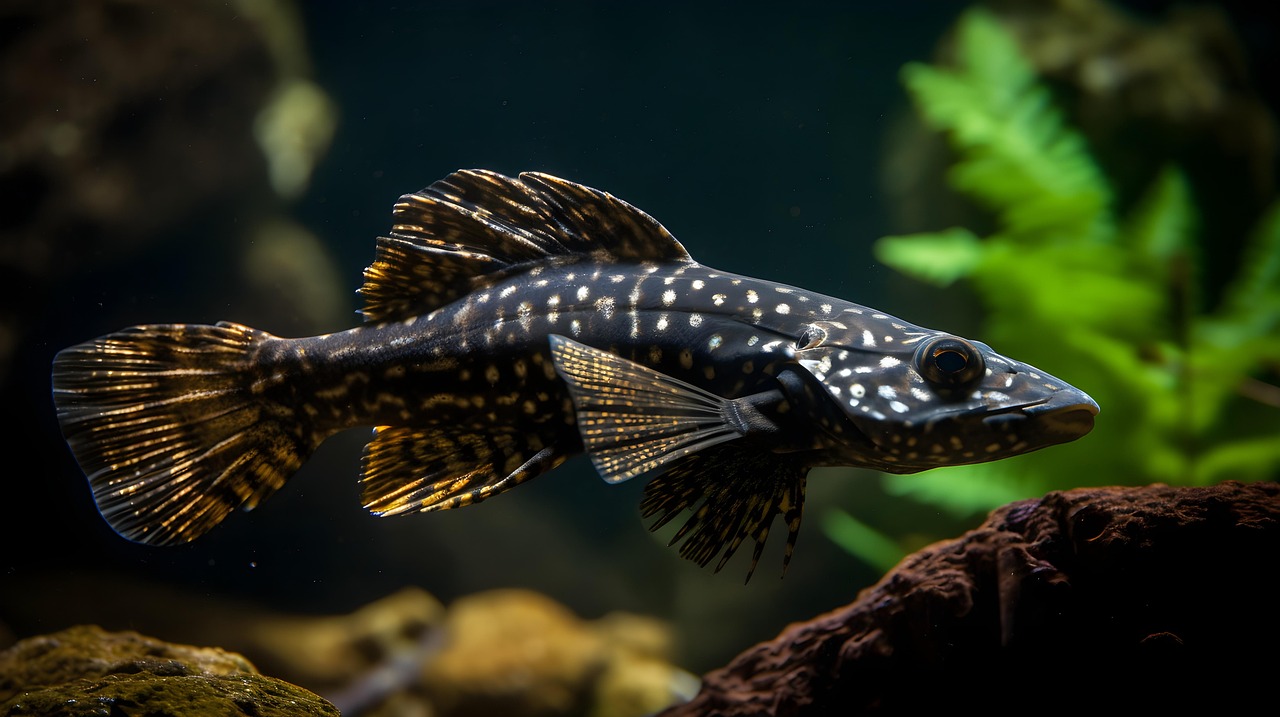
The glass catfish (Kryptopterus vitreolus) is one of the most visually striking freshwater species you can keep — a completely transparent body revealing its spine and internal organs under aquarium lighting. Choosing the right glass catfish tank mates is crucial because these gentle fish stress easily around boisterous or aggressive species. This guide from Gensou Aquascaping at 5 Everton Park, Singapore, helps you build a community that keeps your glass cats calm, visible, and healthy.
Understanding Glass Catfish Temperament
Glass catfish are obligate schoolers. Keep fewer than six and they hide permanently, often refusing food until they weaken. A group of 8-12 is ideal, and in a properly sized tank they hover together in mid-water like a shimmering curtain. They are peaceful to a fault — they will not compete for food, will not defend territory, and will retreat from any confrontation. This means every tank mate you add must respect that passivity.
Ideal Small Schooling Fish
Rasboras are among the safest companions. Harlequin rasboras (Trigonostigma heteromorpha) share similar water preferences and swim peacefully in the same column without crowding the glass cats. Lambchop rasboras and espei rasboras work equally well. Ember tetras and neon tetras add colour contrast against the transparent bodies without introducing aggression. Avoid larger tetras like Buenos Aires or serpae tetras, which nip fins and dominate feeding time.
Bottom Dwellers That Work
Small Corydoras species make excellent bottom-level companions since they occupy a completely different zone. Corydoras pygmaeus, C. habrosus, and C. panda are all peaceful enough. Kuhli loaches (Pangio kuhlii) are another strong choice — they stay hidden during the day and scavenge quietly at night. Avoid large plecostomus species that may become territorial around caves and driftwood as they mature.
Shrimp and Snail Companions
Amano shrimp and Neocaridina cherry shrimp coexist peacefully with glass catfish. The catfish mouths, while not tiny, are oriented for catching small drifting prey, not hunting shrimp on surfaces. Nerite snails are another worry-free addition that helps control algae on glass and hardscape. Malaysian trumpet snails keep the substrate aerated, which benefits planted setups. A mixed cleanup crew alongside a glass catfish school creates a balanced, low-maintenance community.
Species to Avoid
Aggressive or hyperactive fish turn glass catfish into permanent hiders. Barbs — especially tiger barbs and tinfoil barbs — are notorious fin nippers that will harass the delicate catfish. Dwarf cichlids like rams or apistos may seem peaceful, but their territorial bottom-dwelling behaviour during breeding can stress nearby glass cats. Large gouramis and bettas with flowing fins can also trigger avoidance behaviour. Even well-meaning tank mates that are simply too fast or too large cause problems.
Tank Setup for a Mixed Community
Provide at least 100 litres for a group of 8 glass catfish plus companions. Gentle filtration is important — these fish dislike strong currents. Plant the background densely with Vallisneria, Java fern, or Hygrophila to give the school a sense of cover, while leaving open mid-water swimming space. Moderate lighting suits both the catfish and most compatible species. In Singapore’s warm climate, ambient temperature of 28 degrees C sits comfortably within the 24-28 degrees C preference range, though a small fan helps during heatwaves.
Feeding in a Community Tank
Glass catfish feed on small live and frozen foods — daphnia, baby brine shrimp, and bloodworms are readily accepted. The challenge in a community is ensuring food reaches them before faster tank mates gobble everything. Distribute food at multiple points across the tank surface simultaneously. Target-feeding with a pipette near the glass catfish school during dim evening hours works well too. Locally, frozen foods are available at most aquarium shops around Serangoon North for $2-5 SGD per pack.
Building a Harmonious Display
A well-chosen glass catfish tank mates community creates a layered, living artwork. Transparent catfish hovering at mid-level, colourful rasboras darting above, and cories pottering along the substrate — each species occupying its own niche without conflict. Singapore hobbyists in HDB flats will find a 90 cm planted tank with this combination delivers remarkable visual depth without demanding aggressive maintenance or specialist equipment.
Related Reading



