
Pinto Shrimp Care Guide: Bold Patterns on Caridina
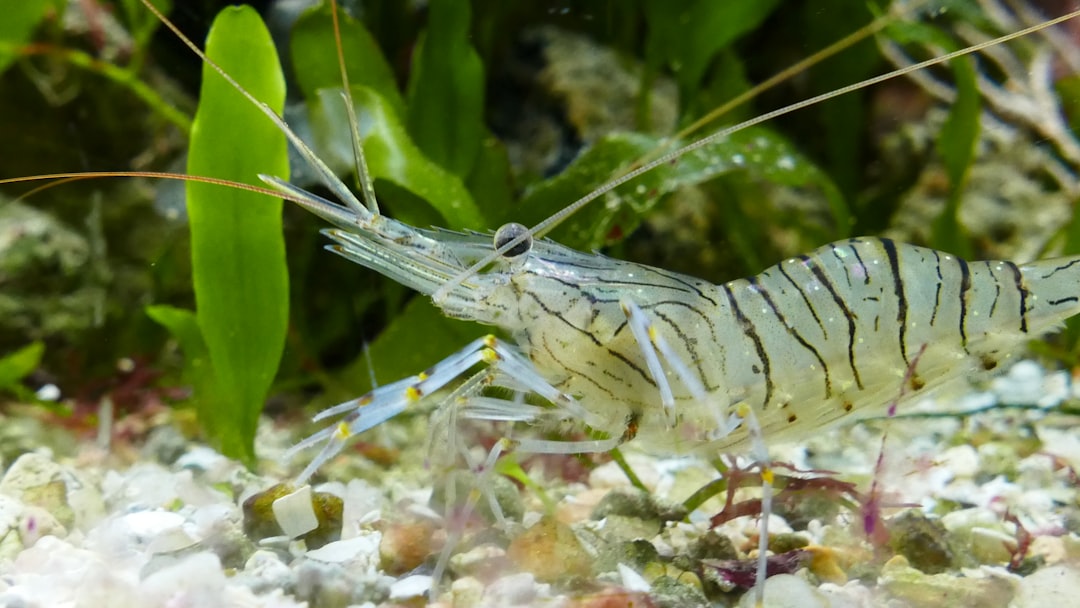
This pinto shrimp care guide explores one of the most visually striking ornamental shrimp varieties in the hobby. At Gensou Aquascaping, based at 5 Everton Park, Singapore, we admire pinto shrimp for their bold black-and-white or red-and-white patterns that make them standout inhabitants in any nano or planted aquarium.
Species Overview and Origins
Pinto shrimp are selectively bred Caridina shrimp that emerged from crossing Taiwan Bee shrimp with other Caridina variants. They are not a wild species but rather a product of dedicated breeding programmes, primarily originating from breeders in Taiwan, Germany and Japan. The hallmark of pinto shrimp is their irregular, high-contrast patterning, which features patches of solid colour against a white base. The two primary colour forms are black pinto and red pinto, with numerous sub-grades and pattern names such as spotted head, zebra and cloud. Adults reach approximately 2.5 to 3 centimetres in length.
Tank Size and Setup
Pinto shrimp thrive in nano aquariums of 20 litres or more, though 40 to 60 litres provides a more stable environment and greater room for colony growth. Use an active buffering substrate specifically designed for Caridina shrimp, as this helps maintain the acidic pH these shrimp require. Add driftwood, smooth stones and plenty of mosses such as Java moss, Christmas moss or flame moss. Mosses serve as biofilm grazing surfaces and shelter for shrimplets. Indian almond leaves and alder cones provide additional tannins and microbial food sources. Sponge filters are the preferred filtration method, as they prevent shrimplets from being drawn into the intake.
Water Parameters
Water quality is paramount for pinto shrimp. They require soft, acidic water with a pH of 5.5 to 6.5, a temperature of 22 to 25 degrees Celsius, a total dissolved solids reading of 100 to 150 ppm, and a general hardness of 4 to 6 dGH. In Singapore, where tap water is typically harder and more alkaline, you will need to use remineralised reverse osmosis water. Mix RO water with a Caridina-specific remineraliser to achieve the correct parameters. Stability matters more than hitting exact numbers; avoid fluctuations at all costs. A cooling fan may be necessary during Singapore’s hotter months to prevent temperatures from exceeding 26 degrees.
Diet and Feeding
Pinto shrimp are omnivorous grazers that feed on biofilm, algae and detritus throughout the day. Supplement their natural grazing with specialised shrimp foods such as pellets, wafers and powdered foods designed for Caridina species. Blanched vegetables like spinach, nettle and mulberry leaves provide additional nutrition. Offer protein-rich foods like frozen bloodworms or dried shrimp sparingly, no more than once or twice per week, as excessive protein can cause moulting issues. Feed small quantities every one to two days, removing uneaten food after two hours to prevent water contamination.
Pattern Grades and Selection
Pinto shrimp are graded based on pattern clarity, coverage and symmetry. Higher grades feature clean, well-defined boundaries between the coloured and white areas. Desirable patterns include the spotted head pinto, where colour appears as distinct spots on a white head, and the zebra pinto, which displays alternating stripes. Skunk pintos show a continuous dorsal stripe. When selecting breeding stock, choose specimens with the sharpest pattern edges and most consistent colouration. Keep in mind that offspring may vary considerably in pattern quality, even from high-grade parents, due to the complex genetics involved.
Health and Moulting
Successful moulting is the most critical aspect of pinto shrimp health. Shrimp moult regularly as they grow, and failed moults are a leading cause of death. Ensure adequate mineral content in the water by using a reliable remineraliser and supplementing with mineral-rich foods. Signs of moulting problems include the white ring of death, a white band behind the head that indicates the old exoskeleton has not separated cleanly. Bacterial infections, vorticella parasites and planaria are other concerns. Maintain impeccable water quality and avoid introducing pests through unquarantined plants or equipment.
Breeding Pinto Shrimp
Pinto shrimp breed readily in well-maintained aquariums with stable parameters. Females carry 15 to 30 eggs under their swimmerets for approximately 28 to 30 days before releasing fully formed shrimplets. The tiny juveniles are miniature versions of the adults and immediately begin grazing on biofilm. Provide ample moss and leaf litter for shrimplets to find food and shelter. To improve pattern quality over generations, select the best-patterned individuals for your breeding colony and separate lower-grade shrimp. Avoid inbreeding by periodically introducing unrelated stock from reputable breeders.
Sourcing Pinto Shrimp in Singapore
Singapore has an active Caridina shrimp community with dedicated breeders and importers. Local hobbyist forums and social media groups are excellent resources for sourcing quality pinto shrimp. When purchasing, request photos of the actual shrimp rather than stock images, and enquire about the seller’s water parameters to ensure a smooth transition. Visit Gensou Aquascaping at 5 Everton Park for guidance on setting up a Caridina-suitable tank. With diligent care and stable water conditions, a pinto shrimp colony can thrive and produce increasingly refined patterns over successive generations.
Related Reading
- Galaxy Pinto Shrimp Breeding Guide: Caridina Hybrid Patterns
- Amano Shrimp Breeding Challenges: Larval Stages and Saltwater Phase
- How to Breed Amano Shrimp: The Challenging but Rewarding Process
- Amano Shrimp vs Cherry Shrimp: Which Is Better for Your Tank?
- Amano Shrimp vs Otocinclus: Which Algae Crew Wins?



