
Sun Catfish Care Guide: The Massive Golden Predator
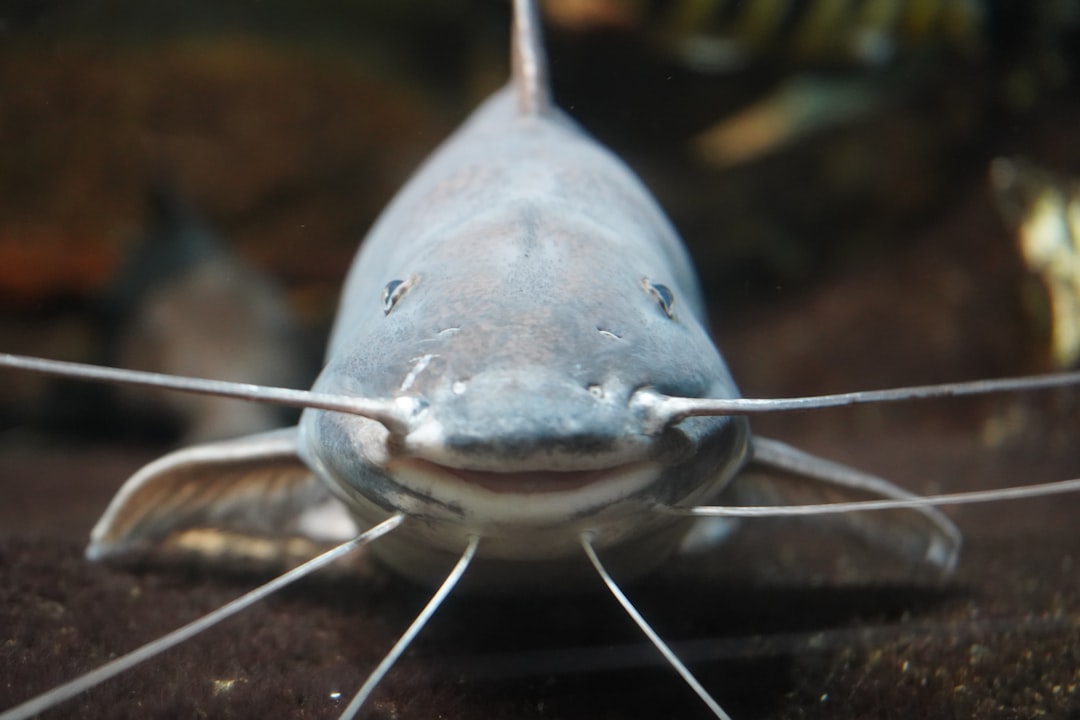
The Sun Catfish is not a fish you stumble upon casually — it is a deliberate choice for keepers who want something truly imposing. Horabagrus brachysoma, native to the rivers and backwaters of Kerala, India, grows to 45 cm in captivity and displays a vivid golden-yellow body marked by a prominent dark shoulder spot. This sun catfish care guide from Gensou Aquascaping at 5 Everton Park, Singapore, covers the essentials of housing this massive golden predator responsibly.
Species Profile
Horabagrus brachysoma belongs to the family Horabagridae and is sometimes called the Golden Red-Tail Catfish — though it is unrelated to the South American Redtail. In the wild, it inhabits slow-moving, heavily vegetated waters with muddy bottoms. The species is listed as Vulnerable by the IUCN due to habitat loss and overfishing in its native range, which adds an ethical dimension to captive care.
Sun Catfish are long-lived, with reports of 15–20 years in aquaria. That golden juvenile in the shop will eventually demand serious space and commitment.
Tank Size
Juveniles can start in a 200-litre tank, but adults require a minimum of 500 litres — 700 litres is more comfortable. These catfish are not especially active swimmers, but their bulk demands swimming room and adequate filtration capacity. For Singapore’s HDB flats, a 150 cm x 60 cm x 60 cm tank on the ground floor is a practical configuration. Verify your floor can handle the weight; a filled 500-litre setup exceeds 600 kg.
Use sand substrate to protect their sensitive barbels. Provide large driftwood pieces and dim lighting — Sun Catfish are nocturnal and appreciate shaded retreats during daylight hours.
Water Conditions
Temperature of 22–28 °C suits this species, aligning well with Singapore’s ambient conditions. Maintain pH between 6.0 and 7.5, and GH of 4–12 dGH. The naturally soft PUB tap water is suitable after thorough dechlorination. Large predatory fish produce heavy bioloads, so oversize your filtration — a sump or dual canister setup rated for at least 1.5 times the tank volume is prudent.
Weekly water changes of 30–40 % keep nitrate levels manageable. A gravel vacuum targeting the substrate around feeding areas removes waste efficiently.
Diet
Sun Catfish are predatory opportunists. In captivity, feed sinking carnivore pellets as the staple — Hikari Massivore or Northfin Catfish formula are readily available on Shopee and Lazada. Supplement with market prawns (shell removed for juveniles, shell on for adults), white fish fillets and earthworms.
Avoid live feeder fish. They carry parasites and provide inferior nutrition compared to prepared foods. Feed juveniles daily; adults do well with meals every other day. One fasting day per week supports digestive health, especially for larger specimens.
Behaviour and Compatibility
Despite their predatory nature, Sun Catfish are generally placid toward fish they cannot swallow. The critical rule is size — any tank mate must be at least half the catfish’s body length. Suitable companions include large cichlids (Oscars, Severums), Bichirs, large Gourami species, and Synodontis catfish.
Sun Catfish become most active at dusk and dawn, often retreating to caves or beneath driftwood during the day. A moonlight LED setting lets you observe their nocturnal foraging behaviour without disturbing them.
Health Concerns
Scaleless fish like Sun Catfish are sensitive to medications containing copper and malachite green. If treatment is needed, always use half the standard dose and monitor closely. Ich and bacterial infections are the most common ailments, usually triggered by poor water quality or sudden temperature changes.
Barbel erosion from rough substrate is another concern. If you notice shortened or reddened barbels, switch to finer sand immediately and improve water quality — barbels can regenerate if caught early.
Growth Rate and Long-Term Planning
Juveniles grow rapidly — expect 2–3 cm per month in the first year with proper feeding. Growth slows after 25 cm but continues steadily. Plan your tank upgrade timeline before purchasing. A common mistake is buying a cute 8 cm juvenile without a realistic path to the 500-litre-plus setup it will eventually need.
A Commanding Centrepiece
The Sun Catfish offers everything a large-fish enthusiast could want: striking colour, impressive size, engaging nocturnal behaviour and a remarkably long lifespan. It demands respect in terms of space and water quality, but rewards dedicated keepers with a genuinely characterful companion. For guidance on large predator setups in Singapore, the team at Gensou Aquascaping brings over 20 years of hands-on experience to every consultation.
Related Reading



