
Wine Red Shrimp Care Guide: Deep Crimson Neocaridina
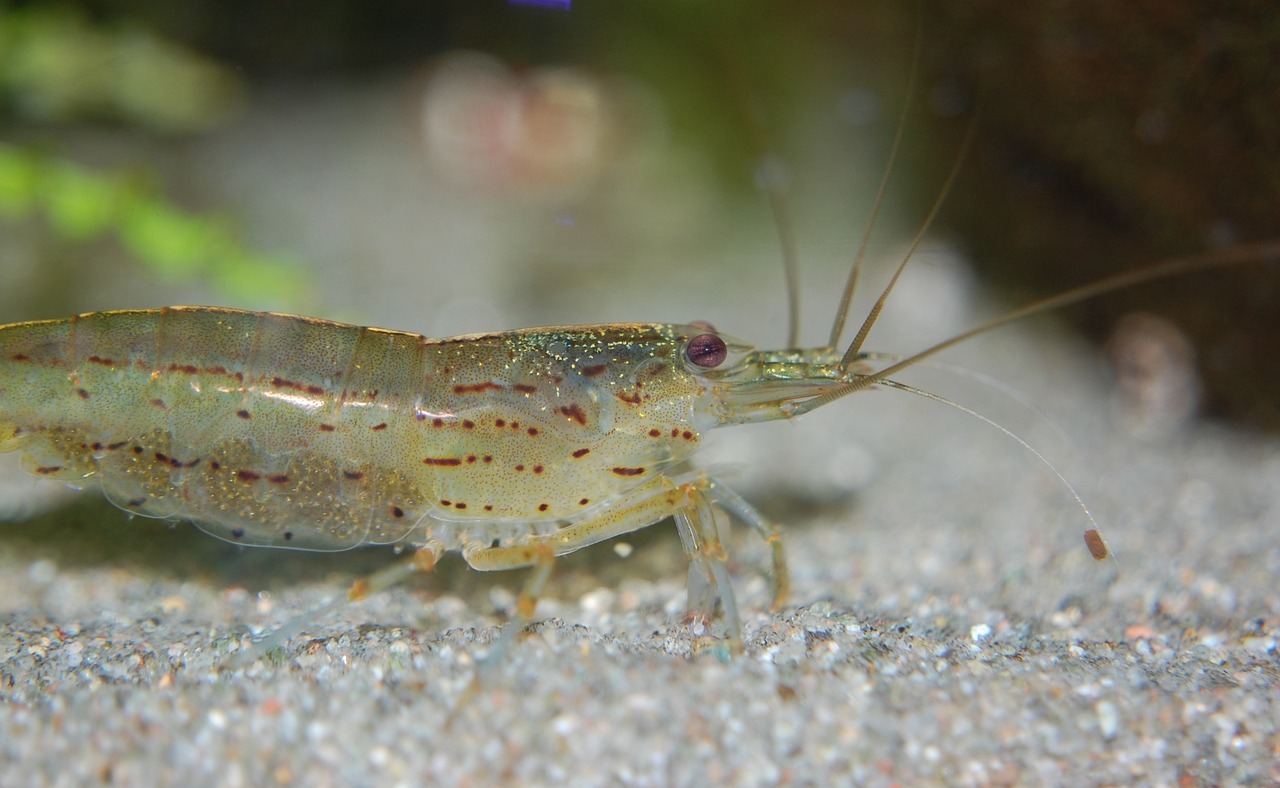
Among the many colour morphs of Neocaridina davidi, few are as visually striking as the wine red. This wine red shrimp care guide covers a selectively bred variant that achieves a deep, translucent crimson reminiscent of aged burgundy, distinctly different from the more common cherry red grade. Gensou Aquascaping at 5 Everton Park, Singapore, keeps and breeds wine red shrimp and can confirm they are just as hardy as standard Neocaridina once you understand the basics of colour grading, water stability and colony management.
What Makes Wine Red Different
Standard cherry shrimp range from pale pink to bright red depending on grade. Wine red shrimp carry a deeper, more saturated pigment with hints of purple-maroon, particularly visible under white LED lighting. The colour has been fixed through generations of selective breeding, prioritising density of chromatophores across the entire body including the legs and rostrum. High-grade wine reds show no translucent patches. They remain a colour morph of Neocaridina davidi and share identical care requirements with other Neocaridina varieties, but crossing them with cherry reds or other colour morphs produces wild-type brown offspring over a few generations.
Tank Setup
A colony of 15-20 wine red shrimp can start in a tank as small as 20 litres, though 40-60 litres provides more stable water parameters and room for population growth. Use an inert substrate like fine gravel or sand if you want neutral pH, or a buffering aquasoil if you prefer slightly acidic conditions. Both work. Add plenty of moss, particularly java moss, Christmas moss or Taxiphyllum varieties, which provide biofilm grazing surfaces and shelter for newborn shrimplets. A sponge filter is the safest filtration choice, as it prevents baby shrimp from being sucked into the intake. Indian almond leaves add beneficial tannins and serve as a supplemental food source as they decompose.
Water Parameters
Neocaridina davidi is famously adaptable, and wine reds are no exception. Maintain pH 6.5-7.8, GH 4-8 and KH 2-6. Singapore’s PUB tap water typically tests at GH 2-4, which sits at the lower end; adding a small amount of mineral supplement like Salty Shrimp GH/KH+ raises hardness into the ideal range. Temperature between 22 °C and 28 °C is acceptable, though 24-26 °C is optimal for breeding. In Singapore’s warm climate, ambient temperature often sits at 27-29 °C, which is tolerable but pushes breeding rates down slightly. A cooling fan helps during the hottest months. Stability matters more than hitting a specific number. Avoid sudden swings of more than 1 °C or 0.5 pH per day.
Feeding
Wine red shrimp are undemanding grazers that spend most of their time picking biofilm off surfaces. In a mature, planted tank with some algae growth, supplemental feeding every other day is sufficient. Offer a quality shrimp pellet like Glasgarten Shrimp Dinner or BorneoWild Grow as the staple. Rotate with blanched spinach, nettle powder, mulberry leaves and occasional protein-rich foods such as frozen bloodworms or shrimp-specific mineral pellets. Remove uneaten food after two hours to prevent water fouling. Overfeeding is the most common mistake beginners make with shrimp colonies and leads to bacterial blooms and parameter crashes.
Breeding and Colony Growth
Once settled, wine red shrimp breed readily. Females carry 20-40 eggs in a saddle beneath the carapace for 28-35 days before releasing fully formed miniature shrimp. No larval stage means no special rearing requirements. Shrimplets are approximately 2 mm and immediately begin grazing. In a predator-free tank with stable parameters, survival rates exceed 80%. A starting colony of 10-15 shrimp can grow to over 100 within six months. To maintain colour intensity, periodically cull lower-grade individuals or separate them into a different tank. Introducing unrelated wine reds every six to twelve months prevents inbreeding depression.
Colour Grading and Selection
Grading wine red shrimp follows a similar logic to cherry shrimp but with emphasis on colour depth rather than opacity alone. Top-grade specimens display uniform deep crimson from head to tail, including legs and antennae, with no translucent patches. Mid-grade individuals may show lighter areas on the legs or underside. Lower grades appear closer to standard cherry reds. When purchasing locally, expect to pay $2-$5 per shrimp for mid-grade and $5-$10 for high-grade from breeders on Carousell. Always buy from the same colour line and avoid mixing with other Neocaridina morphs to preserve the wine red genetics.
Common Issues
Moulting problems are the primary health concern, usually caused by insufficient mineral content in the water. If you notice white rings around the body or failed moults, increase GH with a remineraliser. Planaria and hydra can prey on baby shrimp; treat with fenbendazole (No Planaria) at the manufacturer’s recommended dose. Copper is lethal to shrimp, so verify that any medication or fertiliser is copper-free before dosing. With attentive care, wine red shrimp live 1.5-2 years and continuously reproduce, making a well-managed colony essentially self-sustaining. The deep crimson against bright green moss is one of the most photogenic combinations in the shrimp-keeping hobby.
Related Reading
- Crystal Red Shrimp Grading Guide: SSS to C Grade Explained
- Fire Red Cherry Shrimp Selective Breeding: From Sakura to Painted
- Fire Red Shrimp Care Guide: The Brightest Neocaridina
- Painted Fire Red Shrimp Care Guide: The Highest Grade Neocaridina
- Red Cherry Shrimp vs Crystal Red Shrimp: Beginner vs Advanced



