
Zebra Thorn Snail Care Guide: Striped Spikes and Algae Control
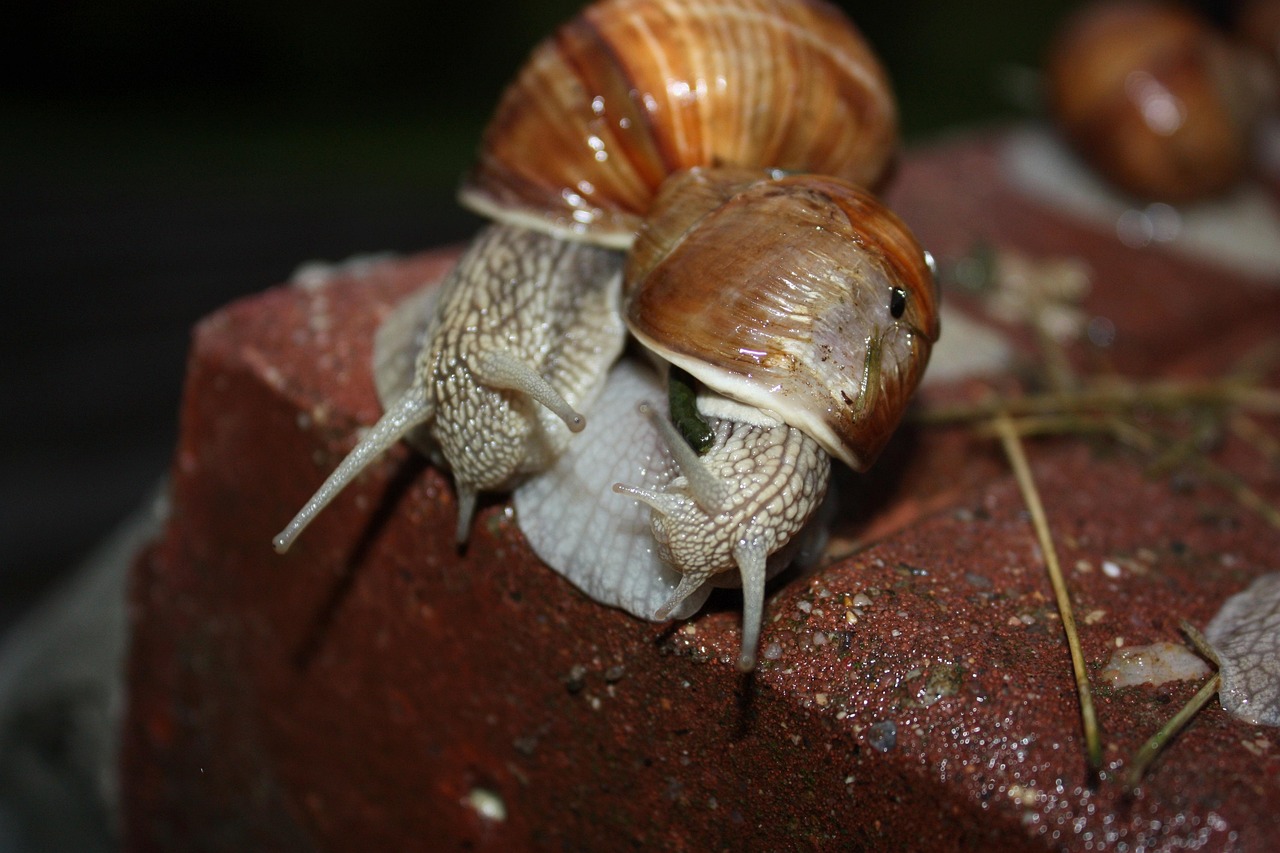
Spiky, striped and surprisingly effective at grazing algae, the zebra thorn snail brings both function and visual intrigue to freshwater tanks. This zebra thorn snail care guide covers Clithon corona, a small nerite relative whose shell features rows of pronounced spines and bold black-and-gold banding. Gensou Aquascaping in Singapore considers it one of the more interesting gastropod options for planted aquariums, combining genuine algae-cleaning ability with an appearance that draws attention in any setup.
Identification and Origin
Clithon corona belongs to the Neritidae family and is found across Southeast Asia, including parts of Indonesia, the Philippines and surrounding island chains. Adults reach 1.5-2.5 cm in shell diameter, not counting the spines that project another 3-5 mm outward. Shell patterns vary considerably: some display crisp zebra-like stripes in gold and black, others show more olive or greenish tones with irregular banding. The horn-like spines can be sharp-tipped or slightly blunted depending on the individual and water mineral content. No two shells look exactly alike, which makes a group visually diverse.
Tank Setup
Zebra thorn snails thrive in tanks of virtually any size, from nano setups of 10 litres to large community aquariums. Provide hard surfaces for grazing: glass walls, smooth rocks, driftwood and broad-leaved plants like Anubias and Bucephalandra. They do best in mature tanks with established biofilm and algae growth. Avoid tanks that are too clean, as these snails need a food source. Substrate type does not matter much, though they navigate sand and fine gravel more easily than coarse chunks. Ensure the tank has a tight-fitting lid; like most nerites, Clithon corona occasionally climbs above the waterline and can escape from open-top tanks.
Water Parameters
Hard, alkaline water promotes healthy shell growth and strong spine formation. Aim for pH 7.2-8.2 and GH 8-15. Singapore’s tap water is soft at GH 2-4, so you will need to supplement hardness using crushed coral, mineral stones or a GH-raising product. Without adequate calcium and magnesium, shells become thin and spines erode. Temperature between 22 °C and 28 °C suits them well. In Singapore’s warm climate, no heater is necessary, but avoid placing the tank in direct sunlight where temperatures can spike above 30 °C. Weekly 20-25% water changes with dechlorinated, remineralised water maintain stable conditions.
Algae Control Ability
Zebra thorn snails are effective grazers of green spot algae, soft green algae, diatoms and biofilm. A group of five to six snails keeps a 60-litre tank noticeably cleaner. They rasp surfaces methodically, leaving visible trail patterns in algae films. They do not eat hair algae, black beard algae or cyanobacteria, so manage expectations accordingly. In tanks with minimal algae growth, supplement their diet with blanched vegetables like zucchini and spinach, or algae wafers broken into small pieces. Hungry snails that run out of food will gradually starve, as they cannot survive on fish food alone.
Compatibility
These snails are entirely peaceful and compatible with virtually all community fish, shrimp and other invertebrates. Their spiny shells provide some deterrent against predatory fish, though dedicated snail-crushers like puffer fish and large loaches will still make short work of them. They coexist beautifully with Neocaridina and Caridina shrimp, sharing algae and biofilm without competition issues. Keep them alongside other nerite species, mystery snails or Malaysian trumpet snails without any conflict. The only downside is that females may deposit small white egg capsules on hard surfaces, which are unsightly but easy to scrape off and do not hatch in freshwater.
Breeding and Reproduction
Like all nerites, Clithon corona requires brackish or saltwater conditions for successful larval development. Eggs laid in freshwater will not hatch. This is actually advantageous for most hobbyists, as it prevents unwanted population explosions. Females glue small, sesame-seed-sized white egg capsules to rocks, wood and glass. These capsules are hard and tenacious, requiring a razor blade or credit card to remove. If you want to breed them deliberately, you would need a brackish rearing tank at specific gravity 1.005-1.010, phytoplankton cultures for larvae, and considerable patience. Most hobbyists simply purchase new snails as needed.
Health and Lifespan
Zebra thorn snails live 2-3 years with proper care. Shell erosion is the most common issue, almost always caused by insufficient mineral content in the water. Pitting, thinning and loss of spines indicate that GH and KH need to be raised. Copper exposure from medications or fertilisers is lethal, so check product labels carefully before dosing a tank with snails. These snails typically cost $2-$4 each in Singapore at shops or online through Shopee and Carousell. A group of six provides good algae management and adds a visually unique element that sparks conversation among visitors to your aquarium.
Related Reading
- Zebra vs Horned Nerite Snail: Which Is Better for Your Tank?
- How to Breed Assassin Snails: Slow but Steady Reproduction
- Assassin Snail vs Pest Snails: How Effective Are They Really?
- Black Devil Snail Care Guide: Faunus ater in Planted Tanks
- Blue Mystery Snail Care Guide: Sky-Blue Shell and Gentle Nature



