
Cynotilapia Afra Care Guide: Cobalt and Yellow Mbuna
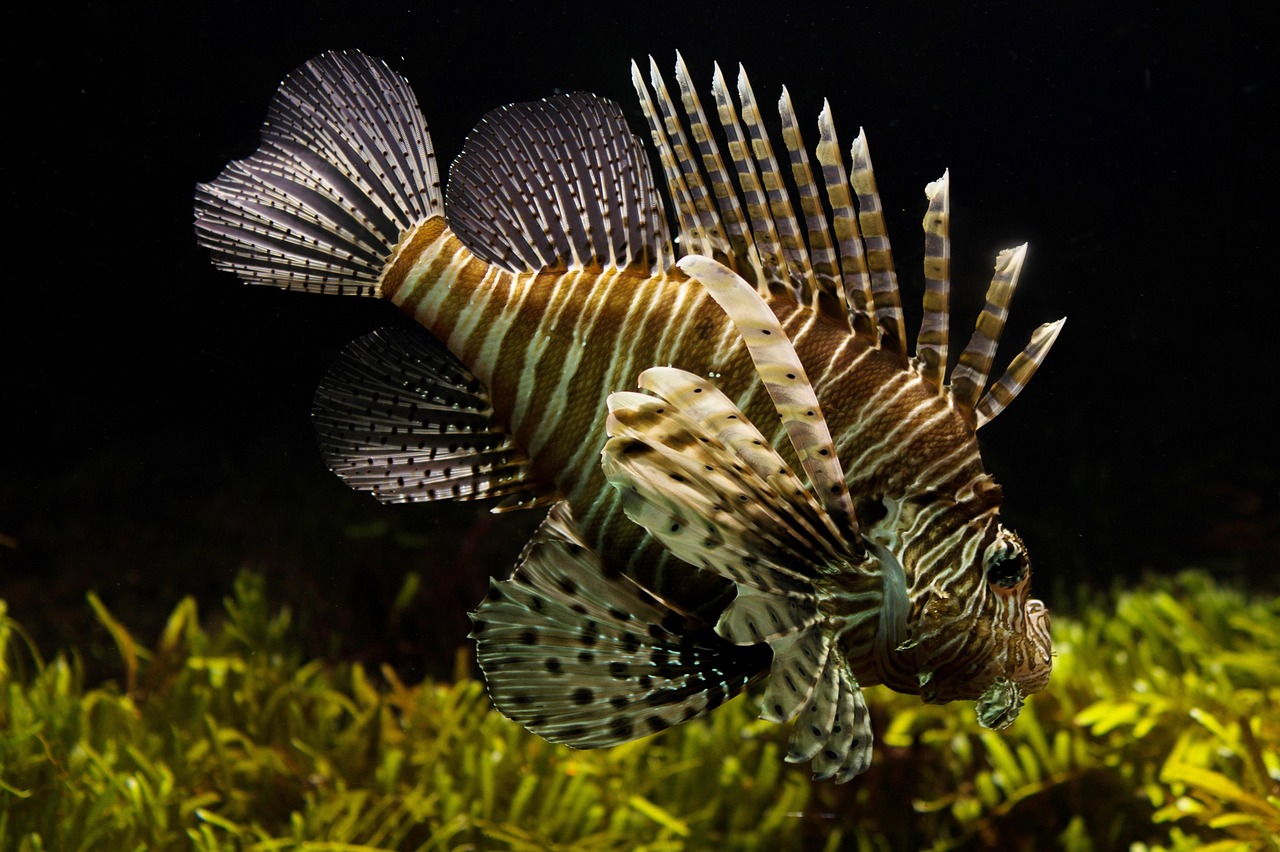
Among the most vibrant mbuna in the hobby, Cynotilapia afra delivers electric blues, bold yellows, and striking barred patterns in a relatively compact package. This cynotilapia afra care guide from Gensou Aquascaping at 5 Everton Park, Singapore, covers everything you need to keep these Lake Malawi rock dwellers healthy and colourful. With the right setup and a little understanding of mbuna social dynamics, even intermediate keepers can succeed with this rewarding species.
Species Overview and Variants
Cynotilapia afra hails from the rocky coastlines of Lake Malawi, where dozens of geographical colour morphs exist. Popular variants in the Singapore trade include Cobalt Blue, Jalo Reef (yellow dorsal), and Edwardi — each displaying distinct patterning while sharing the same care requirements. Adults reach 10-12 cm, making them one of the smaller mbuna. Their unicuspid teeth distinguish them from the closely related Metriaclima genus and reflect a diet that includes more zooplankton than typical algae-scraping mbuna.
Tank Size and Aquascaping
A 200-litre tank works for a single-species group, but 300 litres or more is advisable if you plan a mixed mbuna community. Rock structures are non-negotiable — pile them high to create caves, crevices, and line-of-sight barriers. Each dominant male will claim a cave as his territory, and subordinates need escape routes. Use ocean rock or limestone to help buffer pH. Sand substrate allows natural digging behaviour; expect the fish to rearrange it constantly.
Water Chemistry for Singapore Conditions
Lake Malawi water is hard and alkaline — pH 7.8-8.6, GH 8-12, KH 6-10. Singapore’s soft tap water requires buffering with crushed coral in the filter, limestone in the aquascape, or a dedicated Malawi salt mix. Temperature should sit between 24-27 °C; our ambient climate keeps tanks in range year-round without a heater, though a small clip-on fan prevents summer spikes above 28 °C. Weekly 30% water changes are essential, and always dechlorinate to neutralise PUB’s chloramine.
Feeding for Colour and Health
Cynotilapia afra have a slightly more omnivorous diet than strict herbivore mbuna like Tropheus, but the same caution applies: avoid high-fat, high-protein foods that cause bloat. A quality spirulina flake should form the daily staple. Supplement two to three times weekly with frozen daphnia, cyclops, or mysis shrimp. Blanched zucchini and spinach add variety and fibre. Feed in small portions twice daily — these fish eat quickly and any excess sinks to fuel nitrate spikes.
Aggression and Stocking Strategy
Mbuna aggression is real, and underestimating it is the most common beginner mistake. Keep Cynotilapia afra in groups of at least eight, with a ratio of one male to three or four females. Overstocking slightly — counterintuitive as it sounds — disperses aggression so no single fish becomes a constant target. Avoid mixing with mbuna of similar colour or pattern to reduce cross-species aggression. Good tankmates include Labidochromis caeruleus (yellow labs) and Iodotropheus sprengerae (rusty cichlid), both of which look sufficiently different.
Breeding Behaviour
Like most mbuna, Cynotilapia afra are maternal mouthbrooders. The male displays intensely near his cave, and a receptive female follows him inside to spawn. She collects the eggs in her mouth and incubates them for 18-21 days, during which she refuses food entirely. Brood sizes range from 10 to 30 depending on the female’s size. Stripping at day 18 and tumbling the fry in a breeder net improves survival rates significantly. Free-swimming fry accept crushed flake immediately.
Breeding colonies produce fry regularly in Singapore, and juveniles sell for $3-8 each depending on the colour morph. Jalo Reef variants typically command a premium.
Common Health Concerns
Malawi bloat remains the primary risk. Symptoms — lethargy, white faeces, abdominal swelling — escalate fast and can kill within 48 hours if untreated. Prevention through proper diet and pristine water quality is paramount. Ich occasionally appears after temperature fluctuations; raise the temperature to 30 °C gradually and add aquarium salt at 2 grams per litre as a first response. Maintaining stable parameters is far easier than treating disease after the fact.
A Rewarding Mbuna for Singapore Hobbyists
With their manageable size, spectacular colours, and entertaining territorial displays, Cynotilapia afra deserve a spot on any mbuna enthusiast’s shortlist. This cynotilapia afra care guide gives you the essentials — from water chemistry adjustments specific to our local tap water to stocking ratios that keep aggression in check. Set up the right environment, feed responsibly, and these hardy cichlids will reward you with years of dynamic behaviour and breeding success.
Related Reading



