
Aulonocara Jacobfreibergi Care Guide: The Eureka Red Peacock
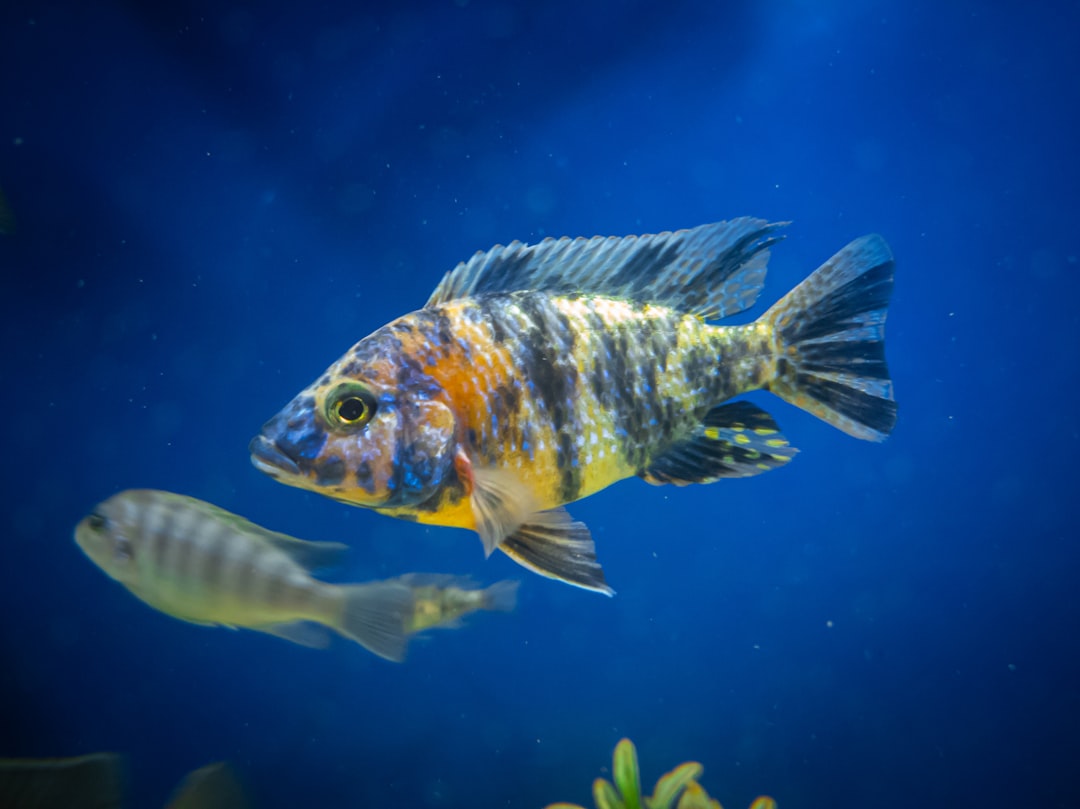
The Eureka Red Peacock is arguably one of the most eye-catching cichlids to emerge from Lake Malawi’s diverse shores. This aulonocara jacobfreibergi care guide from Gensou Aquascaping at 5 Everton Park, Singapore, covers the essentials of keeping and breeding these vibrant fish. With males displaying intense red-orange flanks against metallic blue faces, it is easy to see why Aulonocara jacobfreibergi remains a favourite among Malawi enthusiasts locally and worldwide.
Origin and Colour Variants
Aulonocara jacobfreibergi hails from the rocky-sandy transition zones of Lake Malawi, particularly around Otter Point and Cape Maclear. Several line-bred variants exist in the hobby — Eureka Red, Lemon Jake, and Undu Reef among them. Males reach approximately 13-15 cm, females around 10-12 cm. Wild-type males show a blue face and dorsal with vivid orange-red body panels, while line-bred Eureka Reds amplify that red colouration dramatically.
Ideal Tank Conditions
A 300-litre aquarium is the recommended minimum for a small group. Provide a sandy substrate — Peacock cichlids are sonar hunters that sift sand to detect invertebrates hiding below. Scatter a few rock formations along the back and sides for shelter, but leave open swimming space in the centre. Water parameters should target pH 7.5-8.2 and GH 8-15. Since Singapore’s tap water sits at GH 2-4, buffer with crushed coral or a Malawi salt mix to reach appropriate hardness levels.
Temperature and Cooling
Jacobfreibergi do well between 24-27°C. Singapore’s ambient room temperature often hovers around 29-31°C, which can push your tank above the comfort zone. A clip-on fan blowing across the water surface typically drops temperature by 2-3°C through evaporative cooling. Alternatively, a small chiller unit works for dedicated fish rooms. Stable temperature matters more than hitting an exact number — avoid swings of more than 2°C in a single day.
Feeding for Optimal Colour
Peacock cichlids are omnivores leaning carnivorous, unlike their herbivorous mbuna cousins. A quality cichlid pellet with moderate protein (40-45%) forms the staple. Frozen foods like brine shrimp, mysis shrimp, and daphnia offered two to three times per week enhance colour and condition. Spirulina flakes once a week add dietary variety. Feed twice daily in portions consumed within two minutes — overfeeding degrades water quality quickly in hard-water setups.
Tankmates and Social Behaviour
Jacobfreibergi males are moderately territorial but far less aggressive than mbuna. Keep one male with three to four females to prevent harassment of any single individual. Compatible companions include other Aulonocara species (avoid closely related variants that may hybridise), Copadichromis, and mild-mannered haplochromines. Steer clear of boisterous mbuna, which tend to outcompete and stress Peacocks during feeding. A group of Synodontis multipunctatus catfish makes an excellent bottom-dwelling addition.
Breeding and Fry Care
Breeding follows the typical Malawi mouthbrooding pattern. Males dig shallow pits in the sand and display with quivering fins to entice females. After spawning, the female holds 20-40 eggs in her mouth for roughly 21 days. She will not eat during this period and may appear noticeably thinner. To maximise fry survival, transfer the holding female to a separate 40-litre brooding tank around day 14. Released fry accept crushed flake and baby brine shrimp immediately.
Health Considerations
Bloat is less common in Peacocks than in mbuna but still occurs if the diet is too rich or water quality slips. Keep nitrates below 20 ppm with weekly 30-40% water changes. Treat PUB tap water with a dechlorinator that neutralises chloramine — standard chlorine removers alone are insufficient. Watch for early signs of hole-in-the-head disease, which occasionally affects Aulonocara; maintaining varied nutrition and clean water is the strongest prevention.
Sourcing and Cost in Singapore
Eureka Red Peacocks are regularly stocked at shops around Serangoon North Avenue 1 and on Shopee or Carousell from local breeders. Juveniles typically cost $6-$12, while fully coloured males may fetch $20-$35. Investing in quality broodstock pays off — a properly maintained aulonocara jacobfreibergi male in peak colour is a living jewel that commands attention in any display tank.
Related Reading



