
Telmatochromis Vittatus Care Guide: Striped Shell Dweller
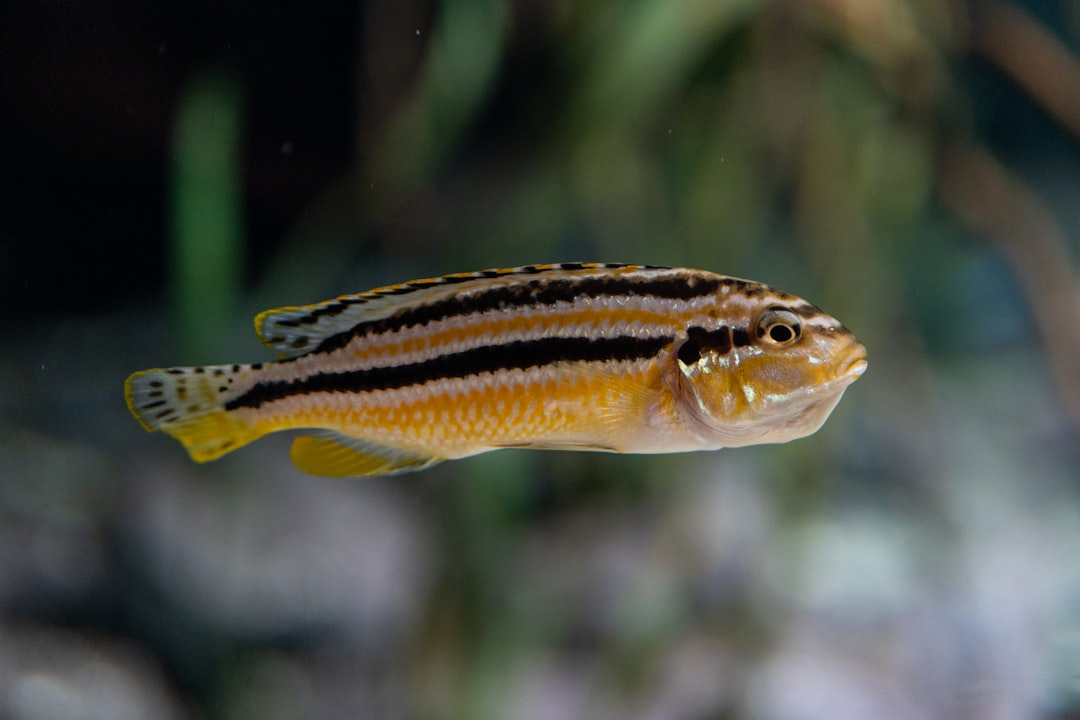
Shell-dwelling cichlids from Lake Tanganyika are some of the most fascinating fish you can keep in a small aquarium, and Telmatochromis vittatus is one of the hardiest among them. This telmatochromis vittatus care guide from Gensou Aquascaping at 5 Everton Park, Singapore, explains how to set up a proper shell bed, maintain alkaline water conditions, and breed these engaging striped cichlids at home. Despite their small size — typically under 8 cm — they pack enormous personality.
Natural Habitat and Behaviour
Telmatochromis vittatus inhabits the shell beds and rocky shorelines of Lake Tanganyika in East Africa. Unlike obligate shell dwellers such as Neolamprologus multifasciatus, T. vittatus is a facultative shell user — it readily adopts empty snail shells for shelter and breeding but also colonises rock crevices. In the aquarium, providing both options gives you the most natural behaviour. Males establish territories around a cluster of shells and defend them vigorously against intruders.
Tank Size and Layout
A pair or trio can thrive in a tank as small as 60 litres, making this species ideal for Singapore hobbyists with limited space. Use fine sand as substrate — at least 3 cm deep so the fish can dig around their shells. Scatter 8-12 escargot shells or Neothauma shells across the sand bed, spaced roughly 15 cm apart. Add a few rocks or small pieces of driftwood to break sightlines. Avoid densely planted setups; Tanganyikan cichlids prefer open sand with sparse decor.
Water Parameters
Tanganyikan species need hard, alkaline water: pH 7.8-9.0, GH 8-15, KH 10-20. Singapore’s soft, slightly acidic tap water requires buffering. Aragonite sand as substrate combined with a bag of crushed coral in the filter provides steady mineral release. Temperature should sit at 24-27 °C. Since room temperature here often exceeds 28 °C, a small clip-on fan helps prevent overheating during warmer months. Perform 25-30% water changes weekly, always treating for chloramine with a reliable dechlorinator.
Diet and Feeding
In the wild, T. vittatus feeds on small invertebrates, biofilm, and algae scraped from rock surfaces. A quality micro-pellet cichlid food forms a solid staple. Supplement with frozen cyclops, baby brine shrimp, and daphnia two to three times weekly to promote condition and colour. These fish have small mouths, so crush larger pellets if needed. Feed sparingly — two small meals per day rather than one large one reduces waste and keeps water quality high.
Aggression and Tankmates
Despite their modest size, male T. vittatus are remarkably territorial. They will chase and nip at anything that ventures near their shell cluster. Keep only one male per small tank. In setups above 150 litres, you can pair them with other Tanganyikan species that occupy different zones — Cyprichromis leptosoma in the open water column or Julidochromis ornatus along the rock line. Avoid mixing with other shell dwellers, as territorial disputes become intense in confined spaces.
Breeding in Captivity
Breeding is one of the main attractions of keeping this species. The male entices a female into his chosen shell, where she deposits 10-25 eggs on the inner wall. She guards the clutch while the male patrols the perimeter. Eggs hatch in approximately 3 days, and fry become free-swimming after another 7-8 days. The parents exhibit extended brood care, shepherding the fry for several weeks. Feed fry with vinegar eels or freshly hatched brine shrimp nauplii for the best growth rates.
Health and Longevity
With proper care, Telmatochromis vittatus can live 5-8 years in captivity. The most common health issue is fin rot caused by poor water quality or aggression injuries. Maintain low nitrate levels — below 20 ppm — and the risk drops significantly. Bacterial infections respond well to aquarium salt baths at 1 tablespoon per 20 litres for mild cases. For persistent infections, a broad-spectrum antibiotic from a local fish shop along Serangoon North Avenue 1 is the next step.
Where to Buy in Singapore
Tanganyikan cichlids are less commonly stocked than their Malawi counterparts, but specialist shops and Carousell sellers regularly bring in T. vittatus. Expect to pay $8-15 per juvenile. Always quarantine new arrivals for two weeks before introducing them to an established tank — a practice Gensou Aquascaping strongly recommends for all cichlids.
Related Reading



