
How to Aquascape a Sulawesi Shrimp Display Tank
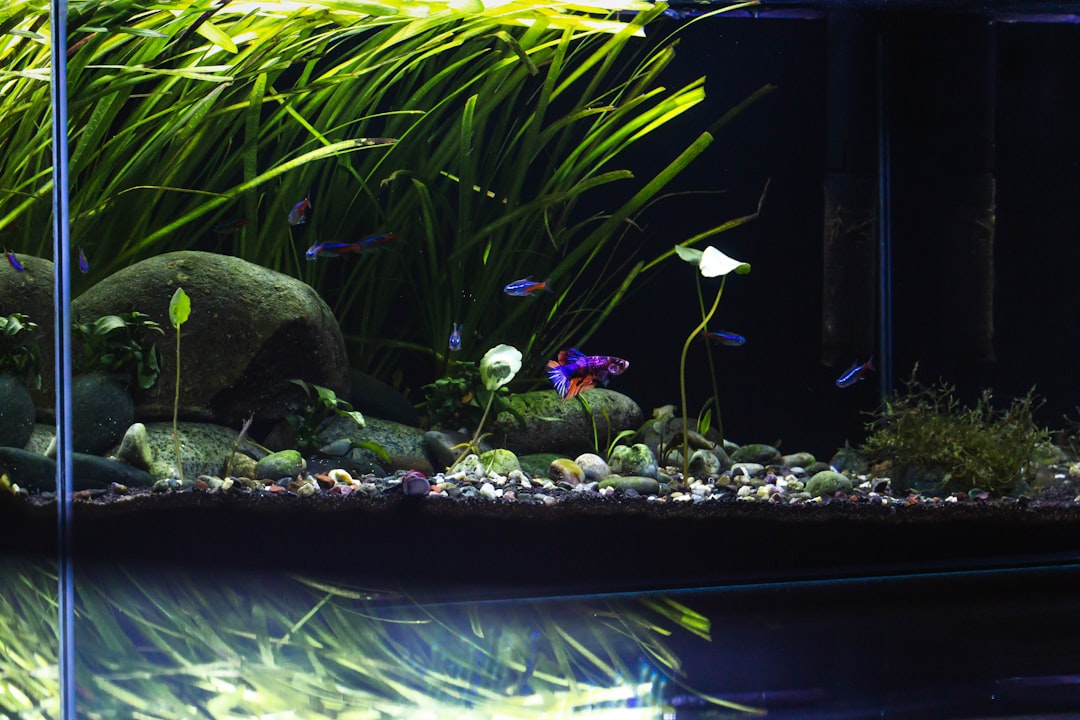
Sulawesi shrimp are the jewels of the freshwater invertebrate world — tiny, vividly coloured, and notoriously demanding. Species like Caridina dennerli (cardinal shrimp) and Caridina woltereckae require alkaline, mineral-rich water that differs sharply from typical planted tank conditions. Building an aquascape for a Sulawesi shrimp display means designing around their unique needs rather than forcing them into a conventional layout. Gensou Aquascaping in Singapore has maintained Sulawesi setups for years and shares our hard-won lessons here.
Understanding the Sulawesi Lake Environment
These shrimp originate from the ancient lakes of Sulawesi, Indonesia — Lake Poso and the Malili lake system. Water there is warm (27-30 °C), alkaline (pH 7.5-8.5), and moderately hard (GH 6-8, KH 4-6). The substrate is rocky with minimal vegetation. Biofilm-coated rocks and porous stone surfaces are the primary grazing habitat. Replicating these conditions is non-negotiable; Sulawesi shrimp simply do not survive in soft, acidic water.
Tank Size and Setup
A 30-45 litre tank is the sweet spot. Larger volumes provide more parameter stability, but Sulawesi shrimp breed slowly and benefit from a concentrated food supply in a smaller space. Use a bare bottom or a thin layer of inert coral sand to buffer pH naturally. Avoid aqua soil entirely — it acidifies water, the opposite of what these shrimp need. Sponge filtration rated for twice the tank volume provides gentle flow and additional grazing surface.
Rock Selection and Arrangement
Porous rocks are essential. Lava rock, holey limestone, and Sulawesi-origin rock (sometimes available from specialist importers) provide vast surface area for biofilm colonisation. Stack rocks to create caves, crevices, and overhangs where shrimp shelter and graze. Leave gaps wide enough for shrimp to pass through but narrow enough to feel enclosed. Avoid stacking higher than half the tank height — Sulawesi shrimp spend most of their time on rock surfaces rather than swimming in open water.
Minimal Planting Approach
Dense planting competes with the alkaline, mineral-rich water these shrimp require. Most common aquarium plants prefer softer, more acidic conditions and struggle in pH 8.0+ water. Vallisneria nana tolerates hard, alkaline water and can be planted sparingly between rocks. Java moss attached to stone provides additional grazing surface. Some keepers add Cladophora moss balls purely as biofilm habitats. Keep plant mass low — the focus should be rock, biofilm, and shrimp.
Water Parameters and Remineralisation
Start with RO or distilled water and remineralise using a Sulawesi-specific mineral salt like SaltyShrimp Sulawesi Mineral 8.5. This achieves the correct GH, KH, and pH in one step. Singapore’s PUB tap water is too soft and slightly acidic for Sulawesi shrimp even after dechlorination, so RO remineralisation is the safest route. Target parameters: pH 7.8-8.2, GH 6-8, KH 4-5, TDS 180-250. Test weekly and adjust your mineral dosing as needed.
Temperature and Heating
Singapore’s ambient temperature of 28-30 °C falls within the natural range for Sulawesi shrimp — a heater is rarely required. However, air-conditioned rooms that drop below 26 °C overnight may need a small 25W heater set to 28 °C. Temperature stability matters more than the exact number; avoid swings greater than 2 °C within a 24-hour period. A digital thermometer with a min/max memory function helps you monitor overnight dips.
Feeding for Biofilm and Colour
Sulawesi shrimp graze biofilm almost exclusively. Supplementary feeding should be minimal — a tiny pinch of powdered spirulina or specialised shrimp food like Bacter AE two to three times per week encourages biofilm growth on rock surfaces without polluting the water. Overfeeding is the fastest way to crash a Sulawesi tank. Remove any uneaten food after two hours. Healthy biofilm appears as a thin, brownish-green coating on rocks; if your rocks look sterile and clean, the shrimp are likely underfed.
Patience and Realistic Expectations
Sulawesi shrimp breed slowly — a female carries just 10-15 eggs per clutch, and larvae develop directly without a planktonic stage. Building a colony from a starter group of 10-15 shrimp takes six months to a year. Losses during acclimatisation are common even for experienced keepers. Drip-acclimate new arrivals over two to three hours minimum. The reward for your patience is a display tank of genuinely rare, gem-like shrimp grazing across a rocky landscape — one of the most captivating sights in the nano hobby.
Related Reading



