
Dimidiochromis Compressiceps Care Guide: The Malawi Eye-Biter
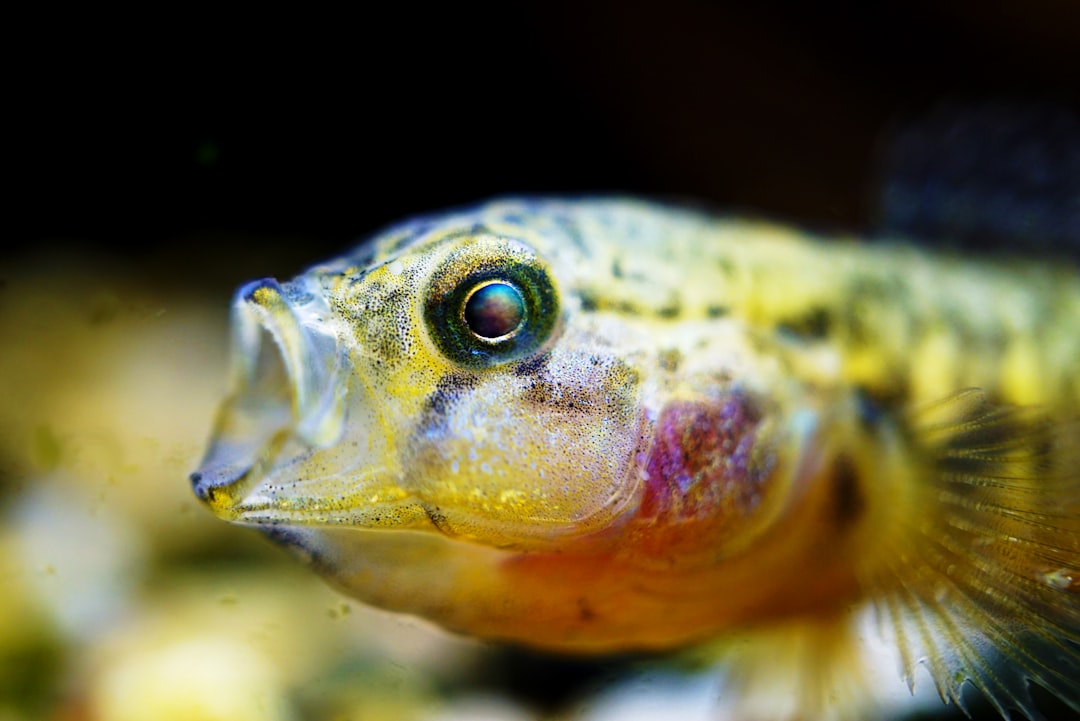
Few Malawi cichlids look quite as menacing as Dimidiochromis compressiceps, the laterally compressed predator nicknamed the Eye-Biter. This dimidiochromis compressiceps care guide from Gensou Aquascaping at 5 Everton Park, Singapore, covers everything you need to keep this striking haplochromine thriving. Despite the fearsome reputation, D. compressiceps is a manageable predator when given the right conditions. Understanding its natural behaviour is the key to long-term success.
Natural Habitat and Background
Dimidiochromis compressiceps is endemic to Lake Malawi, where it hunts along shallow reed beds and sandy margins. Its body is extraordinarily thin when viewed head-on, allowing it to approach prey almost unseen. In the wild, adults reach 25 cm and occupy the upper half of the water column, lurking among Vallisneria beds to ambush smaller cichlids and juvenile fish.
Tank Size and Setup
A single specimen needs at least a 400-litre aquarium, though 500 litres or more is preferable if you plan to keep a breeding group. Length matters more than height: aim for a tank at least 150 cm long. Use fine sand substrate to mimic the sandy littoral zone and include some tall background plants such as Vallisneria gigantea to provide the ambush cover this species instinctively seeks. Rockwork should be minimal, limited to one or two clusters along the back wall to create territory markers without crowding the swimming space.
Water Parameters
Maintain a pH of 7.6 to 8.6 and a general hardness of 10-18 dGH. Singapore’s PUB tap water is naturally soft at GH 2-4, so you will need to buffer with a Malawi cichlid salt mix or crushed coral in your filter. Temperature should sit between 24 and 28 °C. In most HDB flats, ambient room temperature stays within this range without a heater, though a chiller or fan may be necessary during especially hot stretches above 32 °C.
Diet and Feeding
D. compressiceps is a piscivore by nature, but captive specimens adapt well to high-quality pellets. Offer a staple of cichlid pellets in the 3-5 mm range, supplemented with frozen prawns, white fish fillet, and the occasional earthworm. Feed once or twice daily, giving only what the fish consumes in about two minutes. Avoid feeder fish entirely: they carry parasites and provide poor nutrition compared to prepared foods.
Aggression and Tankmates
Despite the predatory lifestyle, D. compressiceps is moderate in aggression compared to mbuna. It can be housed with other large haplochromines and peacock cichlids, provided tankmates are too large to swallow. Good companions include Copadichromis borleyi, Protomelas taeniolatus, and larger Aulonocara species. Any fish under 8 cm will eventually become a meal, so choose wisely. Keep only one male per tank unless the aquarium exceeds 600 litres.
Colouration and Sexual Dimorphism
Juvenile fish are silvery with a dark lateral stripe running from snout to caudal peduncle. Mature males transform dramatically, developing an intense metallic blue across the body with orange-red anal fin egg spots. Females retain the silver-brown base colour throughout their lives. Full male colouration typically appears around 12-15 cm, roughly 10-14 months of age depending on diet and water quality.
Breeding in the Home Aquarium
This maternal mouthbrooder is not difficult to breed once you have a dominant male in full colour. Provide a flat sandy area free of obstructions where the male can display. After spawning, the female holds 40-80 eggs for approximately 21 days. Remove the holding female to a separate brooding tank if possible, as she will not eat during the incubation period and can lose condition quickly in a community setting. Fry are large enough to accept crushed pellets and baby brine shrimp from day one.
Common Health Issues
Malawi bloat is the primary concern with any Lake Malawi haplochromine. Maintain excellent filtration, keep nitrate below 20 ppm, and avoid overfeeding to reduce the risk. Bloat often presents as a swollen abdomen and white, stringy faeces. If caught early, a course of metronidazole in a hospital tank can resolve it. Regular 30-40% weekly water changes are essential, and always treat new water with a dechlorinator that neutralises chloramine, which is used in Singapore’s water supply.
Related Reading



