
How to Breed Scarlet Badis: Micro Predator Courtship and Fry
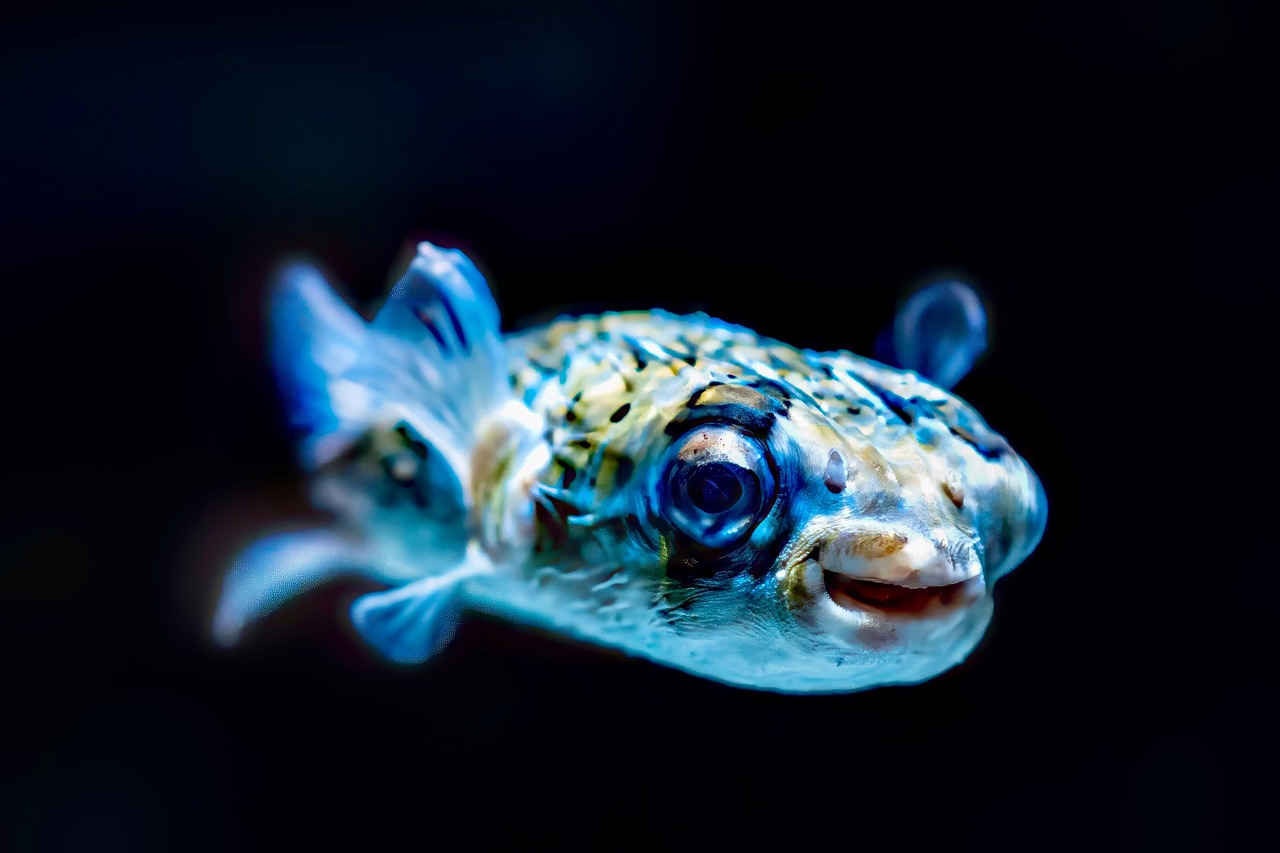
The scarlet badis (Dario dario) may be one of the smallest predatory fish in the freshwater hobby, but its breeding behaviour is as complex as any cichlid’s. This breed scarlet badis guide from Gensou Aquascaping at 5 Everton Park, Singapore, walks you through courtship displays, spawning setups, and the challenge of raising near-microscopic fry. Males in full breeding dress, barely 2 cm long, rival marine fish for sheer intensity of colour.
Selecting and Conditioning Breeders
Males are easy to identify by their vivid red and blue barring; females are plain silvery-grey and slightly smaller. Source your fish from a reputable local shop or Carousell seller who can confirm the group includes both sexes, as females are frequently absent from shipments. Condition breeders for two weeks on a diet of live foods: daphnia, grindal worms, and baby brine shrimp. Frozen foods are often ignored, so live cultures are practically essential for this species.
Breeding Tank Setup
A 20-litre nano tank is ideal. Fill with soft, slightly acidic water at pH 6.0-7.0 and GH 2-6. Singapore’s tap water falls within this range naturally after dechlorination, which gives local breeders a genuine advantage. Plant the tank densely with Java moss, Fissidens fontanus, or other fine-textured mosses. Add a small terracotta cave or coconut shell half, as males prefer to spawn in a sheltered cavity. Lighting should be subdued: floating plants help create the dappled, shaded environment this forest-stream species prefers.
Courtship and Spawning
Place one male with two females in the breeding tank. The male intensifies his colour dramatically and begins a shimmering lateral display near his chosen cave. He flares his fins and vibrates rapidly, attempting to lure a female inside. Spawning occurs within the cave, where the female deposits 30-80 tiny adhesive eggs on the ceiling or walls. The entire event can be over in minutes, so watch carefully during morning hours when activity peaks. Remove the females after spawning, as the male guards the eggs alone.
Egg Care and Hatching
The male fans and defends the eggs for two to three days until they hatch at 25-27 °C. Fry absorb their yolk sac over another 48 hours. Once they become free-swimming, remove the male to prevent accidental predation. Some breeders prefer to remove the male immediately after spawning and let the eggs develop unattended with a drop of methylene blue to prevent fungus. Either approach works, though paternal care generally yields higher hatch rates.
Raising the Fry
Free-swimming fry are tiny, around 3-4 mm, and require infusoria or paramecium as a first food for the initial five to seven days. Vinegar eels are another excellent starter food due to their constant motion in the water column. Transition to freshly hatched baby brine shrimp once the fry are large enough to swallow them, typically at ten days old. Growth is slow: expect roughly 1 cm at six weeks. Small, frequent feedings of three to four times daily produce the best survival rates.
Water Quality During Rearing
In a small fry tank, water quality deteriorates quickly. Perform 10% water changes every other day using aged water of identical temperature and chemistry. A mature sponge filter on the lowest airflow setting keeps the tank cycled without creating dangerous suction. Keep the temperature stable at 26 °C; Singapore’s ambient warmth makes this straightforward in most rooms, though air-conditioning can cause overnight dips that stress delicate fry.
Growing Out and Sexing Juveniles
Young scarlet badis begin showing sex-specific colouration at around eight to ten weeks. Males develop faint red bars first, intensifying over the following month. Separate juveniles into a larger growing-out tank once they reach 1 cm, as dominant males can bully smaller siblings in confined spaces. A 40-litre planted tank with plenty of visual barriers works well for a group of 15-20 juveniles. By four months, you should have colourful young males ready for sale or display in your own nano setups.
Related Reading
- Scarlet Badis Diet and Live Food Guide: Feeding Micro Predators
- Scarlet Badis Tank Mates: Micro Predator Compatible Species
- How to Breed Amano Shrimp: The Challenging but Rewarding Process
- How to Breed Assassin Snails: Slow but Steady Reproduction
- How to Breed Bamboo Shrimp: Larval Stages and Brackish Requirements



