
How to Choose the Right Aquarium Background Colour
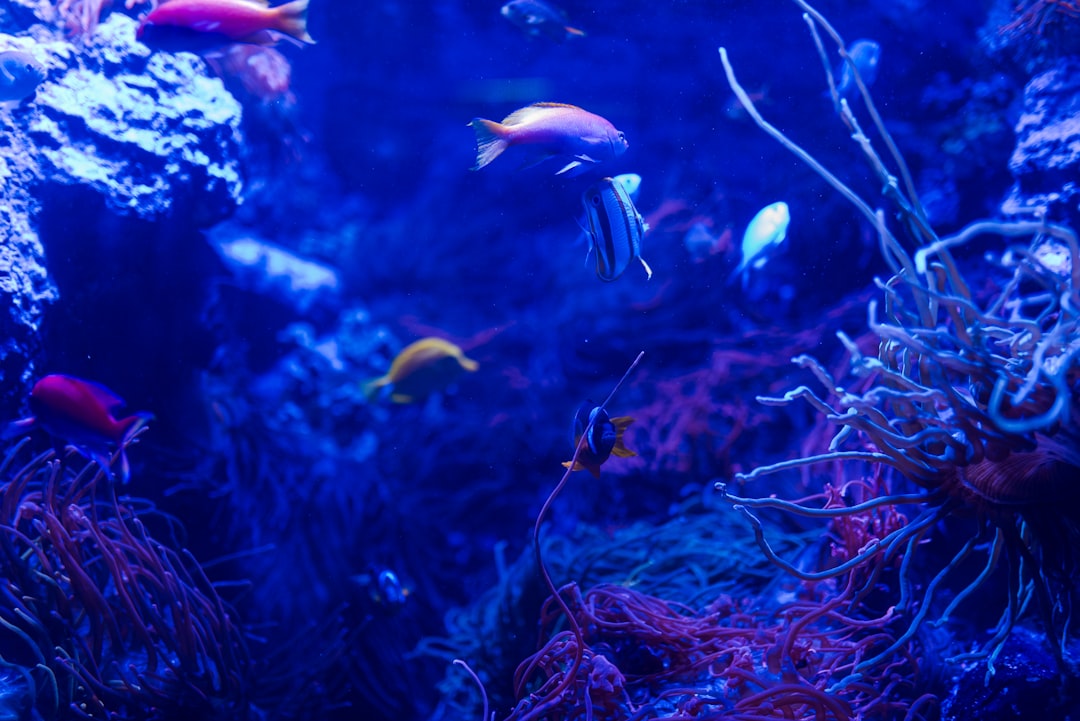
The background of your aquarium is one of the most overlooked elements in tank design, yet it dramatically affects how fish, plants, and hardscape appear to the viewer. A thoughtful choose aquarium background colour guide saves you from the common mistake of slapping on whatever film was cheapest at the shop. Gensou Aquascaping at 5 Everton Park, Singapore, considers background selection a fundamental design decision on every project we build. The right colour ties the entire composition together.
Black: The Classic Choice
Black backgrounds are popular for good reason. They create an illusion of infinite depth, make fish colours pop, and hide equipment like filter pipes and heater cables mounted on the rear glass. Neon tetras, cherry shrimp, and red-leaved plants like Rotala macrandra look particularly striking against pure black. Dark substrates paired with a black background create a seamless visual field that draws the eye to the midground.
The main drawback is that dark-bodied fish, such as black phantom tetras or certain pleco species, can disappear against it. If your stocking list leans heavily toward dark species, consider an alternative.
White and Frosted: Clean and Contemporary
White backgrounds suit minimalist aquascapes inspired by the ADA Nature Aquarium style. They give the tank a bright, airy feel and make green plants appear lush and vivid. Frosted or semi-opaque white film diffuses light from behind, creating a soft, even glow that eliminates hard shadows. This look pairs well with iwagumi layouts where stone and carpet plants are the focus.
White does show algae growth on the rear glass more readily, so expect to clean the inside of the back panel every one to two weeks. It also reveals any equipment or tubing that runs behind the tank, so plan your plumbing neatly.
Blue: Depth and Ocean Feel
Gradient blue backgrounds, darker at the top fading to lighter at the bottom, mimic open-water depth and suit marine-inspired freshwater setups. They work particularly well with silver-bodied fish like rummy-nose tetras or rainbowfish, whose metallic scales reflect the blue tones. Avoid vivid royal blue, which can look artificial. A muted slate blue or navy reads as more sophisticated.
Painted vs Film vs LED Backlighting
Adhesive vinyl film is the easiest option and costs $5-15 for a standard 60 cm panel at local aquarium shops or on Shopee. Apply it to the outside of the rear glass with a squeegee, ensuring no air bubbles remain. Painting the exterior with latex or acrylic paint offers a more permanent, perfectly smooth finish. Two coats of Nippon Paint flat black or white, available at any hardware store in Singapore for under $10, works well and peels off with a razor blade if you change your mind.
LED backlighting panels sit behind the tank and offer colour-changing capability via remote control. While versatile, they require careful diffusion to avoid hotspots and tend to highlight every imperfection on the rear glass. They suit modern condo interiors where the aquarium serves as a design feature.
Matching Background to Hardscape
Consider the dominant colour of your rocks and wood. Seiryu stone, with its grey-blue tones, looks best against black or dark grey, which emphasises the stone’s lighter veins. Warm-toned driftwood like manzanita or spiderwood pops against white or frosted backgrounds. Dragon stone‘s rusty orange texture can clash with warm-toned backgrounds, so pair it with cool neutrals instead.
A simple test before committing: hold a piece of cardboard or fabric in your chosen colour behind the tank and photograph it. Compare a few options side by side on your phone screen. Five minutes of testing prevents months of regret.
How Fish Colour Interacts With Background
Fish have chromatophores, pigment cells that expand or contract in response to their environment. Many species darken their body colour against a dark background, intensifying their natural hues. Discus, angelfish, and bettas often display their richest colours in tanks with black backgrounds and dark substrates. Conversely, fish placed against light backgrounds may pale over time. If you keep colour-morphed species like fancy guppies or German blue rams, a dark background generally enhances their appeal.
Practical Tips for a Clean Finish
Apply film or paint before setting up the tank. Wrestling with adhesive on a filled, heavy tank invites bubbles and frustration. Clean the glass thoroughly with isopropyl alcohol before application to remove any residue. For a seamless look, extend the background onto the side glass panels visible from the primary viewing angle. Trim film with a sharp craft knife for crisp edges. Your aquarium background colour choice is permanent in appearance but not in reality: swapping a background is a low-cost, high-impact way to refresh the entire look of your tank without disturbing a single fish or plant.
Related Reading



