
Freshwater Flounder Care Guide: Flat Fish for Brackish Tanks
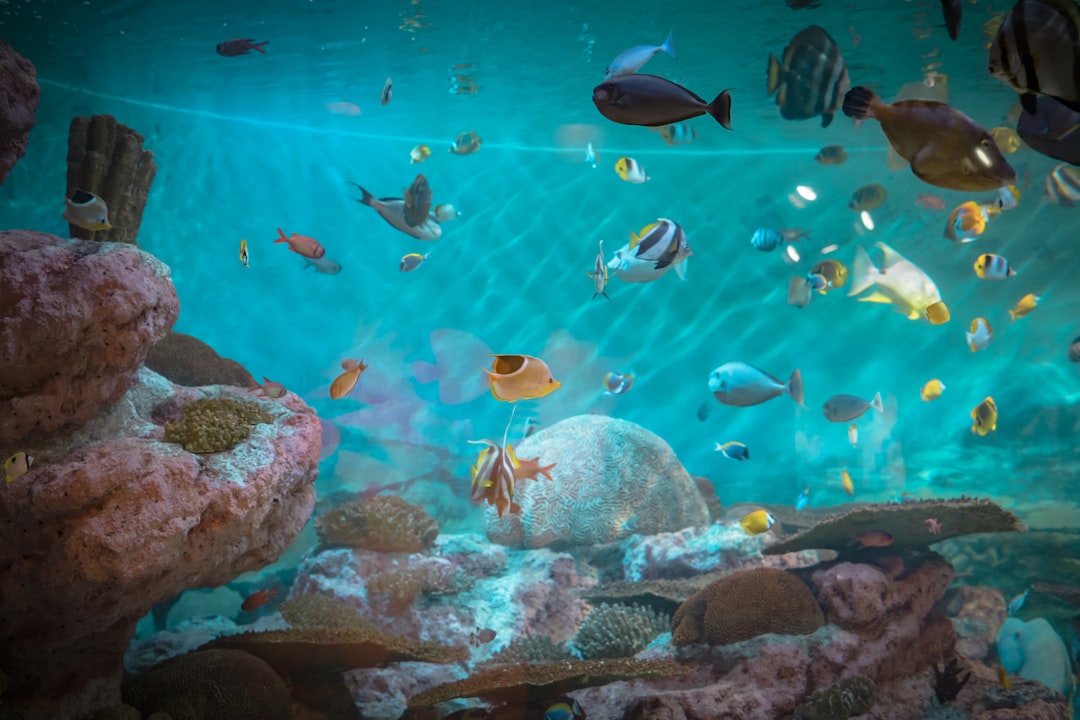
The freshwater flounder is one of aquarium keeping’s most misunderstood species — not truly freshwater, not marine, but comfortably at home in the brackish middle ground. A complete freshwater flounder care guide must start by clarifying this salinity requirement, because it is where the majority of husbandry failures begin. Gensou Aquascaping at 5 Everton Park, Singapore, has guided many hobbyists through brackish setups, and the flounder rewards the extra preparation with its remarkable camouflage ability and sedentary, personality-filled presence.
Species Identification
The fish sold as “freshwater flounder” in Singapore shops most commonly belongs to the genus Brachirus or Achirus — small flatfish reaching 8–15 cm that originate from estuarine and coastal river systems across Southeast and South Asia. They are ambush predators that lie on sandy substrates, both eyes migrating to the upper side of the body as juveniles. Their ability to change colour to match substrate is remarkable and is one of their primary appeals as display fish.
Salinity and Water Parameters
Despite the common name, true freshwater environments are unsuitable for long-term health. These fish originate from estuarine habitats where salinity fluctuates; stable brackish conditions at specific gravity 1.003–1.008 (approximately 4–10 grams of marine salt per litre) are ideal. Use marine salt (not aquarium tonic salt) to prepare brackish water consistently. pH 7.5–8.2, temperature 24–28°C, and moderate hardness (10–15 dGH) complete the parameter targets.
Singapore’s PUB tap water at GH 2–4 is on the soft side; adding salt naturally increases both ionic strength and pH, making it suitable once the correct salinity is achieved. Dechlorinate all tap water before adding salt and before it enters the tank — chloramines must be neutralised regardless of salinity.
Tank Setup
A sand substrate is non-negotiable. Freshwater flounders spend most of their time partially buried in sand, and coarser substrates prevent this natural behaviour and can cause physical abrasion. Fine play sand or aquarium-specific white sand at a depth of 5–7 cm gives them room to bury. A 80–120-litre tank suits a single fish or a pair; these are not active swimmers and do not require large open water volumes.
Keep décor minimal along the bottom — scattered smooth rocks or low-profile driftwood work well, but anything that obstructs the open sand area reduces their usable habitat. A gentle internal filter or sponge filter is preferable to strong canister flow that disturbs the substrate and stresses a bottom-dwelling fish.
Feeding Freshwater Flounders
Freshwater flounders are carnivores with a strong preference for live or frozen invertebrates. Frozen bloodworm, brine shrimp, small whole prawns, and live daphnia are accepted readily. They will not compete with fast-swimming tankmates for food — all feeding happens at or near the substrate. Target feeding with a pipette or baster, placing food directly in front of the fish, avoids waste and ensures they actually receive adequate nutrition.
Dry foods like pellets are generally refused. If you need to wean a specimen onto prepared foods, coat small sinking pellets in garlic extract or prawn juice to encourage acceptance — some individuals respond, others do not. Budget for a frozen food routine as the primary diet.
Compatible Tankmates
Brackish conditions limit your options considerably. Archerfish, monos (Monodactylus argenteus), scats, mudskippers (in appropriate setups), and brackish mollies tolerate the same salinity range. Avoid adding small fish that the flounder might engulf during its ambush strikes — anything under 3 cm is potential food. The flounder itself is entirely peaceful toward fish too large to swallow; it simply lies still and ignores them.
Health and Common Problems
Freshwater flounders are sensitive to poor water quality and especially to sudden salinity changes. A steady, consistent salinity is more important than hitting a precise number — gradual adjustments when topping off evaporated water (use freshwater to top up; only add salt during partial water changes) keep salinity stable. Common health problems include fin erosion from rough substrate or poor water quality, and ich, which appears as white grains and is treated with slightly elevated salinity (1.010) and raised temperature.
Setting Realistic Expectations
Freshwater flounders are display fish, not active community swimmers. They lie on the sand, occasionally shift position, and ambush food. This sedentary behaviour disappoints some keepers who expect more movement, but enthusiasts value them precisely for their alien appearance and camouflage behaviour. A well-designed brackish biotope with fine white sand, minimal décor, and the right tankmates showcases the flounder at its best — and this freshwater flounder care guide approach produces fish that are genuinely healthy rather than merely surviving.
Related Reading



