
How to Breed Blue Bolt Shrimp: Taiwan Bee Colour Selection
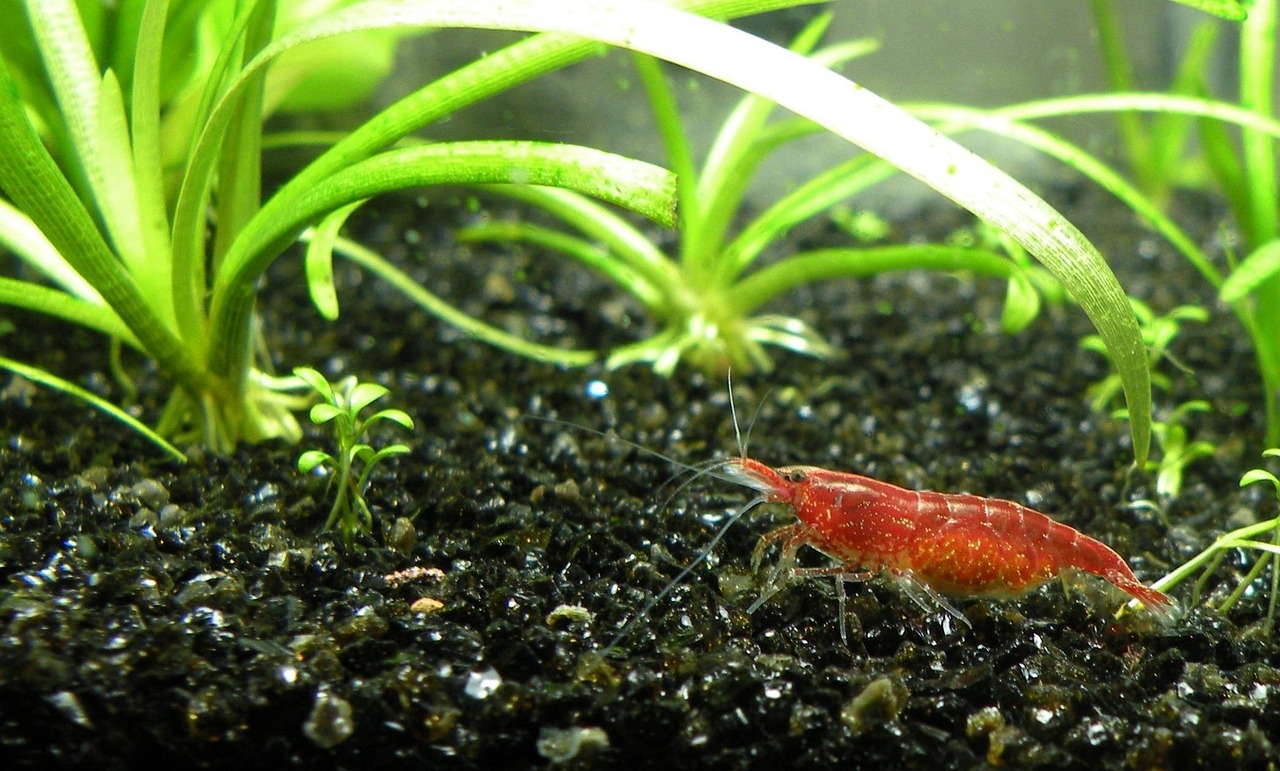
Blue Bolt shrimp represent the pinnacle of Taiwan Bee colour development — vivid sapphire blue with white banding that intensifies under good husbandry and careful selective breeding. To successfully breed blue bolt shrimp, you need to get water parameters precisely right, understand the genetics behind colour expression, and apply consistent selection pressure over multiple generations. Gensou Aquascaping at 5 Everton Park, Singapore, has worked with Taiwan Bee varieties for years, and this guide covers the practical approach that produces consistent, high-quality offspring.
Understanding Blue Bolt Genetics
Blue Bolts are a colour variant of Taiwan Bee shrimp (Caridina sp. Taiwan Bee), which themselves derive from the Caridina cantonensis lineage. The blue colouration results from selective breeding for a recessive expression of pigmentation genes — meaning both parents must carry the gene for reliable blue offspring. Pairing two Blue Bolts produces predominantly blue offspring. Crossing Blue Bolts with other Taiwan Bee varieties (Shadow Pandas, Black King Kongs) introduces genetic diversity but reduces predictability; reserve this for experienced breeders building new lines.
Colour intensity in offspring depends on the quality of the parent stock. Always breed from the most intensely coloured, cleanly patterned individuals in your colony — this is colour selection, and it is the core discipline of Taiwan Bee breeding.
Water Parameters: Non-Negotiable Precision
Taiwan Bee shrimp demand water parameters that deviate significantly from typical tropical fish. Target: pH 5.8–6.5, TDS (total dissolved solids) 100–150 ppm, GH 3–5, KH 0–1, temperature 22–24°C. These are very specific targets and must be maintained consistently. Use RO (reverse osmosis) water remineralised with a shrimp-specific mineral supplement like Salty Shrimp GH+ — never use KH buffers, as even small KH additions crash the pH into an unsuitable range for Caridina.
Singapore’s ambient temperature (28–32°C) requires a chiller set to 23°C. This is the largest infrastructure cost in a Taiwan Bee setup but is entirely non-negotiable. Sustained temperatures above 26°C reduce breeding rate, lower survival of juveniles, and eventually cause colony collapse.
Tank Setup for a Breeding Colony
A dedicated 30–60 litre tank produces the cleanest breeding environment. Use active substrate — ADA Aqua Soil Amazonia, Tropica Aquarium Soil, or similar — which buffers pH downward and provides a foraging surface rich in microfauna. Change substrate every 12–18 months as it exhausts its buffering capacity. Add a sponge filter or matured internal filter rated gently for the tank volume; Blue Bolts are tiny and powerful filtration intakes will trap juveniles.
Dense moss — Taxiphyllum barbieri (Java moss), Riccardia chamedryfolia (Mini Pellia), or Christmas moss — provides essential hiding space for moulting shrimp and newly released juveniles. Berried females hide in moss before releasing offspring; a tank without dense cover sees lower juvenile survival rates.
Identifying and Selecting Breeding Pairs
Female Blue Bolts are slightly larger (2.5–3 cm) than males and carry a distinctive saddle of eggs visible behind the head before fertilisation. Select breeders based on three criteria: intensity and evenness of blue colouration across the entire body, clean white banding without bleeding or smearing at the edges, and robust physical condition (full body, no missing limbs, active movement). Cull poorly coloured juveniles before they reach breeding age to maintain selection pressure across generations.
Breeding Triggers and Egg Development
Regular partial water changes (10–15% weekly with temperature-matched, parameter-correct RO water) are the most reliable breeding trigger in Taiwan Bee shrimp. The influx of fresh water mimics rainfall and stimulates moulting and mating. After successful mating, females carry fertilised eggs for 25–30 days at 23°C — longer at cooler temperatures. Eggs start dark blue-grey and lighten as they approach hatching. Do not stress a berried female with large water changes or tank disturbance during the final week before hatching.
Raising Juveniles
Newly hatched Blue Bolt juveniles are 2–3 mm long and immediately begin foraging on biofilm and fine particles. Feed the colony with powdered shrimp food (Bacter AE, GlasGarten Shrimp Baby Food) in small daily amounts; juveniles cannot consume larger particles. Survival improves dramatically in tanks with mature, biofilm-rich surfaces — a tank running for at least three months before adding breeding stock is far more successful than a newly set-up system.
Juveniles show initial colour at 4–6 weeks. Assess colouration at 8–10 weeks before deciding which individuals to retain for the next generation. This is the breed blue bolt shrimp guide principle that separates hobbyists who progress from those who stall: consistent, unsentimental selection over multiple generations produces the colony quality you are working toward.
Related Reading
- How to Breed Blue Dream Shrimp: Neocaridina Colour Line Selection
- How to Breed Amano Shrimp: The Challenging but Rewarding Process
- Aura Blue Shrimp Care Guide: Caridina Cantonensis Blue Morph
- How to Breed Bamboo Shrimp: Larval Stages and Brackish Requirements
- Blue Dream Shrimp vs Blue Velvet Shrimp: Grade and Colour Differences



