How to Aquascape a Flowerhorn Show Tank: Bold and Minimal
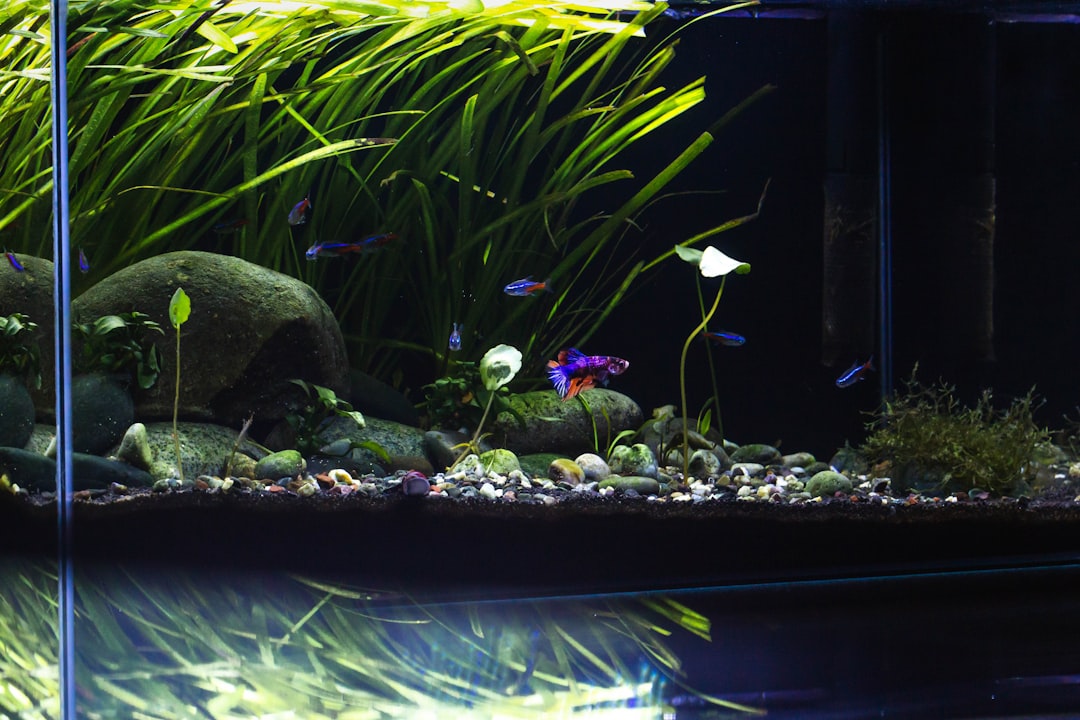
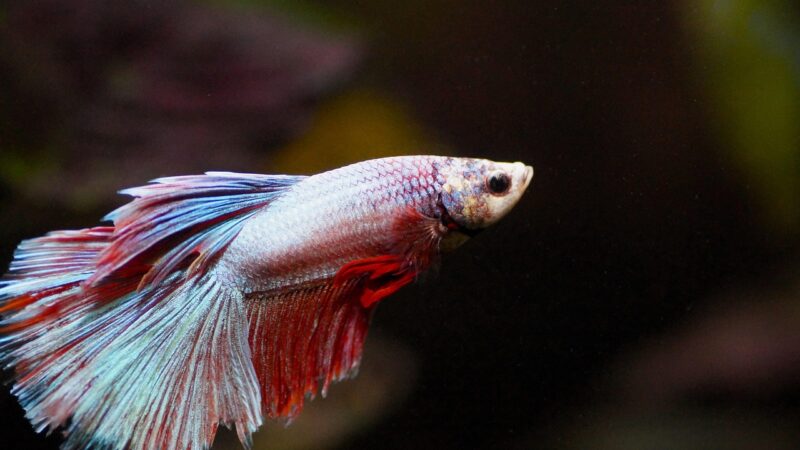
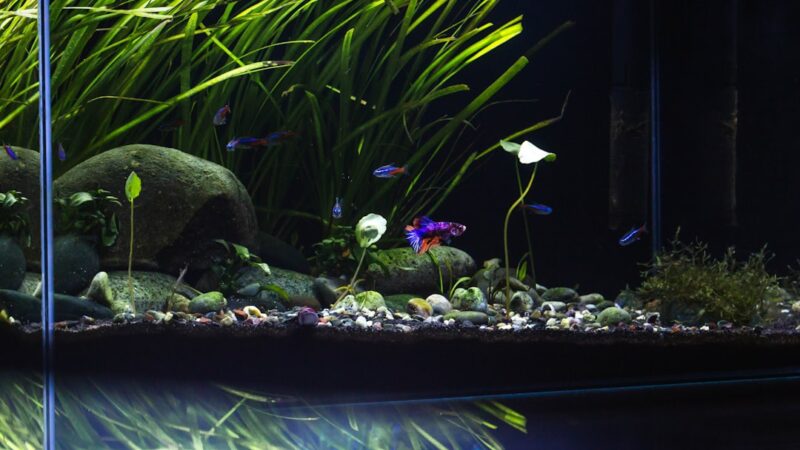
A flowerhorn is an aquascape in itself — the kok (nuchal hump), vivid flank markings, and sweeping finnage are the entire focal point of the tank. Attempting a densely planted, Nature Aquarium-style layout with a flowerhorn is a losing battle on every front: the fish will destroy it within days and suffer stressed and cramped by competition for space. The correct approach to an aquascape for a flowerhorn show tank is deliberate minimalism — bold, simple hardscape that frames and elevates the fish rather than competing with it. At Gensou Aquascaping in Everton Park, Singapore, flowerhorn tanks are a recurring project for clients who want something visually powerful without the high-maintenance demands of planted aquascaping.
Understanding What a Flowerhorn Actually Needs
Flowerhorns are large cichlids — adult males reach 30–40 cm — and they are intensely territorial, aggressive diggers, and curious to the point of rearranging any object in their territory. They produce substantial waste, need strong filtration, and require at least 200 litres per adult as a minimum comfortable volume. The aquascape must accommodate a fish that moves freely, investigates everything, and will carry stones, shift substrate, and uproot anything not firmly anchored. Design for durability first, aesthetics second — and the two align naturally when you embrace minimalism.
Substrate: Simple, Dark, and Easy to Maintain
Large-grain dark gravel or flat river stones work better than fine sand in a flowerhorn tank. Fine sand is constantly displaced by digging activity, clouding the water and silting into the filter intake. Medium-grain black or dark grey gravel at 5–7 cm depth provides a stable substrate that shows off the fish’s colouration — red and orange flowerhorn markings appear most vivid against a dark background. Some keepers use bare-bottom tanks for maximum hygiene and easy siphoning; the aesthetic is stark but the fish stands out completely unobstructed. A bare bottom is particularly practical in Singapore’s warm climate where organic debris breaks down quickly.
Hardscape: Large, Heavy, Smooth-Edged
Any rocks used in a flowerhorn tank must be heavy enough that the fish cannot move them — a flowerhorn pushing a 3 kg stone across the tank and cracking the glass panel is an expensive lesson. Choose pieces weighing at least 2–4 kg each, with smooth edges that won’t damage the fish’s body or fins as it investigates and pushes against the hardscape. Large rounded river cobbles, smooth limestone blocks, or polished slate pieces work well aesthetically. Position hardscape against the back or side walls so the central swimming space remains fully open. Three large stones arranged asymmetrically creates a natural-looking composition without visual clutter.
Avoiding Plants and Alternatives
Live plants will not survive in a flowerhorn tank. Even robust species like Anubias barteri — which can handle many cichlid species — become targets for flowerhorn curiosity and destructive digging. Plastic plants are a common fallback; choose large-format artificial plants in dark green that don’t look incongruously petite next to a 35 cm cichlid. A more elegant approach is to skip plants entirely and use structural hardscape as the sole decorative element — the design clarity matches the bold character of the fish. If you want the suggestion of greenery, a single large piece of natural driftwood anchored firmly against the back glass creates warmth without being delicate enough to destroy.
Lighting to Show the Fish
Full-spectrum LED lighting in the 6000–7000 K range renders flowerhorn colouration accurately and shows the kok and metallic body scales clearly. Avoid very warm LED strips (below 4000 K) that make the tank look yellow and muddy. For a show tank, a single overhead LED bar or a pair of T5 tubes running the full tank length provides even illumination without hot spots. Colour enhancement lighting — specifically LEDs with increased red and blue output — can intensify the appearance of red pigmentation in flowerhorn flanks; these are worth testing if your fish is a high-grade specimen being prepared for competition or photography.
Filtration: Oversize and Accessible
A flowerhorn produces roughly three times the ammonia per kilogram of bodyweight compared to smaller fish. Filter the tank at a minimum of 8–10× volume turnover per hour — for a 300 litre tank, that’s 2400–3000 litres per hour of filtration capacity. Many dedicated flowerhorn keepers in Singapore run two canister filters simultaneously: one for mechanical filtration (coarse sponge) and one for biological media (ceramic rings or K1 media). The large water volume and high turnover keep ammonia and nitrite at zero even with one feeding per day. Weekly 30–40% water changes are non-negotiable regardless of tested parameters.
Creating a Show-Ready Presentation
A competition-quality or photography-ready flowerhorn tank benefits from a dark, opaque background panel — black vinyl wrap applied to the outside of the rear glass is the simplest solution and costs under $20 at most hardware shops. This eliminates visual distractions and creates the black-void background that makes flowerhorn colouration appear most intense. Side panels can also be blacked out if the tank is intended as a single-viewpoint display. Remove any equipment visible inside the tank — hide filters, heater (if used), and any cables behind the hardscape or in a sump. The result is a clean, gallery-style presentation where the fish is the only subject.
Related Reading