How to Aquascape a Plant-Only Display Tank: No Fish, All Green
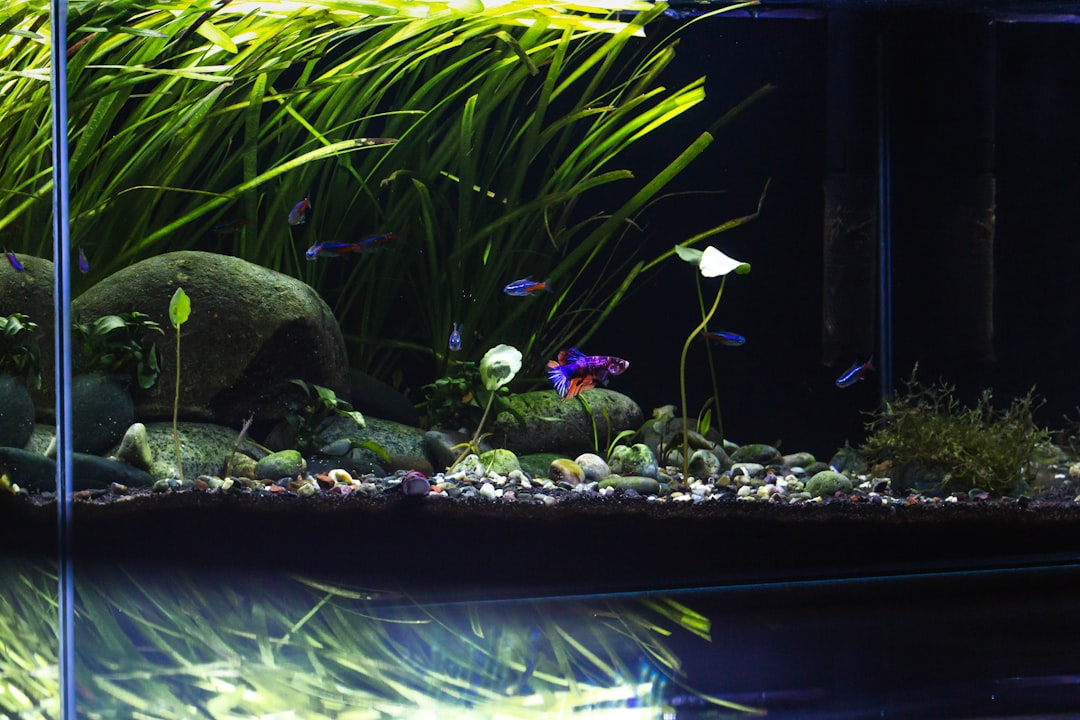
An aquarium without fish is not a compromise — it’s a design choice that produces one of the most serene, photogenic displays in the planted tank hobby. An aquascape plant-only display tank eliminates fish waste from the nutrient equation, opens up plant species choices that would be destroyed by herbivores, and creates a maintenance rhythm centred entirely around plant health. At Gensou Aquascaping in Everton Park, Singapore, we’ve installed plant-only displays in office lobbies and residential settings where the visual calm of moving water and green growth is the entire point.
Why a Plant-Only Tank Is Different to Maintain
Without fish producing ammonia, the nitrogen cycle operates very differently. Plants absorb ammonium directly from the water column and substrate, acting as the primary nutrient sink. This means your fertiliser input becomes the primary nitrogen source — a shift from the reactive approach of managing fish waste to a more deliberate, scheduled dosing regime. Algae management also changes: without the biological diversity introduced by fish and their associated microbiome, plant-only tanks can be more susceptible to certain algae types, particularly spot algae and staghorn, when CO2 or light consistency wavers. The solution is consistency over correction.
Fertilisation Without Fish: The EI Method
The Estimative Index (EI) method is well-suited to plant-only tanks: dose macro-nutrients (nitrogen, phosphorus, potassium) and micro-nutrients (iron, trace elements) on a fixed schedule regardless of measured values, then perform a large weekly water change (50%) to reset any accumulation. Without fish, nitrogen inputs are zero from biology, so you dose nitrate explicitly — typically 10–20 ppm potassium nitrate per week in a high-light, CO2-injected tank. Seachem Flourish and Tropica Specialised Fertiliser are widely available in Singapore and work well for the micro-element component; pair with a separate macro dosing schedule for complete nutrition.
Plant Choices for a Fish-Free Display
Without the threat of herbivory, the full spectrum of aquatic plants becomes available. Delicate foreground plants that guppies or cichlids would shred — Eleocharis acicularis (mini hairgrass), Hemianthus callitrichoides (HC Cuba), and Glossostigma elatinoides — grow undisturbed. Slow-growing specimen plants like Bucephalandra species, Buce “Wavy Green”, and Anubias congensis can be positioned as focal points without constant rearrangement from foraging fish. Red plants like Ludwigia senegalensis and Rotala macrandra maintain their colour without competition for nutrients from a fish bioload. The freedom is significant — use it to explore plants that frustrate you in community tanks.
Managing Water Quality Without Biological Input
Without fish, ammonia spikes from overfeeding or deaths don’t occur, but other water quality concerns remain. Decomposing plant matter produces ammonia; remove dead leaves promptly. CO2 injection overnight in a sealed tank can drive pH dangerously low — use a pH controller or ensure the CO2 solenoid is on a timer that shuts off two hours before lights off. In Singapore’s climate, evaporation is significant for open-top plant displays; top up with dechlorinated water daily (or use an auto top-off system) to maintain stable water volume and prevent concentration of dissolved minerals. Weekly 30–50% water changes keep parameters stable and remove accumulated organic waste.
Invertebrates as Low-Impact Residents
A strictly plant-only tank can include invertebrates without any impact on the “no fish” aesthetic. Caridina multidentata (Amano shrimp) are exceptional algae cleaners that consume filamentous algae, biofilm, and plant detritus without harming healthy plant tissue. A group of fifteen to twenty Amano shrimp in a 60 litre plant display provides natural cleaning without visible fish movement disturbing the contemplative effect. Nerite snails (Neritina species) graze green spot algae off glass and hardscape and do not breed in freshwater — no population explosion risk. Neither Amano shrimp nor nerites require any adjustments to plant dosing or tank maintenance.
Lighting and CO2 for Maximum Growth
With no fish welfare to balance against, you can run lighting and CO2 parameters optimised purely for plant growth. High PAR (80–150 µmol/m²/s), pressurised CO2 at 25–30 ppm, and a stable 8–9 hour photoperiod produce rapid, lush growth in a plant-only tank. The reduced gas exchange from having fewer tank inhabitants means CO2 is used more efficiently. In Singapore’s warm ambient temperatures, plant metabolism runs fast year-round — nutrient demand is higher than in cooler climates, so calibrate your EI dosing upward by 20–30% compared to typical calculator estimates designed for temperate-climate tanks.
Design Goals: Calm, Dense, and Evolving
A plant-only display should project a sense of lushness and controlled growth — every stem healthy, every leaf oriented towards the light, the composition clean and intentional. Avoid over-crowding with too many species; five to eight species in a 60 litre tank is enough to create visual interest without a chaotic effect. Revisit the composition monthly as plants grow and change — trim aggressively to maintain the layout, remove species that outcompete their neighbours, and introduce new specimens when a section needs refreshing. The best plant-only displays are never finished; they evolve over months into something that no initial layout could have predicted.
Related Reading