Aquarium for Ramen Restaurants in Singapore: Japanese Ambiance
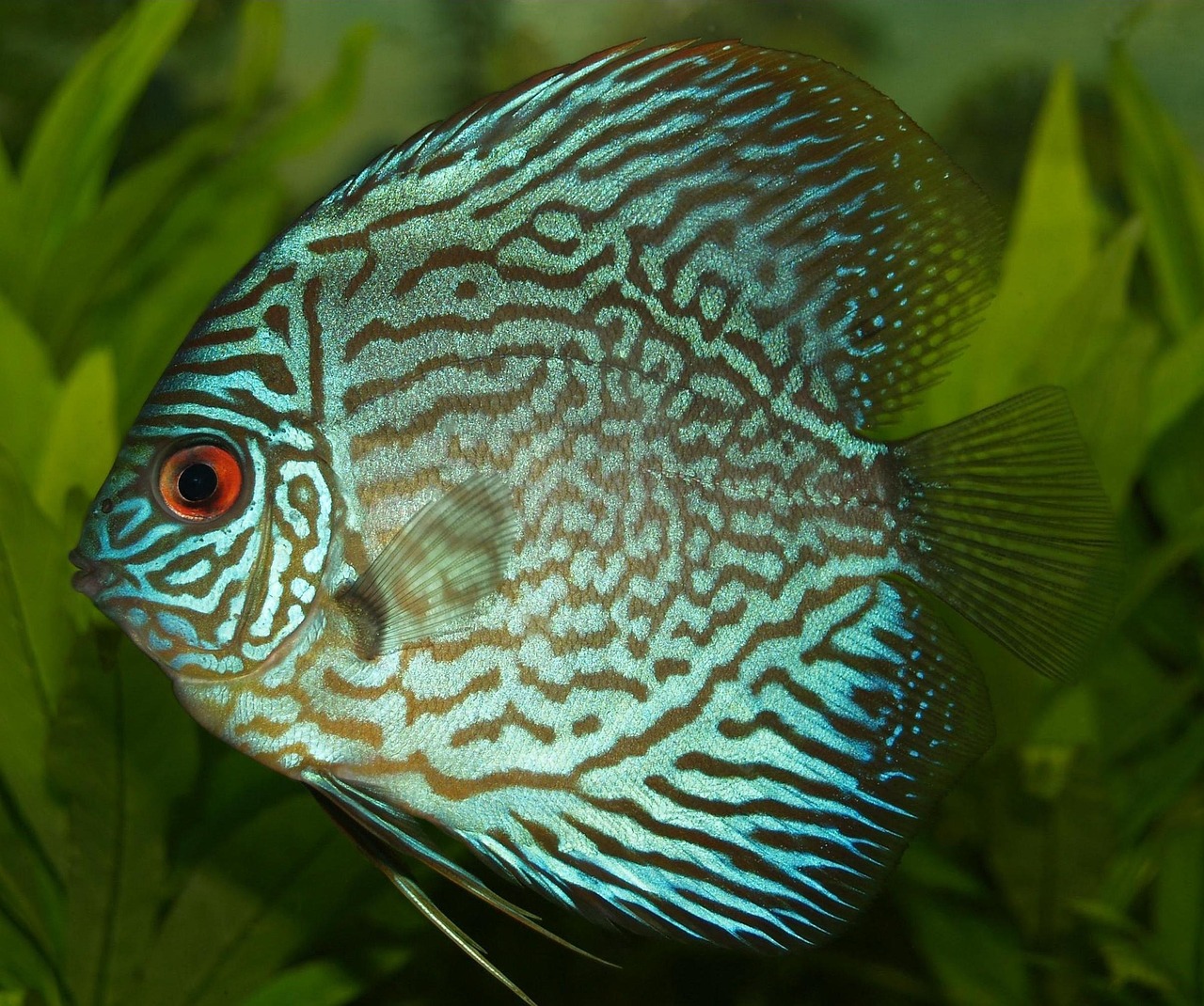
Ramen restaurants in Singapore compete in a crowded market — but the ones that draw repeat customers do more than serve excellent broth. They build an atmosphere that makes every visit feel like a deliberate experience. An aquarium in a Singapore ramen restaurant can be the centrepiece of that atmosphere: it reinforces Japanese aesthetic values of natural beauty and simplicity, gives solo diners something genuinely engaging to observe, and signals a level of hospitality investment that distinguishes the restaurant from its competitors. Gensou Aquascaping at 5 Everton Park has designed aquariums for F&B outlets across Singapore, and this guide covers what makes a ramen restaurant aquarium work.
Japanese Aesthetic Alignment
Japanese design philosophy — wabi-sabi, the beauty of natural imperfection — is a natural fit for aquascaping. The aquarium styles most associated with Japanese aquascaping, particularly the nature aquarium style pioneered by Takashi Amano, use natural stone, wood, and plant arrangements that mirror Japanese garden design sensibilities. A nature aquarium-style planted tank, with its carefully composed hardscape and lush green carpet plants, communicates the same values of craft and attention to detail that a quality ramen restaurant wishes to project.
For a ramen-specific setting, consider an aquascape that references Japanese freshwater environments — a riparial hardscape with smooth river stones, needle leaf Java fern, and Japanese native plant analogues like Rotala or Eleocharis as the grass-like carpet. This creates visual resonance with the restaurant’s concept without becoming a literal or kitschy theme.
Choosing the Right Tank Format and Placement
The most impactful placement in a ramen restaurant is behind or adjacent to the kitchen counter, if a chef’s counter or open kitchen is part of the layout. Diners facing the counter — which is typical in traditional ramen dining — have a direct sightline to the aquarium, and the combination of gentle movement from fish and the activity of the kitchen creates a visually layered, engaging dining environment. Alternatively, a wall-length aquarium along one side of a narrow restaurant draws customers through the space and gives every seat a partial view.
Tank volumes between 200 and 600 litres are appropriate for most Singapore ramen restaurant spaces. Larger tanks create more impressive displays and are more forgiving of the inevitable fluctuations that come with a commercial environment — temperature changes from air-conditioning cycling, vibration from nearby equipment, and reduced attention during peak service periods.
Species and Stocking for a Restaurant Setting
Simplicity in stocking is a virtue in an F&B environment. A single species shoal — 30 to 50 rummy-nose tetras in a 400-litre planted tank — creates a more striking visual than a mixed community of species where diners cannot identify what they are looking at. Japanese-associated species like koi are not suitable for indoor planted aquariums, but Carassius auratus (fancy goldfish) in a dedicated cold-water setup can work for a restaurant with the right aesthetic, though they require significantly different water parameters and more frequent maintenance.
For a planted nature aquarium style, stick with small, schooling tropical species. The graceful movement of a large school creates the meditative, flowing quality that aligns with the Japanese aesthetic — a chaotic mixed community does not achieve the same effect.
Noise, Odour, and Practical Considerations
A restaurant aquarium must be silent. Noisy pumps, rattling pipes, and splashing water are unacceptable in a dining environment where the ambient sound should be music and conversation. Sump-based filtration systems, housed within a sealed cabinet beneath the tank, eliminate visible equipment and are far quieter than hang-on-back or internal filters. An aquarium-grade CO2 system also operates silently. The filter outlet should return water below the surface to avoid splashing sounds.
Aquarium odour is rarely an issue with a well-maintained, properly filtered system. A musty smell indicates decomposing organic matter — overfeeding, dying plants, or inadequate filtration. A professional maintenance schedule prevents this from occurring. The last thing a restaurant needs is a smell competing with the aroma of the food.
Food Safety and Health Codes
Singapore’s NEA food establishment guidelines do not prohibit aquariums in dining areas, but they require that the tank cannot contaminate food preparation or serving surfaces. A sealed, enclosed tank with a cabinet below — standard for professional commercial installations — satisfies this requirement easily. Ensure your installation documentation is available if inspected. Gensou Aquascaping provides full installation documentation and can advise on placement that meets NEA standards for your specific premises.
Maintenance Partnership for Restaurant Owners
Restaurant owners do not have time to maintain an aquarium. A professional weekly maintenance visit — water change, glass cleaning, plant trim, and equipment check — keeps the tank pristine with zero burden on the restaurant team. Gensou Aquascaping’s commercial maintenance packages are designed for exactly this context. Contact us to discuss a design and maintenance package for your ramen restaurant, and we will create an aquascape that becomes as much a part of your restaurant’s identity as the broth itself.
Related Reading