
How to Breed Golden Wonder Killifish: Surface Spawners in Planted Tanks
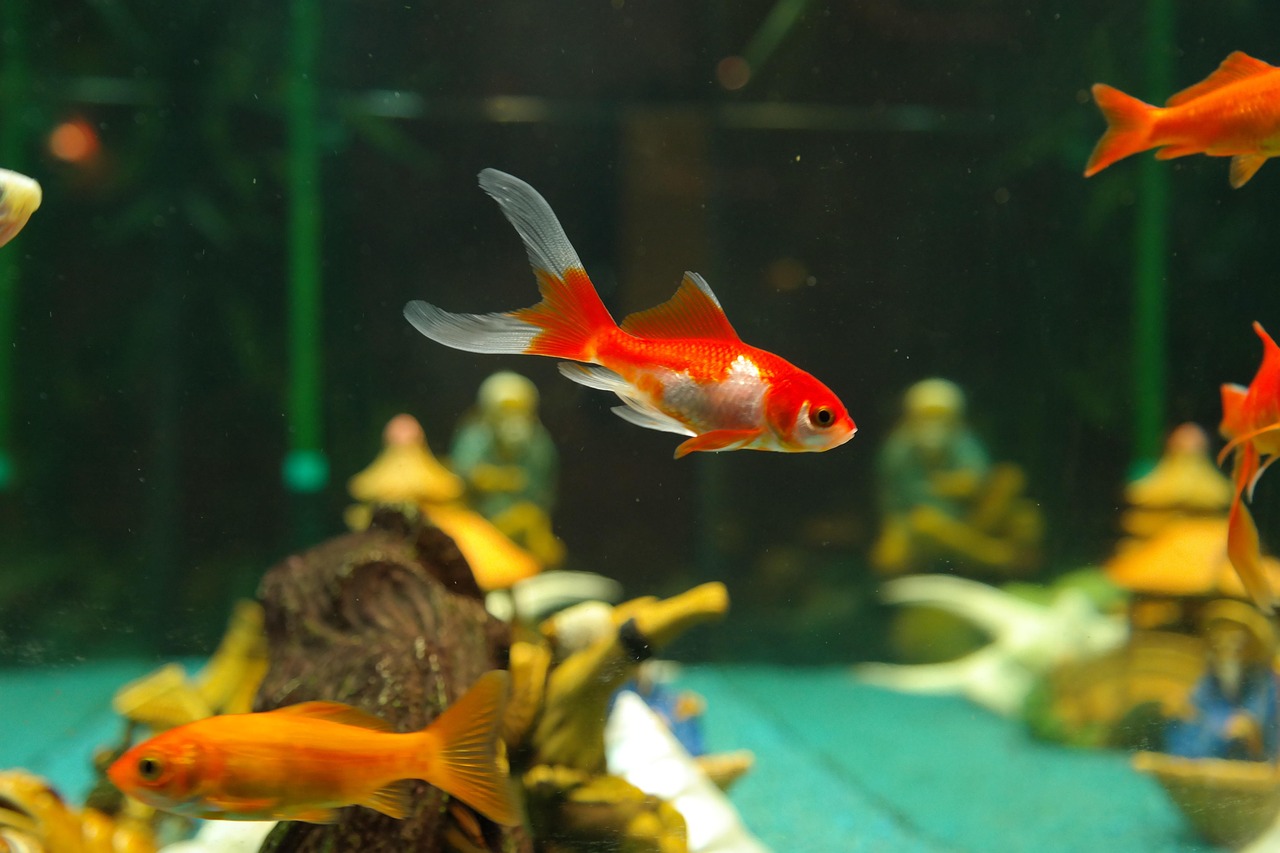
Few surface-dwelling fish reward patient breeders as generously as the golden wonder killifish. A selectively bred colour form of Aplocheilus lineatus, this species will spawn readily once conditions are right — and in Singapore’s warm climate, you rarely even need a heater. This guide from Gensou Aquascaping at 5 Everton Park walks you through every step to breed golden wonder killifish reliably, from conditioning the adults to raising the fry to juvenile size.
Setting Up a Dedicated Breeding Tank
A 20–40 litre tank works well for a breeding pair or trio (one male, two females). Keep the water level low — around 20 cm — to mimic the shallow, vegetated pools this species inhabits in the wild. Golden wonder killifish are jumpers, so a tight-fitting lid is non-negotiable; even a small gap is enough for them to escape.
PUB tap water, aged overnight to off-gas chloramine, suits this species perfectly. Aim for a temperature of 26–28°C, pH 6.8–7.4, and soft to moderately hard water. A small sponge filter provides gentle circulation without sucking up eggs or fry.
Conditioning the Breeding Pair
Successful spawning begins with well-fed, healthy adults. Feed your killifish a varied live and frozen diet for two to three weeks before introducing them to the breeding tank. Bloodworms, daphnia, and brine shrimp are excellent conditioning foods. Mosquito larvae, easily collected in Singapore, are a particular favourite and trigger strong spawning behaviour.
A healthy male will display vivid golden-yellow flanks with iridescent blue-green speckles. Females are slightly smaller and less colourful. If the male is harassing a single female relentlessly, adding a second female immediately reduces stress and improves egg production.
Spawning Mops and Natural Plants
Golden wonder killifish are egg scatterers that prefer to deposit eggs among fine-leaved surface vegetation or floating plant roots. Spawning mops made from acrylic wool are the most practical option — they’re easy to inspect and remove. Hang one mop at the surface and anchor a second one just below it.
Live floating plants such as Ceratopteris thalictroides (water sprite) or riccia work equally well and have the added benefit of keeping nitrates in check. Javamoss bundles tied to a small weight also provide useful mid-column spawning sites. Check the mops and plants daily — golden wonder killifish spawn frequently, depositing five to thirty eggs per session.
Collecting and Incubating the Eggs
Killifish eggs are tougher than those of most ornamental fish. Pick them off the mop by hand and place them in a small container of tank water with a drop of methylene blue to prevent fungal infection. Keep the container at 26–27°C in a shaded spot — direct sunlight accelerates fungal growth.
Infertile eggs turn white and cloudy within 24 hours; remove these immediately to prevent contaminating healthy eggs. Fertile eggs remain clear to amber and develop visible eye spots within seven to ten days. Hatching typically occurs 10–14 days after fertilisation at 27°C.
Raising Killifish Fry
Newly hatched golden wonder killifish fry are large by fish standards — around 6–7 mm — and capable of eating micro prey from day one. Start with baby brine shrimp (Artemia nauplii) and micro worms. Within two weeks, most fry accept finely crushed flake food as a supplement.
Feed small amounts three to four times daily and perform 20–30% water changes every two days to keep ammonia and nitrite at zero. Growth is rapid in warm Singapore conditions; expect juveniles to reach 2–3 cm within a month. Sort by size regularly, as larger fry will harass and outcompete smaller siblings.
Common Breeding Problems
The most frequent issue breeders encounter is egg fungus, which spreads quickly in a warm, enclosed container. Methylene blue and good ventilation solve most cases. If adults are ignoring the spawning mops entirely, check that the mop is positioned at or just below the surface — killifish rarely dive deep to spawn.
Male aggression toward females is another common challenge. If a female is being bitten to the point of torn fins, separate the pair for a week and re-introduce them after additional conditioning. A densely planted tank naturally reduces line-of-sight and gives the female space to retreat.
Growing Out Juveniles
Once fry reach 1.5 cm, they can be transferred to a larger grow-out tank. At this size they are robust enough to handle gentle filtration and the company of same-age siblings. Golden wonder killifish reach sexual maturity at around 3–4 months, by which point males will begin displaying to each other. Separate males early to prevent fin damage.
Local hobbyists in Singapore regularly trade surplus golden wonder killifish on Carousell, and juvenile pairs typically fetch $3–8 per fish depending on colour quality. Gensou Aquascaping at 5 Everton Park can advise on sourcing quality breeding stock and suitable live foods to get your breeding project off to a strong start.
Related Reading
- How to Breed Clown Killifish: Rocket Panchax Spawning in Nano Tanks
- How to Breed Norman’s Lampeye Killifish: Surface Spawners in Soft Water
- How to Breed Amano Shrimp: The Challenging but Rewarding Process
- How to Breed Assassin Snails: Slow but Steady Reproduction
- How to Breed Bamboo Shrimp: Larval Stages and Brackish Requirements



