
Corydoras Habrosus Care Guide: The Salt and Pepper Micro Cory
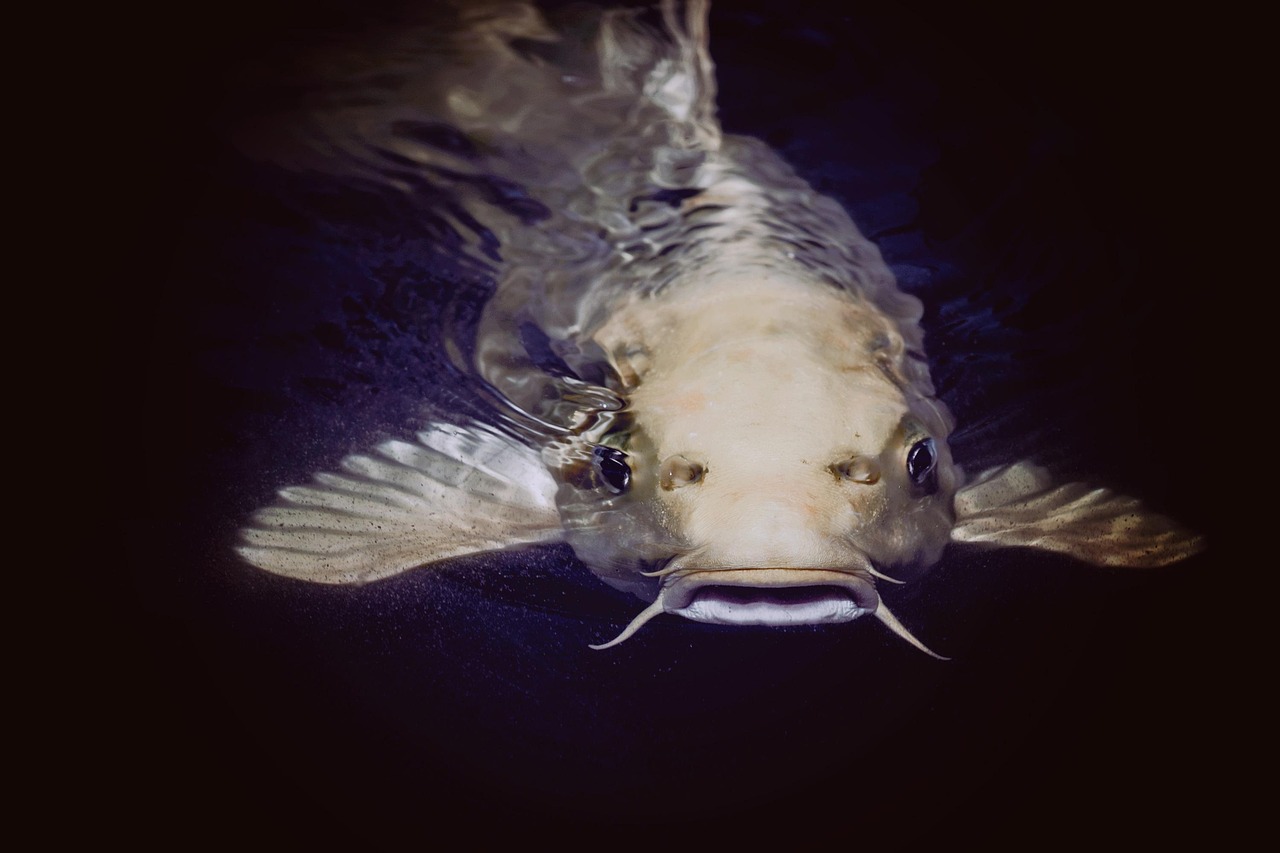
At just 2.5–3 cm when fully grown, Corydoras habrosus packs the full character of the cory catfish family into one of the hobby’s smallest packages. These endearing little fish — commonly called salt and pepper corydoras — are more active than most of their larger relatives, spending much of the day foraging through substrate and performing their characteristic mid-water dashes. This Corydoras habrosus care guide covers everything you need to set up and maintain a thriving group, and Gensou Aquascaping at 5 Everton Park stocks them regularly for hobbyists looking to add movement to nano planted tanks. This guide sits inside our broader Tropical Fish Species Master Index reference.
Natural Habitat and Why It Matters
Corydoras habrosus comes from the upper Orinoco and Meta river drainages in Venezuela and Colombia. These are warm, shallow, soft-water streams with sandy substrates, leaf litter, and dense aquatic vegetation. Understanding this background shapes every aspect of their care — fine substrate, soft acidic water, and heavily planted surroundings make them feel secure and behave naturally.
Tank Size and Setup
A group of eight to twelve C. habrosus can be housed comfortably in a 30–40 litre tank, though they appreciate more space if available. Fine sand substrate is essential — coarse gravel damages the delicate barbels these fish use to sift through the bottom for food. Pool filter sand or smooth aquarium sand in the 0.5–1 mm range works well and is inexpensive to source locally.
Plant the tank densely with fine-leaved plants such as Eleocharis hairgrass, Microsorum pteropus (Java fern), and floating plants that diffuse the light. Add a few small pieces of driftwood and Indian almond leaves to recreate leaf litter conditions. Corydoras habrosus are notably bolder in tanks where they feel sheltered; sparse setups cause them to hide constantly.
Water Parameters
Target a temperature of 24–27°C, pH 6.0–7.2, and soft water with GH below 8. Singapore’s PUB tap water, after ageing and carbon filtration, sits comfortably within these ranges. The species is more sensitive to poor water quality than its hardiness reputation might suggest — nitrates above 20 ppm cause barbel erosion and lethargy. Weekly 30% water changes are not optional for long-term health.
Filtration should be gentle. A small sponge filter or a canister filter with a flow-diffusing spray bar keeps the water clean without blasting these tiny fish around the tank. High flow rates stress C. habrosus and push them toward the corners where they huddle unhappily.
Feeding
Salt and pepper corydoras are micro-predators in the wild, hunting small invertebrates through leaf litter. In the aquarium, feed a varied diet of sinking foods: micro pellets (1 mm or smaller), crushed flake food, and frozen or live foods such as micro worms, daphnia, and baby brine shrimp. Bloodworms cut into small pieces are eagerly accepted.
Do not assume leftover food from surface-feeding tank mates will sustain them. These fish need dedicated bottom-level feeding, ideally in the evening when competition from other species is lower. A small feeding dish or a specific corner of the tank helps concentrate food before it disappears into the substrate.
Social Behaviour and Tank Mates
Corydoras habrosus are strongly shoaling fish. A group of fewer than six will be stressed and inactive; ten to fifteen individuals brings out their natural, animated behaviour — coordinated foraging sweeps, mid-water social dashes, and the cheerful bottom-bumping that cory enthusiasts love. Keep them in groups, always.
Their small size restricts suitable tank mates. Avoid any fish larger than 4–5 cm that might view them as prey or out-compete them for food. Ideal companions include ember tetras (Hyphessobrycon amandae), chili rasboras (Boraras brigittae), otocinclus, and small Neocaridina shrimp. This combination makes for a beautiful, peaceful nano community.
Breeding Corydoras Habrosus
Breeding this species is achievable but requires deliberate effort. Condition a group of adults on high-protein live and frozen foods for two to three weeks. Trigger spawning with a 50% water change using cooler water (3–4°C below tank temperature) — this mimics seasonal rain in their natural habitat. Spawning typically follows within 24–48 hours.
Eggs are deposited singly or in small clusters on glass, broad plant leaves, or the filter intake. Remove eggs to a separate hatching container with an airstone and a few drops of methylene blue to prevent fungal infection. Fry hatch in 3–4 days and accept infusoria and micro worms from day one. Growth is slow compared to larger corydoras species, with juveniles reaching 1.5 cm at around eight weeks.
Health and Common Issues
Barbel erosion is the most common health problem in C. habrosus and almost always indicates substrate or water quality issues. Switching to fine sand and increasing water change frequency resolves most cases within weeks, provided erosion hasn’t progressed too far. White spot (ich) occasionally appears after temperature fluctuations — treat with a salt-free ich medication, as corydoras are sensitive to aquarium salt at therapeutic doses.
With proper care, Corydoras habrosus live five to seven years, becoming increasingly bold and personable as they settle into a stable environment. Visit Gensou Aquascaping at 5 Everton Park for advice on sourcing healthy groups and the right nano substrate to get your setup right from day one.
Related Reading
- How to Breed Corydoras Panda: Conditioning, Spawning and Fry Care
- How to Breed Corydoras Sterbai: Sticky Eggs and Cool Water Triggers
- Orange Laser Corydoras Care Guide: Bright Stripe on the Bottom
- Panda Corydoras Care Guide: The Adorable Bottom Dweller
- How to Breed Pygmy Corydoras: Micro Cory Spawning in Nano Tanks



