
How to Get Rotala Wallichii to Turn Pink: Light, CO2 and Iron Tips
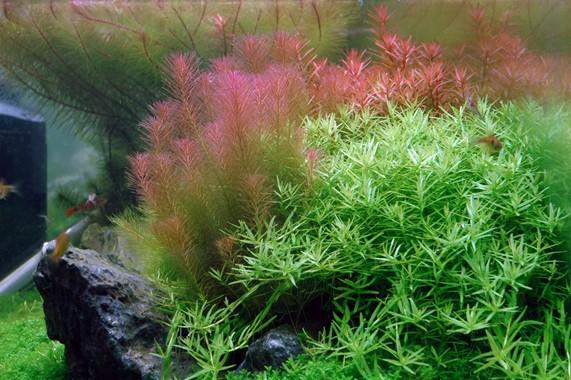
Growing Rotala wallichii is straightforward — getting it to turn the intense, raspberry-pink colour seen in award-winning aquascapes is another matter entirely. Under inadequate conditions, this species grows as pale green or olive stems that look attractive but lack the visual drama that makes it one of the most sought-after stem plants in Nature Aquarium design. This guide from Gensou Aquascaping at 5 Everton Park explains the specific combination of factors that drive the Rotala wallichii colour pink transformation, drawing on over 20 years of planted tank experience.
Why Rotala Wallichii Changes Colour
Rotala wallichii produces anthocyanins — red and pink plant pigments — as a protective response to high light intensity and certain nutrient conditions. In low light, the plant concentrates on chlorophyll production for photosynthesis; anthocyanins are energetically costly and only produced when light intensity makes additional protection beneficial. This is the same mechanism behind autumn leaf colour change and red colouration in many other aquatic plants, and understanding it clarifies why light is the most critical variable in achieving pink colouration.
Light: The Primary Driver
No other variable matters as much as light intensity. Rotala wallichii requires high light — at least 50–70 PAR at the substrate level measured directly under the fixture. Most budget aquarium LED units fall well short of this. Purpose-built planted tank lights from brands such as Twinstar, Chihiros A-Series, or ADA Solar RGB produce the light density needed. The photoperiod should be eight to ten hours daily — running lights longer than ten hours in a CO₂-injected tank typically causes algae problems without additional colour benefit.
Position R. wallichii as a background or midground plant where it receives the most direct light from overhead rather than filtered through other plants. Shading from taller foreground growth is a common reason for disappointing colour even in well-lit tanks.
CO₂ Injection
CO₂ injection is effectively mandatory for intense pink colouration in Rotala wallichii. Without it, growth rates are too low to utilise the high light levels needed for anthocyanin production, and the plant simply deteriorates or grows slowly in a pale state. Target CO₂ levels of 25–35 ppm, indicated by a drop checker turning lime green from the standard blue indicator solution.
Inject CO₂ one hour before lights activate and stop injection one to two hours before lights off. This prevents pH crash during the dark period while ensuring maximum CO₂ availability during photosynthetic hours. In Singapore, compact pressurised CO₂ systems with solenoid timers are available from specialist shops and represent the most reliable approach — DIY yeast systems rarely sustain the consistent CO₂ levels that demanding stem plants require.
Iron and Micronutrient Dosing
Iron is the micronutrient most directly linked to red and pink pigmentation in aquatic stem plants. Iron deficiency produces pale new growth even when light and CO₂ are adequate. Dose a chelated iron supplement (Fe-EDTA or Fe-DTPA formulations) at the manufacturer’s recommended rate, targeting a concentration of 0.1–0.5 ppm in the water column. Test with a dedicated iron test kit every one to two weeks and adjust dosing accordingly.
A complete micronutrient supplement covering manganese, zinc, boron, and copper is also important. Lean dosing approaches — providing only what plants show deficiency in — often result in subtle micronutrient shortfalls that blunt colour intensity. A regular, balanced trace element dose produces more consistent results than reactive correction.
Macro Nutrients and the Lean vs Rich Debate
Some experienced aquascapers maintain that slightly lean nitrogen levels (nitrate below 10 ppm) intensify red and pink colouration by stressing the plant mildly — a technique sometimes called “nutrient restriction colouration.” There is observational evidence for this, but pushing nitrogen too low risks pale, stunted growth. A practical approach is to maintain phosphate at 0.5–1 ppm and nitrate at 5–15 ppm while keeping iron and trace elements at adequate levels.
Potassium deficiency can produce pinhole damage on leaves that is sometimes mistaken for a pest problem — dose potassium sulfate at approximately 10–20 ppm to maintain adequate levels without elevating nitrates.
Water Parameters and Temperature
Rotala wallichii grows best in soft, slightly acidic water — pH 6.0–7.0 and GH below 10. Singapore’s PUB tap water sits within acceptable range, though CO₂ injection will naturally lower pH into the ideal zone. Temperature below 27°C produces tighter internodes and more compact growth; in Singapore’s climate without air conditioning, tanks can run warmer, which typically produces slightly longer internodes and less vivid colour. A fan over the tank surface can reduce temperature by 2–3°C through evaporative cooling at minimal cost.
Trimming and Growth Management
Regular trimming is part of colour management, not just maintenance. The top 5–10 cm of R. wallichii — the growing tips exposed to maximum light — are always the most intensely coloured portion. Trim stems back by one-third to one-half regularly to encourage bushy, multi-branching growth and ensure maximum light penetration to all levels of the plant mass. Replant trimmed tops to propagate the colony. With the right conditions dialled in, Gensou Aquascaping at 5 Everton Park’s planted tank customers consistently achieve the vivid pink that makes this plant one of the most rewarding stem species in the hobby.
Related Reading



