
African Butterfly Fish Feeding Guide: Live Food and Surface Prey
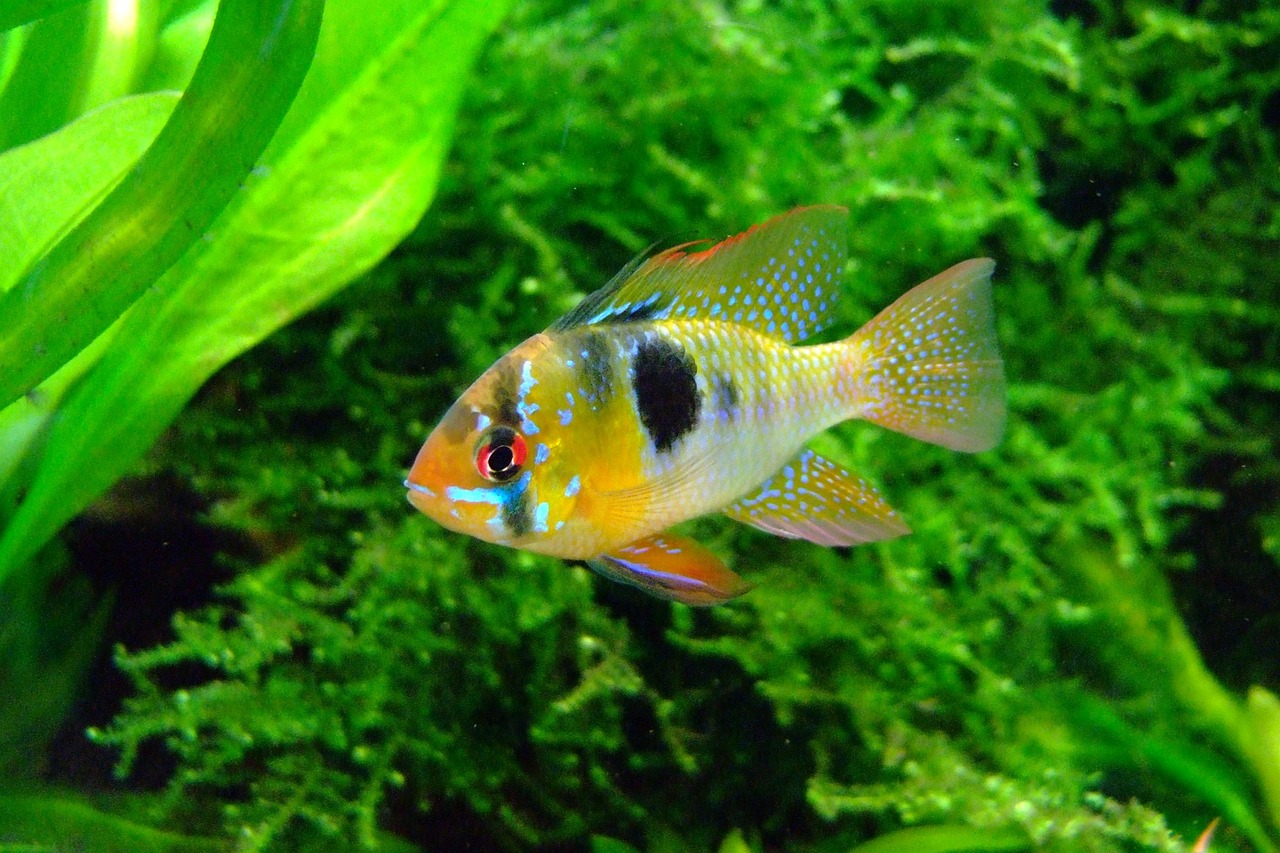
With wing-like pectoral fins and an ancient, predatory presence, the African butterfly fish (Pantodon buchholzi) is unlike anything else in the freshwater hobby. This obligate surface feeder demands a specific diet that many keepers underestimate. Our african butterfly fish feeding live food guide from Gensou Aquascaping at 5 Everton Park, Singapore, will help you keep this living fossil healthy and well-fed with practical, locally sourced options.
Surface-Feeding Anatomy and Instinct
Pantodon buchholzi has an upward-facing mouth evolved for snatching insects and small prey from the water surface. Its eyes are positioned to scan above the waterline. Food that sinks below the first few centimetres is essentially invisible to this fish. Understanding this anatomy is critical; no amount of sinking pellets will sustain a butterfly fish.
Best Live Foods for Butterfly Fish
Crickets are an excellent staple. Small crickets of about 5-8 mm, available from pet shops and reptile suppliers across Singapore for around $2-4 per tub, trigger an immediate predatory response when placed on the surface. Wingless fruit flies (Drosophila) are another outstanding option and can be cultured at home in a small container with banana mash.
Mosquito larvae are perhaps the most natural food you can offer. In Singapore’s tropical climate, a bucket of standing water produces a harvest of wrigglers within days. Scoop them out with a fine net and drop them into the tank. Mealworms, cut into smaller pieces for juvenile fish, round out a varied diet.
Frozen and Prepared Alternatives
Not every feeding needs to be live. Frozen bloodworms held at the surface with tweezers or floating in a feeding ring are accepted by most trained individuals. Freeze-dried krill and floating pellets sometimes work, though many butterfly fish ignore non-moving food entirely. Persistence and hunger training over a few days can encourage acceptance of frozen options as a backup.
Feeding Schedule and Quantity
Feed once or twice daily. Offer two to three crickets or a small pinch of fruit flies per session. Overfeeding fouls the surface film, which is especially problematic for a fish that lives at the air-water interface. Remove uneaten insects after 15 minutes. A varied rotation across the week, alternating between crickets, fruit flies, mosquito larvae, and frozen bloodworms, ensures complete nutrition.
Tank Setup for Surface Feeders
A tank of at least 80 litres with a long footprint gives butterfly fish adequate surface area. Avoid strong surface agitation; a gentle filter outlet directed slightly downward preserves the calm surface these fish prefer. Floating plants like Salvinia, Pistia, or Limnobium provide cover and resting spots, mimicking the slow West African streams where this species originates.
A tight-fitting lid is absolutely essential. Butterfly fish are powerful jumpers and will escape through even small gaps. Leave only a centimetre or two of airspace between the water surface and the lid.
Water Parameters in Singapore
PUB tap water treated for chloramine and adjusted to pH 6.5-7.0 works well. Soft water with GH 2-6 matches their native habitat. Temperature of 26-29 °C is maintained naturally in most Singapore homes. Adding Indian almond leaves darkens the water and lowers pH gently, replicating the tannin-stained waters Pantodon inhabits in the wild.
Compatible Tank Mates
Avoid anything small enough to fit in the butterfly fish’s mouth. Neon tetras and small rasboras are at risk. Larger, peaceful mid-water and bottom-dwelling species work best: Congo tetras, Kribensis cichlids, Corydoras catfish, and medium-sized loaches. Other surface dwellers like hatchetfish may compete for food and territory, so mixing surface feeders requires a spacious tank.
Culturing Live Food at Home
Singapore’s warm, humid environment makes live food culture remarkably easy. A wingless fruit fly culture needs only a ventilated container, a banana-based medium, and a starter colony available online for about $5. Within two weeks you will have a self-sustaining supply. Cricket colonies require slightly more space but breed readily at 28-30 °C. Investing a small amount of effort in home cultures saves money and guarantees fresh, nutritious food on demand, a practice Gensou Aquascaping Singapore strongly recommends for any dedicated butterfly fish keeper.
Related Reading



