
Orange Rili Shrimp Care Guide: Neocaridina Colour Morph
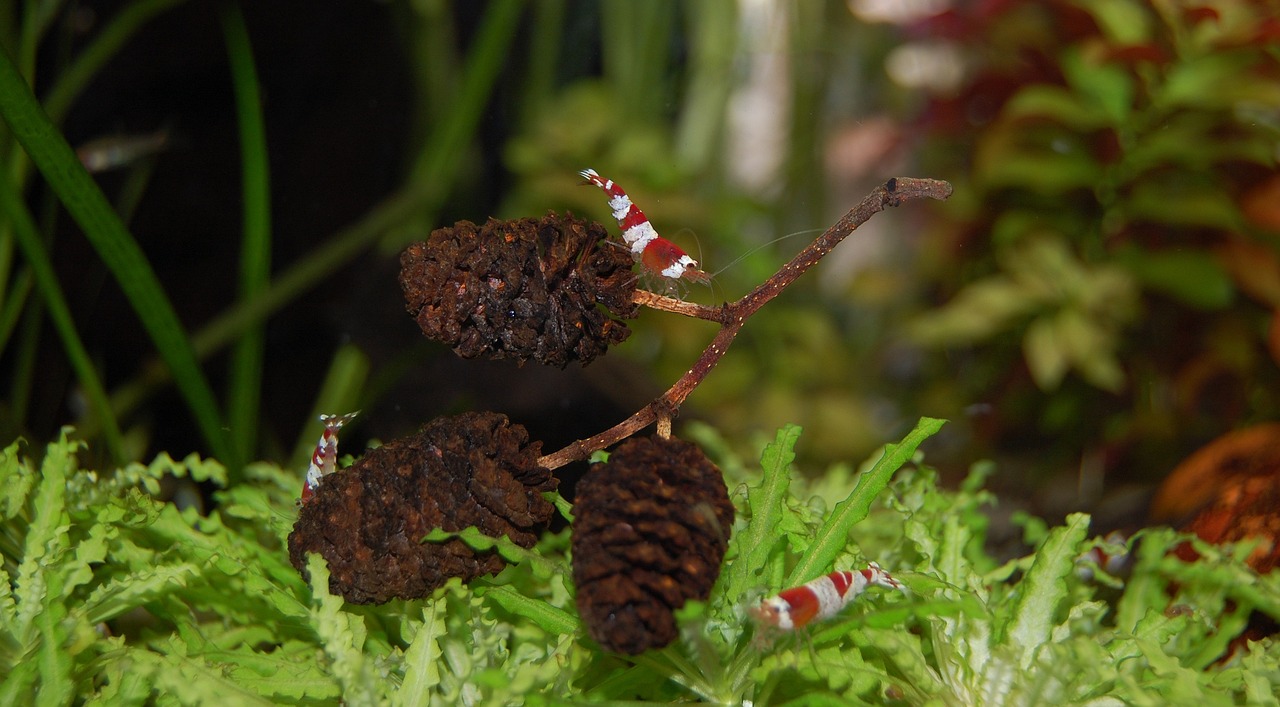
Orange rili shrimp are one of the most striking Neocaridina davidi colour morphs available, combining vivid orange on the head and tail with a translucent midsection. They are hardy, breed freely and add a splash of warm colour to any planted tank. This orange rili shrimp care guide from Gensou Aquascaping at 5 Everton Park, Singapore covers everything you need to keep and breed them successfully.
What Makes the Rili Pattern Special
The rili pattern is characterised by a clear or translucent band across the middle of the body, with pigmented colour concentrated on the cephalothorax (head region) and the tail segments. In orange rilis, this creates a distinctive look: bright orange bookends with a see-through centre where you can sometimes observe the internal organs. Higher-grade specimens have sharper colour boundaries, while lower grades show colour bleeding into the clear zone.
Water Parameters
Orange rili shrimp are among the most forgiving freshwater shrimp. They thrive at pH 6.5-7.8, GH 4-10, KH 2-6 and temperature 22-28 degrees C. Singapore’s ambient temperature keeps tanks within range most of the year, and PUB tap water after dechlorination provides a reasonable starting point. Adding a small amount of mineral supplement brings GH into the ideal zone of 6-8 for optimal shell development and breeding.
Avoid sudden parameter swings, which cause failed moults and death. When performing water changes, match temperature and drip new water in slowly over 30-60 minutes.
Tank Setup
A 10-20 litre nano tank comfortably houses a starting colony of ten to fifteen shrimp. Use an inert substrate like fine gravel or sand, or an active soil if you also grow demanding plants. Sponge filters are essential; hang-on-back and canister filters risk trapping baby shrimp in the intake. Cover any exposed intakes with a stainless steel mesh guard if you must use power filtration.
Java moss, Taxiphyllum barbieri, is the single most useful plant for shrimp tanks. It provides grazing surface, hiding spots for shrimplets and a biofilm nursery. Combine it with Anubias petite, Bucephalandra and floating Salvinia for a complete low-tech setup.
Feeding
Neocaridina shrimp are omnivorous scavengers. Feed sparingly every other day with a rotation of shrimp-specific pellets, blanched spinach, mulberry leaves and occasional protein treats like frozen bloodworm. Overfeeding is the most common mistake; uneaten food fouls water and promotes planaria, which prey on baby shrimp.
Biofilm and decaying plant matter provide a significant portion of their diet. In a mature, well-planted tank, you may find you barely need to supplement at all.
Breeding Orange Rili Shrimp
Provided water conditions are stable and food is available, orange rilis breed prolifically. Females carry 20-35 eggs under their swimmerets for roughly 28-30 days. Shrimplets emerge as miniature versions of the adults, fully independent from birth. No special nursery setup is needed; simply ensure dense plant cover and avoid predatory tankmates.
To maintain and improve the rili pattern, cull or separate shrimp with solid orange colouration (no clear band) or muddy, low-grade colour. Selective breeding over five to six generations tightens the colour boundaries noticeably.
Colour Grading and Selection
Top-grade orange rilis display intense, opaque orange on the head and tail with a crystal-clear midsection. Mid-grade shrimp show slight colour leakage into the clear zone. Low-grade specimens have uneven colour distribution or a washed-out orange. Prices in Singapore reflect grading: low-grade shrimp sell for $1-$2 each on Carousell, while high-grade breeding stock fetches $4-$8 per piece.
Photographing your shrimp against a white background helps you assess colour quality objectively. What looks vivid under aquarium lighting may appear less impressive under neutral light.
Compatible Tankmates
Small, peaceful fish work best alongside orange rili shrimp. Micro rasboras like Boraras brigittae, otocinclus catfish, and small snails such as nerites pose no threat. Avoid bettas, guppies and any fish over 4 cm, as they will pick off shrimplets and reduce your colony over time. A species-only shrimp tank produces the fastest colony growth and the most relaxed, natural behaviour.
Related Reading
- Carbon Rili Shrimp Care Guide: Black Head, Clear Body
- Orange Sakura Shrimp Care Guide: A Bright Neocaridina Colour
- High-Grade Orange Sakura Shrimp Care Guide: Bright Citrus Neocaridina
- Red Rili Shrimp Care Guide: Translucent Body With Red Patches
- Amano Shrimp Breeding Challenges: Larval Stages and Saltwater Phase



