
Aquarium for Art Galleries in Singapore: Living Sculpture
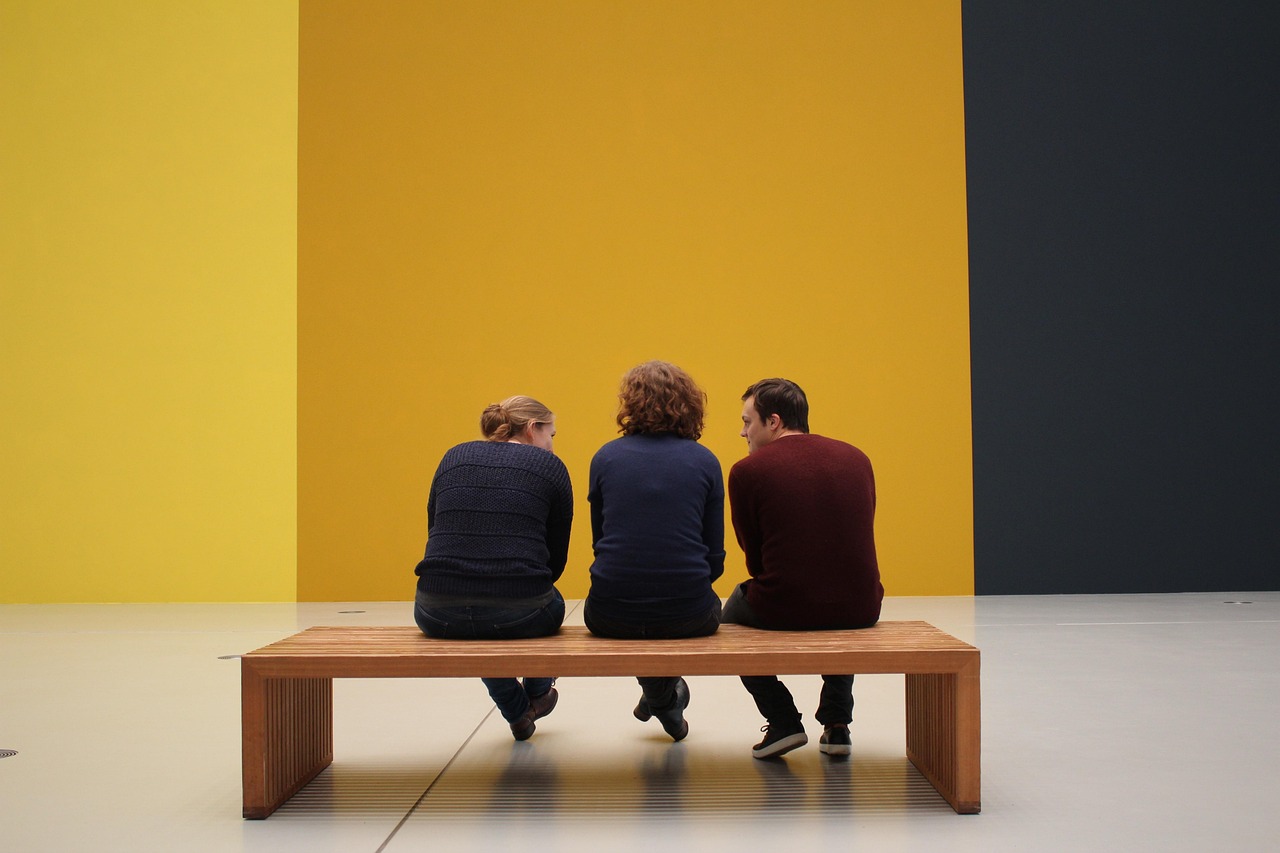
In a space dedicated to visual impact, an aquarium does not compete with the art. It becomes art. An aquarium in an art gallery in Singapore functions as a living sculpture that changes hour by hour, demanding the same contemplative attention as a painting or installation. Gensou Aquascaping at 5 Everton Park has collaborated with gallery owners and interior designers to create aquatic installations that elevate the viewing experience. Here is how to approach this unique intersection of nature and design.
Positioning Within the Gallery Space
Place the aquarium where visitors naturally pause: near the entrance as a statement piece, in a transitional corridor between exhibition rooms, or as the centrepiece of a lounge area. Avoid positioning it directly next to artwork that requires focused attention, as the tank’s movement draws the eye and can compete with static pieces. A freestanding island tank visible from all angles works beautifully in open gallery floors. Built-in wall installations suit narrower spaces and create a window-like illusion into an underwater world.
Aquascape as Artistic Composition
Gallery aquascapes should follow compositional principles familiar to visual artists. The rule of thirds applies to hardscape placement. Negative space, the open water above and between elements, carries as much weight as the planted areas. A nature aquarium style using weathered driftwood and Taxiphyllum barbieri moss evokes Japanese wabi-sabi aesthetics that resonate with contemporary gallery sensibilities. Alternatively, a stark Iwagumi with a single stone grouping and open sand foreground echoes minimalist sculpture.
Lighting as Curatorial Tool
Gallery lighting is precise and intentional, and the aquarium should match this standard. Use a high-quality LED with adjustable spectrum and intensity, mounted on a clean pendant or track system consistent with the gallery’s existing lighting infrastructure. A gradual sunrise and sunset programme adds temporal dimension. During evening openings, dim the tank light to a warm glow that creates ambience without overpowering spotlit artwork on surrounding walls. RGB-capable lights allow colour temperature shifts to complement rotating exhibitions.
Fish Selection for Visual Harmony
Choose species that move with grace rather than frenetic energy. A school of 20-30 cardinal tetras creates a flowing, coordinated display reminiscent of kinetic art. Altum angelfish (Pterophyllum altum) possess an architectural quality with their tall, angular fins. For smaller tanks, a group of Paracheirodon simulans (green neon tetra) provides subtle, elegant movement. Avoid mixing too many species, as visual coherence is paramount in a gallery context. One or two species, chosen for complementary colour and movement, reads more powerfully than a crowded community.
Sound and Equipment Concealment
Galleries demand silence. External canister filters like the Eheim Classic or Oase BioMaster run quietly and can be hidden in a cabinet or utility space behind the wall. Avoid air pumps entirely, as even the quietest models produce audible vibration. Inline heaters and inline CO2 diffusers keep equipment out of the display tank. Every cable, tube, and connector should be routed invisibly. The goal is that visitors see only water, stone, plant, and fish, with no trace of the technology sustaining it.
Maintenance Schedule for Commercial Spaces
Gallery staff should not be responsible for aquarium maintenance. Schedule professional visits weekly or fortnightly, timed to avoid exhibition openings and peak visitor hours. Water changes, glass cleaning, plant trimming, and equipment inspection require 45-60 minutes per visit for a medium-sized tank. In Singapore’s climate, evaporation under air conditioning is significant, so an automatic top-up system prevents water levels dropping visibly between maintenance visits. Gensou Aquascaping provides commercial maintenance contracts tailored to gallery schedules.
Budget and Return on Investment
A gallery-quality aquarium installation in Singapore ranges from $3,000 to $15,000 depending on tank size, custom cabinetry, and aquascaping complexity. Monthly maintenance runs $150-300. The return is difficult to quantify in direct revenue but measurable in visitor engagement: people linger longer near aquariums, share photographs on social media, and remember the gallery as a distinctive space. Several galleries we have worked with report that their aquarium appears in visitor reviews more frequently than individual artworks. As a long-term installation, few investments deliver comparable visual impact per square metre.
Related Reading



