
How to Aquascape for a Cherry Shrimp Colony: Moss, Hiding and Grazing
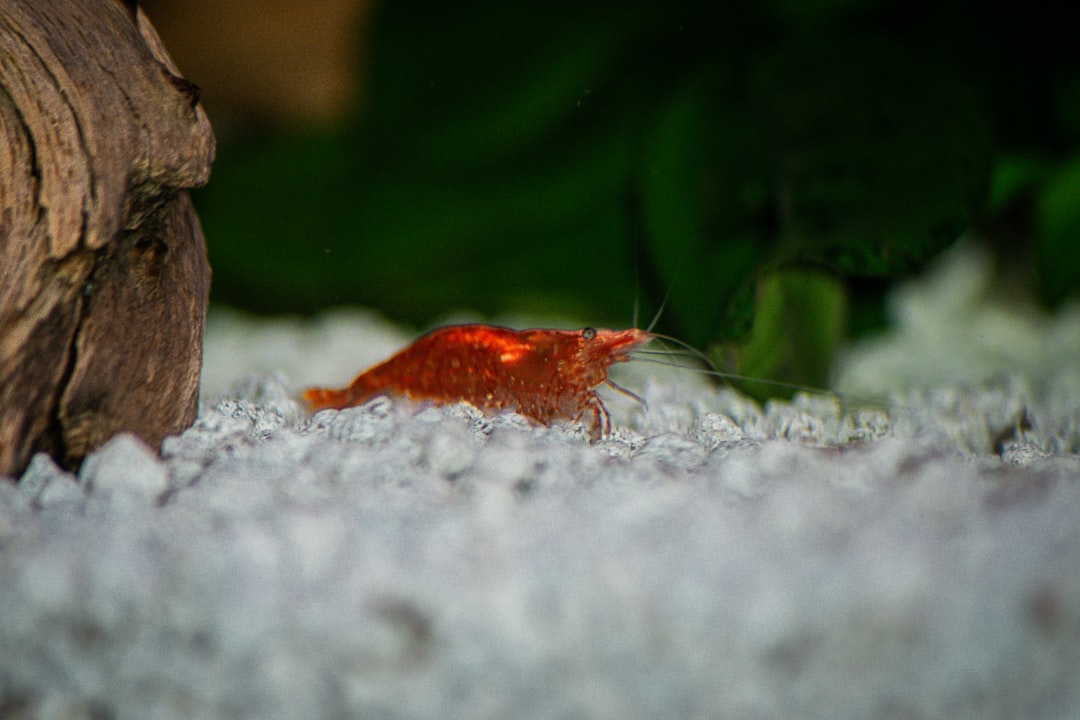
Cherry shrimp — Neocaridina davidi — are among the easiest and most rewarding invertebrates in the hobby, but their aquascape needs differ sharply from those of fish. An aquascape cherry shrimp colony guide prioritises grazing surfaces, hiding spots for moulting, and gentle water conditions over dramatic focal points. Gensou Aquascaping Singapore has designed shrimp-focused tanks for clients across the island, drawing on over 20 years of experience at 5 Everton Park.
Why Aquascape Design Matters for Shrimp
Cherry shrimp spend their lives grazing biofilm, picking at algae, and seeking shelter during vulnerable moults. A bare tank with a sponge filter works functionally, but a thoughtfully aquascaped environment reduces stress, encourages breeding, and makes the colony far more visible against a natural backdrop. Reds pop against green moss; oranges glow against dark wood.
Ideal Tank Size
A 20–30 litre tank strikes the ideal balance. Larger volumes buffer water parameters more effectively — important because shrimp are sensitive to sudden TDS and pH swings. A rimless nano tank of 25 litres houses a thriving colony of 30–50 adults with room for population growth.
Smaller setups (10–15 litres) work for experienced keepers who maintain water changes religiously, but beginners should start bigger. In HDB flats, a 30 cm cube fits on a desk and weighs roughly 25 kg filled — well within most furniture limits.
Substrate Selection
Active aquasoil (ADA Amazonia, Tropica Soil) gently lowers pH and provides a soft surface shrimp love to graze. For cherry shrimp specifically, an inert substrate like fine gravel or sand also works well — Neocaridina tolerate a wider parameter range (pH 6.5–7.8, GH 6–12 dGH) than their Caridina cousins.
Dark substrates make red cherry shrimp appear more vivid. Colour intensity is partly a response to background contrast — shrimp on black soil visually “fire up” more than the same animals on beige gravel.
Moss: The Cornerstone Plant
No shrimp scape is complete without moss. Java moss (Taxiphyllum barbieri) is the classic choice — hardy, fast-growing, and provides an enormous surface area for biofilm and microorganism colonies that shrimplets feed on. Flame moss grows upright, creating miniature trees when tied to vertical driftwood. Christmas moss has an attractive branching pattern that traps food particles at every tier.
Attach moss to hardscape with superglue gel or cotton thread. Within a month, it establishes and begins spreading naturally. Trim periodically to prevent interior sections from dying due to light starvation.
Other Plants That Support Shrimp
Anubias nana petite provides broad leaves where shrimp rest and graze. Bucephalandra attached to stone adds texture and colour. Subwassertang — a liverwort that resembles tangled seaweed — creates dense hiding spots for berried females and newly hatched shrimplets.
Floating plants like Salvinia or red root floaters dim the light and grow long, dangling roots that shrimp cling to and feed from. A partial floating cover mimics the shaded conditions shrimp prefer in the wild.
Hardscape for Hiding and Moulting
Cholla wood — the dried skeleton of a cactus — is the ultimate shrimp hardscape. Its tubular structure is riddled with holes that shrimplets hide in, and it grows biofilm rapidly after submersion. Soak it for 48 hours before adding to your tank; it sinks slowly on its own.
Driftwood, coconut shell hides, and porous ohko stone all provide moulting cover. Shrimp are extremely vulnerable during the minutes after shedding their exoskeleton — without hiding spots, tank mates or even other shrimp can harass them fatally.
Filtration: Shrimp-Safe Is Non-Negotiable
Sponge filters are the standard for shrimp tanks. They provide biological filtration, create gentle flow, and pose zero risk of sucking up shrimplets. If using a hang-on-back or canister filter, cover the intake with a fine stainless-steel mesh or a pre-filter sponge. Even a 2 mm gap is enough to trap a baby shrimp.
Flow should be gentle — cherry shrimp are not strong swimmers. Position the sponge filter in a rear corner and let the rest of the tank remain relatively calm.
Water Parameters and Maintenance
Singapore’s PUB tap water (GH 2–4 dGH) is softer than ideal for Neocaridina. Remineralise with a GH-boosting salt like Salty Shrimp GH/KH+ to reach 6–8 dGH. Monitor TDS with a TDS meter — target 180–250 ppm. Weekly 10–15 % water changes with parameter-matched replacement water keep things stable without shocking the colony.
Following this aquascape cherry shrimp colony guide creates a tank that is as functional as it is beautiful. At Gensou Aquascaping, our shrimp displays at 5 Everton Park consistently demonstrate that thoughtful planting and hardscape selection make the difference between a surviving colony and a thriving one.
Related Reading



