
Sulawesi Cardinal Shrimp Care Guide: Pristine Water and High Heat
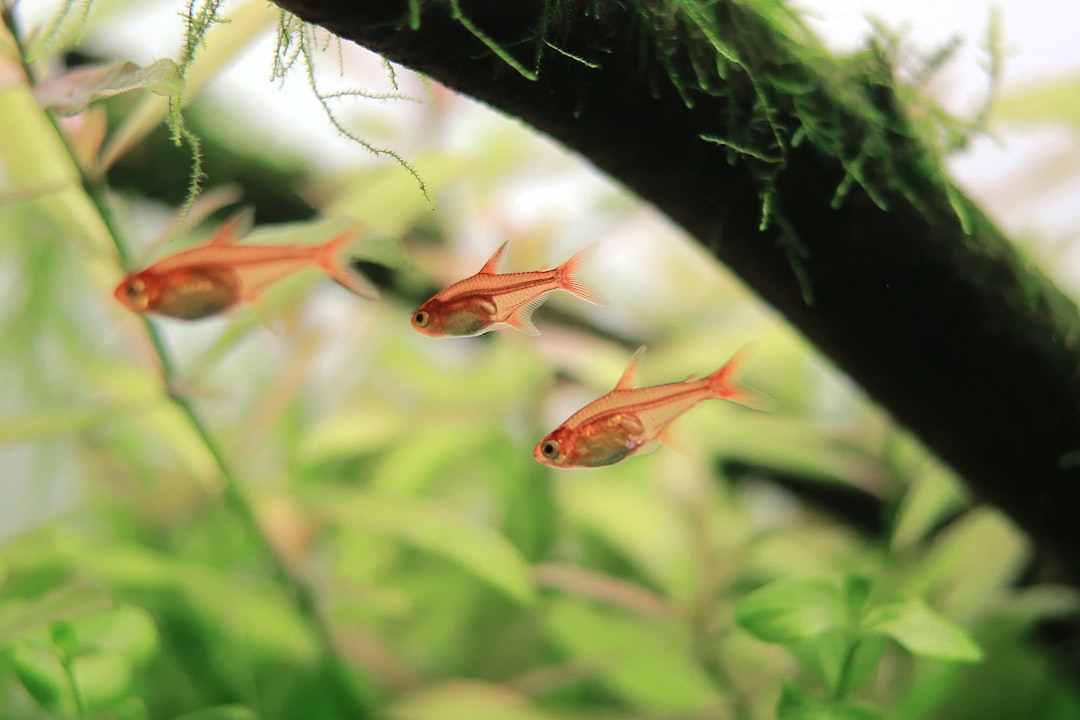
Deep crimson bodies dotted with brilliant white spots make the Sulawesi cardinal shrimp one of the hobby’s most sought-after invertebrates. This sulawesi cardinal shrimp care guide from Gensou Aquascaping Singapore — informed by over 20 years of hands-on experience at 5 Everton Park — details the specific conditions Caridina dennerli demands. These are not beginner shrimp, but keepers who rise to the challenge are rewarded with a truly spectacular species.
Natural Habitat
Caridina dennerli is endemic to Lake Matano in Sulawesi, Indonesia — an ancient tectonic lake with exceptionally clear, mineral-rich, alkaline water. The lake’s temperature hovers around 28–30 °C year-round, and its pH sits near 8.0–8.5. Cardinal shrimp live among rocks colonised by biofilm and micro-algae, rarely venturing far from these surfaces.
Replicating these conditions in a home aquarium is the central challenge. Any deviation from stable, warm, alkaline water can trigger stress, failed moults, and rapid colony decline.
Water Parameters
Target pH 7.8–8.4, GH 6–8, KH 4–6, TDS 180–260, and temperature between 27–30 °C. Singapore’s warm climate is a genuine advantage here — room temperature in most HDB flats and condos stays close to 28–30 °C without a heater. Air-conditioned rooms, however, can dip below 25 °C at night, so either run the tank in a non-air-conditioned space or add a preset heater as insurance.
Use remineralised RO water with a Sulawesi-specific salt like SaltyShrimp Sulawesi Mineral 8.5 to hit the target GH and KH. PUB tap water is too soft and acidic for this species even after conditioning. Small, frequent water changes — 10 % twice weekly — beat large infrequent ones for stability.
Tank Setup
A 30-litre nano tank works well for a colony of 10–15 shrimp. Lava rock and Sulawesi driftwood provide the textured surfaces cardinal shrimp need for grazing. Avoid active buffering substrates; an inert substrate like fine sand or crushed coral maintains the alkaline conditions these shrimp require. Sponge filtration is ideal — gentle flow, safe for shrimplets, and provides additional biofilm surface.
Lighting should be moderate. Too much encourages nuisance algae that outcompetes the thin biofilm layer cardinal shrimp graze on. A six to eight hour photoperiod under a low-intensity LED keeps the balance.
Diet and Feeding
Cardinal shrimp are primarily biofilm grazers. In a well-matured tank — cycled for at least two months before introducing shrimp — natural biofilm on rocks often provides the bulk of their nutrition. Supplement lightly with powdered foods like Bacter AE, spirulina powder, or finely crushed algae wafers two to three times per week.
Overfeeding is a serious risk. Decomposing food spikes ammonia in warm water far faster than in cooler tanks. If food remains after two hours, you have added too much. A colony of 15 in a mature 30-litre tank needs surprisingly little supplemental input.
Breeding Sulawesi Cardinal Shrimp
Females carry small clutches of 10–15 relatively large eggs for approximately 28–35 days. Shrimplets hatch fully formed, though at just 2 mm they are barely visible. Growth is slow — expect four to five months to reach adult size of roughly 2 cm. Low reproductive output is normal; do not expect Neocaridina-level population explosions.
Stable parameters matter far more than any breeding trigger. Colonies that crash almost invariably trace back to a parameter swing — a forgotten top-off, a large water change with mismatched TDS, or a temperature drop from a newly serviced air-conditioning unit.
Tank Mates
Keep Sulawesi cardinal shrimp in a species-only setup or alongside other Sulawesi endemic invertebrates like Caridina spongicola or Sulawesi rabbit snails (Tylomelania spp.). These snails share the same water requirements and add visual interest without competing for food. Avoid mixing with Neocaridina or Caridina cantonensis — their parameter needs are fundamentally incompatible.
Fish are generally best excluded. Even small, peaceful species create predation pressure on tiny shrimplets and add bioload that complicates the delicate water chemistry.
Where to Buy in Singapore
Sulawesi cardinal shrimp appear sporadically in specialist shops and more reliably through hobbyist sellers on Carousell and dedicated Facebook groups. Prices range from $8 to $15 per shrimp depending on size and colouration. Always ask how long the seller has held them and what parameters their tank runs — acclimation losses drop significantly when you buy from colonies already established in local conditions.
This sulawesi cardinal shrimp care guide covers the essentials, but the real key is patience. Mature the tank, stabilise your water, and resist the urge to tinker once the colony settles in. At Gensou Aquascaping, we have seen keepers succeed beautifully once they embrace the slow, steady approach these ancient-lake shrimp demand.
Related Reading
- Freshwater Aquarium Shrimp Species Guide: Every Type Compared
- Caridina vs Neocaridina Shrimp: Water, Care and Breeding Differences
- Orange Eye Blue Tiger Shrimp Care Guide: OEBT Parameters and Breeding
- Shrimp-Only Tank vs Community Tank: Pros, Cons and Stocking
- Best Aquarium Dechlorinators and Water Conditioners Compared



