
How to Breed Neocaridina Shrimp for Colour: Line Breeding Guide
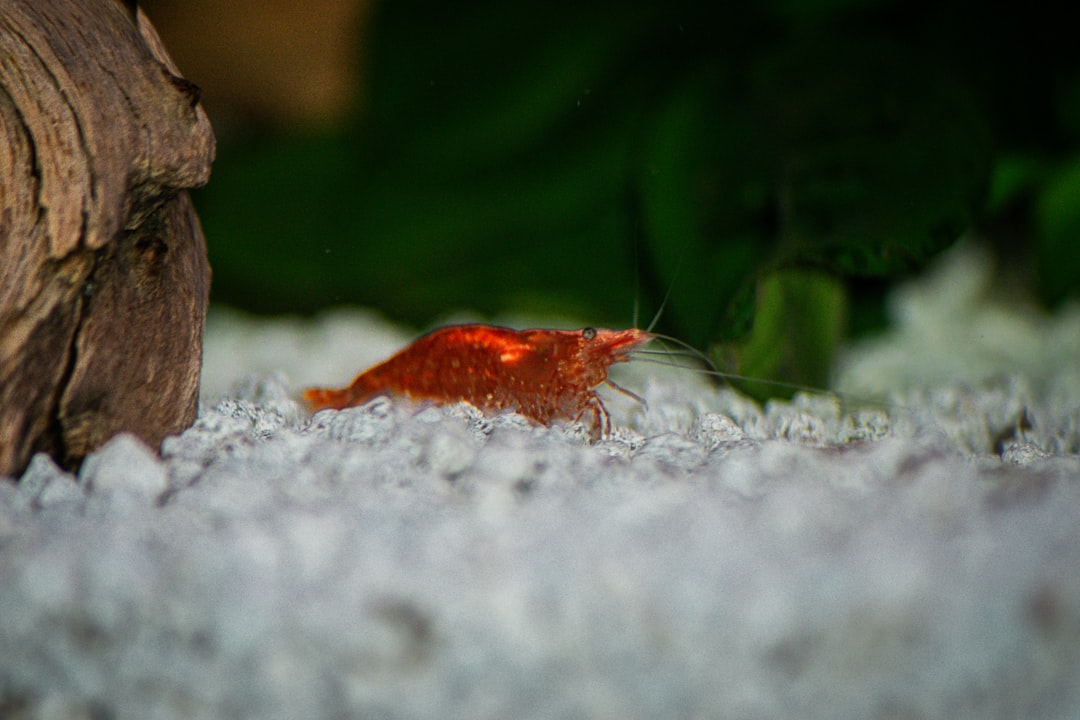
Selective breeding turns a handful of average-grade cherry shrimp into a colony of deep, consistent colour within a few generations. Understanding how to breed Neocaridina shrimp colour lines is both an art and a science — and this guide from Gensou Aquascaping Singapore, drawing on over 20 years of hands-on experience at 5 Everton Park, breaks it down into practical steps. Whether you are aiming for fire-red cherries or jet-black roses, the principles remain the same.
Understanding Neocaridina Colour Genetics
Neocaridina davidi colour morphs all descend from the same wild-type brown shrimp. Colour intensity is polygenic — controlled by multiple genes rather than a single switch. This means improvement is gradual, driven by choosing the best individuals each generation rather than waiting for a single dramatic mutation.
Different colour lines (red, blue, yellow, orange, green, black) originate from separate genetic pathways. Crossing two different colour lines almost always produces dull, wild-type offspring. Keep each colour line in its own tank to preserve purity.
Setting Up a Breeding Colony
Start with 15–20 shrimp of the highest grade you can afford. In Singapore, high-grade painted fire reds or blue dreams run $3–$8 each on Shopee and Carousell, making the initial investment modest. A 30-litre tank with a sponge filter, java moss, and an inert substrate is all you need — simple setups are easier to maintain and monitor.
Singapore’s PUB tap water works well for Neocaridina after dechloramination. Target pH 6.8–7.5, GH 4–8, temperature 24–28 °C. Stability matters more than hitting exact numbers — avoid chasing perfect parameters at the cost of swings.
Grading and Culling
Grading is the backbone of line breeding. For red cherry shrimp, the standard grades run from lowest to highest: cherry, sakura, fire red, painted fire red. Each grade reflects opacity and coverage — painted fire red shrimp show solid colour with zero translucent patches, even on the legs and underside.
Cull ruthlessly but humanely. Move lower-grade shrimp to a separate community tank or sell them as feeders rather than letting them breed in your main colony. Culling every generation tightens the gene pool. Most breeders see noticeable improvement by the third or fourth generation — roughly nine to twelve months from the start.
Selective Pairing Strategies
Isolating your best male and best female in a small breeding container accelerates progress, but it also risks inbreeding depression — reduced fertility, smaller broods, and weaker offspring. A better approach for most hobbyists is to maintain a colony of 30–50 adults, removing the bottom 20 % each generation while occasionally introducing one or two unrelated high-grade shrimp from another breeder’s line.
Females are easier to grade because they are larger and more colourful. Males tend to be thinner and slightly less saturated — judge them under consistent lighting to avoid misleading assessments. Side-lighting with a torch reveals translucency that overhead tank lights can mask.
Optimising Breeding Output
Well-fed Neocaridina in stable conditions produce a new clutch roughly every 30–45 days. Females carry 25–40 eggs depending on size and nutrition. High-protein foods — frozen bloodworm once a week, quality shrimp pellets, blanched spinach — boost brood size. Calcium-rich supplements support clean moults, which must happen before a female can mate.
Temperature plays a role. Warmer water (26–28 °C) speeds metabolism and reproductive cycles but shortens overall lifespan. Cooler water (22–24 °C) slows breeding but produces hardier shrimp. In Singapore, ambient room temperature around 28 °C naturally favours faster turnover — useful when you want generational progress quickly.
Common Mistakes
Mixing colour lines is the most common error. A single rogue blue dream in a red cherry colony produces wild-type brown offspring that take generations to breed out. Label tanks clearly, quarantine new stock, and never share nets between colonies without rinsing.
Overfeeding clouds water, spikes nitrates, and encourages planaria — flatworms that prey on shrimplets. Feed only what the colony consumes within two hours. In a well-matured tank with biofilm, supplemental feeding every other day is sufficient for 30 adults.
Selling Your Line-Bred Shrimp
Once your colony consistently produces high-grade offspring, Singapore’s hobbyist market offers ready buyers. Carousell listings with clear photos under white light sell fastest. Price fairly — painted fire reds typically move at $3–$5 each, while rarer morphs like bloody mary or blue steel can fetch $6–$10. Shipping within Singapore is straightforward using insulated bags and styrofoam boxes, especially during cooler morning hours.
Learning to breed Neocaridina shrimp colour lines is one of the most rewarding niches in the freshwater hobby. Patience, consistent culling, and stable water are the pillars of success — no shortcuts, just steady, visible improvement generation by generation.
Related Reading
- Caridina vs Neocaridina Shrimp: Water, Care and Breeding Differences
- Freshwater Aquarium Shrimp Species Guide: Every Type Compared
- Best Shrimp for a Planted Aquarium: Algae Eaters and Cleaners
- Shrimp-Only Tank vs Community Tank: Pros, Cons and Stocking
- Orange Eye Blue Tiger Shrimp Care Guide: OEBT Parameters and Breeding



