
Best Shrimp for a Planted Aquarium: Algae Eaters and Cleaners
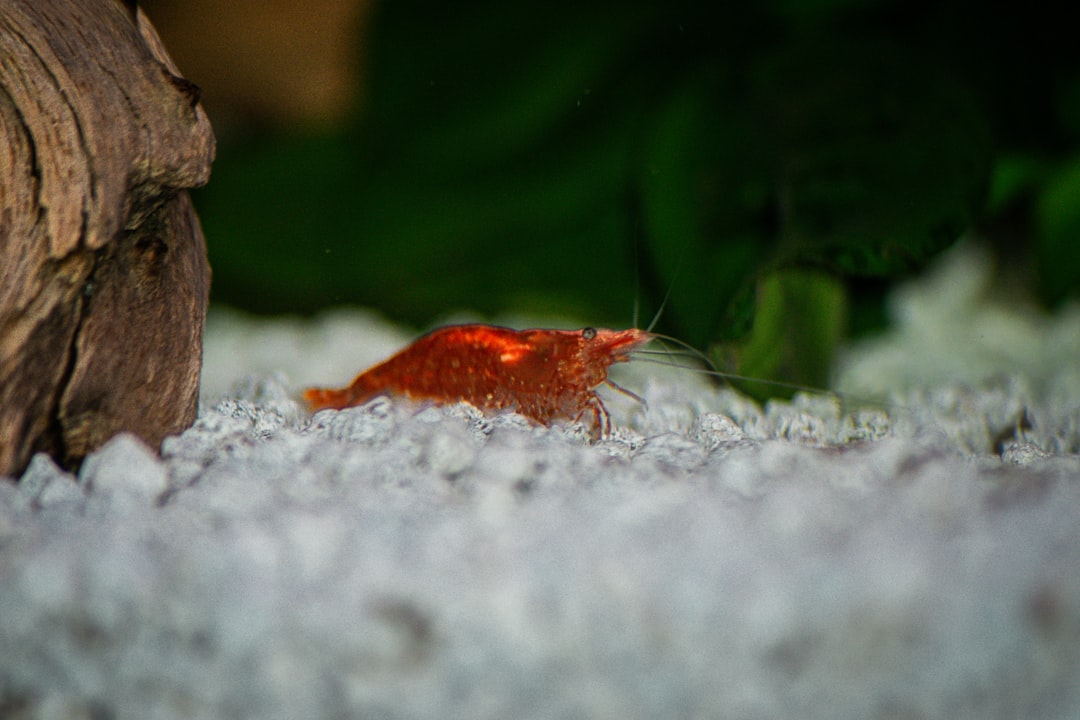
Shrimp and planted tanks are natural partners — the shrimp graze algae and detritus while the plants provide shelter, biofilm, and oxygen. Choosing the best shrimp for a planted aquarium depends on your tank size, plant species, and whether you prioritise cleanup duty or visual impact. Gensou Aquascaping Singapore, with over 20 years of hands-on experience at 5 Everton Park, shares the species we recommend most often to local hobbyists.
Amano Shrimp: Top Algae Control
Caridina multidentata remains the gold standard for planted tank cleanup. At 4–5 cm, they tackle hair algae, brush algae, and film algae more aggressively than any dwarf shrimp. A group of five in a 60-litre tank makes a noticeable difference within days. They leave healthy plants untouched — only damaged or decaying foliage attracts their attention.
Amano shrimp coexist peacefully with virtually all community fish and other shrimp species. Their main limitation is that they cannot breed in freshwater, so you will need to replace losses over time. Expect to pay $2–$4 each at Singapore shops around Serangoon North or C328 Clementi.
Neocaridina Cherry Shrimp: Colour and Function
Neocaridina davidi in their various colour forms — red, blue, yellow, orange — combine aesthetic appeal with respectable algae grazing. They are smaller than Amano shrimp at 2–3 cm, so their individual impact is less dramatic, but a colony of 20–30 compensates through sheer numbers. They breed readily in planted tanks, sustaining the population indefinitely.
Cherry shrimp thrive in the same water conditions as popular plants like java fern, Anubias, and Bucephalandra. Singapore’s soft tap water suits both plants and shrimp, making this pairing particularly convenient for local hobbyists.
Crystal Red Shrimp: Beauty Over Utility
Caridina cantonensis crystal reds are breathtaking in a lush green scape — white and red bands against a carpet of Hemianthus callitrichoides or Monte Carlo creates a classic Amano-style look. However, they are more fragile than Neocaridina and demand soft acidic water with active buffering substrate.
Their algae-eating ability is modest. Think of crystal reds as ornamental residents rather than a cleanup crew. Pair them with Amano shrimp if you need serious algae control in a Caridina-compatible setup.
Bamboo Shrimp: Unique Filter Feeding
Atyopsis moluccensis adds a fascinating behavioural element to planted tanks. Perched on hardscape in the current path, they fan their chelipeds to catch suspended particles — a captivating display. At 6–8 cm, they are visually impressive and entirely plant-safe. Dense planting around their favourite perch gives them security.
Bamboo shrimp need supplemental powdered food (spirulina, Bacter AE) dispersed into the water column. They do not graze surfaces, so they will not compete with your dwarf shrimp for algae. A single bamboo shrimp in a 60-litre planted tank is a reliable conversation starter.
Species to Avoid in Planted Tanks
Indian whisker shrimp (Macrobrachium spp.) are affordable but semi-aggressive — they catch small fish and attack dwarf shrimp, especially at night. Long-arm shrimp species in general should be avoided unless you run a species-only tank. Large crayfish, while not shrimp, are sometimes suggested as alternatives; they will uproot plants and eat anything they catch.
Ghost shrimp are borderline. They graze algae adequately and are cheap, but some specimens grow large enough to become opportunistic predators of shrimplets. For a dedicated planted shrimp setup, cherry or Amano shrimp are safer choices.
Stocking Density and Plant Compatibility
For a 60-litre planted tank, a practical combination is five Amano shrimp for heavy algae duty plus 15–20 cherry shrimp for colour and continuous biofilm grazing. This mix covers all surfaces — glass, hardscape, plant leaves, and substrate. Avoid overstocking; shrimp bioload is low, but excessive numbers compete for limited algae and biofilm, leading to slower growth and less vibrant colour.
Most aquarium plants coexist well with shrimp. Avoid copper-based fertilisers — even “shrimp-safe” claims deserve scepticism. Lean dosing with a quality liquid fertiliser keeps plants healthy without risking invertebrate toxicity.
Making the Final Choice
Matching the best shrimp for a planted aquarium to your specific setup is straightforward once you know each species’ strengths. Amano shrimp for raw cleaning power, cherry shrimp for colour and self-sustaining colonies, crystal reds for show-quality aesthetics, and bamboo shrimp for behavioural interest. Most planted tanks benefit from a thoughtful combination rather than a single species — variety in function mirrors the diversity of a healthy ecosystem.
Related Reading
- Freshwater Aquarium Shrimp Species Guide: Every Type Compared
- Caridina vs Neocaridina Shrimp: Water, Care and Breeding Differences
- How to Aquascape a Shrimp-Only Tank: Moss, Flow and Hiding Spots
- How to Breed Neocaridina Shrimp for Colour: Line Breeding Guide
- Vampire Shrimp vs Bamboo Shrimp: Filter Feeders Compared



