
Molly Fish Care Guide: Types, Breeding and Tank Setup
Mollies rank among the most recognisable freshwater fish in the hobby, yet their care is often oversimplified. This molly fish care guide types breeding resource from Gensou Aquascaping Singapore — drawing on over 20 years of hands-on experience at 5 Everton Park — walks you through every variety, their breeding habits, and the tank conditions that keep them at their best. Whether you are setting up your first community tank or expanding a livebearer collection, understanding molly needs prevents the common pitfalls many beginners face.
Popular Molly Types and Varieties
The genus Poecilia encompasses several species sold under the molly umbrella. Common mollies (Poecilia sphenops) stay compact at around 6–8 cm, while sailfin mollies (Poecilia latipinna) develop a dramatic dorsal fin and reach 10–12 cm. Balloon mollies, with their rounded body shape, are a selectively bred morph — striking to look at, though they can be slightly more prone to swim bladder issues.
Colour morphs are extensive: black, dalmatian, gold dust, silver, and creamsicle are just a handful available at local fish shops along Serangoon North Avenue 1 and online via Shopee. Prices typically range from $1.50 to $5 per fish depending on variety and size.
Tank Size and Setup
A 60-litre tank comfortably houses a small group of four to six mollies. Larger sailfin varieties benefit from 80 litres or more to accommodate their adult size and active swimming habits. Provide moderate water flow, open midwater space for cruising, and patches of tall plants like Vallisneria or Hygrophila along the back and sides.
Mollies appreciate a sandy or fine gravel substrate and gentle filtration. In Singapore’s HDB flats, a standard 60 cm tank on a sturdy cabinet works perfectly — just ensure the stand can handle roughly 70 kg of total weight once filled.
Water Parameters and Singapore Tap Water
Here is where mollies differ from many tropical fish: they genuinely thrive in slightly hard, alkaline water. A pH of 7.0–8.2 and GH of 10–20 dGH suits them best. Singapore’s PUB tap water is naturally soft (GH 2–4), so you may need to add crushed coral or a remineraliser to raise hardness. Temperature should sit between 24–28 °C — rarely an issue in our climate without a heater.
Some hobbyists add a teaspoon of aquarium salt per 10 litres. While mollies tolerate brackish conditions, salt is not mandatory if your water hardness is adequate. Always use a water conditioner that handles chloramine.
Feeding and Diet
Mollies are omnivores with a strong herbivorous leaning. Algae wafers, blanched vegetables such as zucchini or spinach, and spirulina-based flakes should form the core diet. Supplement with high-quality pellets and occasional frozen bloodworms or brine shrimp for protein.
Overfeeding is the most common mistake. Two small meals per day — consumed within two minutes — keeps water quality manageable and prevents the bloating mollies are prone to.
Breeding Mollies
Livebearers breed prolifically, and mollies are no exception. Females store sperm and can produce a new batch of 20–60 fry every 28–35 days without a male present in the tank. Gestation is visible as the gravid spot near the anal fin darkens and the belly swells noticeably.
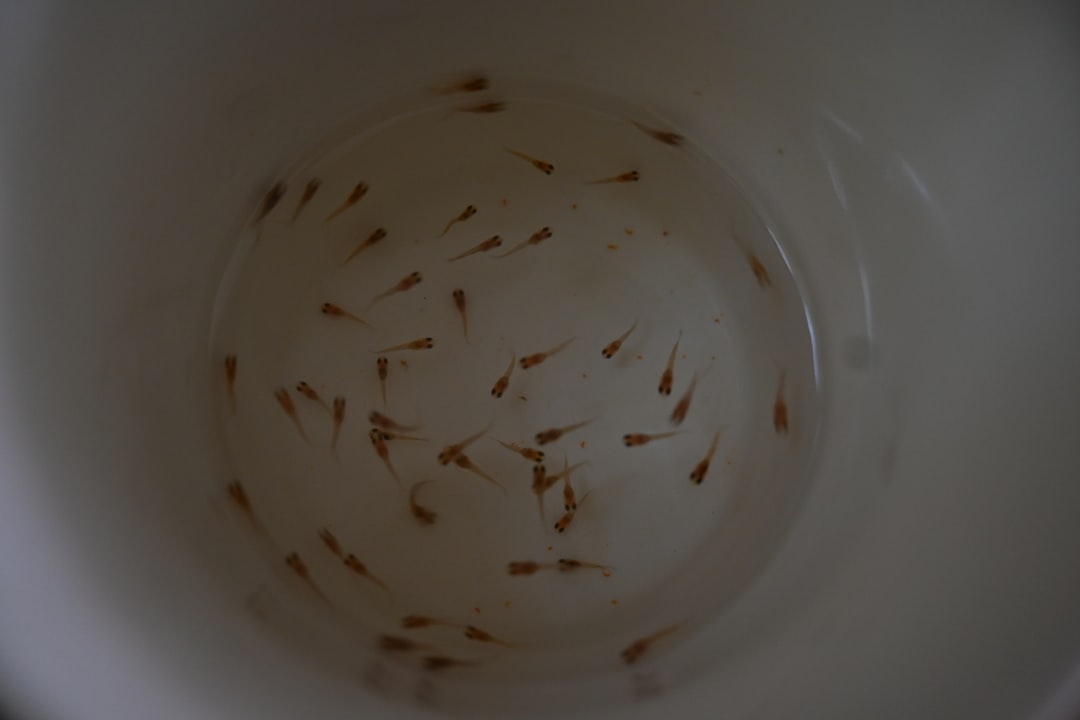
Fry are born free-swimming and roughly 7–10 mm long. Dense floating plants like Ceratopteris or a breeding box protect newborns from being eaten by adults. Feed crushed flake and baby brine shrimp from day one. Growth is rapid — expect juveniles to reach 2 cm within six weeks.
Compatible Tank Mates
Peaceful community fish pair well with mollies. Good choices include platies, swordtails, corydoras catfish, bristlenose plecos, and larger tetras like congo or emperor tetras. Avoid fin nippers such as tiger barbs, and skip small nano species that may be hassled by mollies during feeding.
Male mollies can be mildly territorial, especially sailfin types. Keeping two or three females per male distributes attention and reduces chasing.
Common Health Issues
Mollies are susceptible to shimmying — a distinctive side-to-side rocking without forward movement. This almost always traces back to water that is too soft or too cool. Correcting hardness and ensuring stable temperatures resolves most cases within days.
White spot disease (ich) and fin rot appear when water quality dips. Regular 25 % weekly water changes and avoiding overstocking are your strongest defences. Quarantine new arrivals for at least a fortnight to protect your existing stock.
Related Reading



