
Pea Puffer vs Dwarf Puffer: Tiny Predators Compared
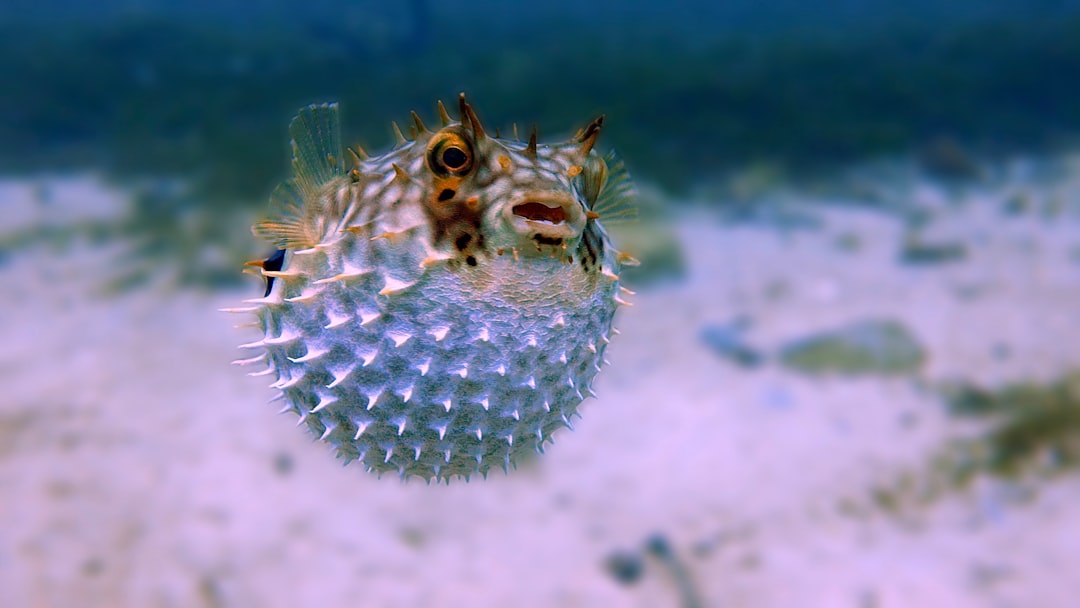
Pea puffers and dwarf puffers generate endless confusion in the hobby because the names are often used interchangeably — yet they can refer to different species with distinct care needs. This pea puffer vs dwarf puffer comparison from Gensou Aquascaping Singapore, backed by over 20 years of hands-on experience at 5 Everton Park, clarifies the taxonomy, compares their care requirements, and helps you decide which tiny predator suits your setup. Getting the identification right from the start saves headaches down the line.
Clearing Up the Names
The fish most commonly sold as a “pea puffer” or “dwarf puffer” in Singapore is Carinotetraodon travancoricus, native to Kerala, India. Both names refer to the same species. Confusion arises because some shops also sell Carinotetraodon imitator (the Malabar puffer) under the dwarf puffer label — a closely related but subtly different fish.
C. travancoricus maxes out at roughly 2.5 cm, making it the smallest pufferfish in the world. C. imitator reaches a similar size but has a more subdued colour pattern and slightly different male markings. For this guide, both species receive parallel coverage where their care diverges.
Tank Size and Setup
Despite their size, pea puffers are territorial and need more space than their dimensions suggest. A 20-litre tank suits a single fish; groups of three to five need 40–60 litres with dense planting to break sightlines. Java moss, Anubias, Bucephalandra, and floating plants create the visual barriers that reduce aggression.
Driftwood, stones, and plant thickets transform a small tank into a complex habitat where each puffer can claim a territory. Bare, open tanks lead to relentless chasing and fin damage, especially among males.
Water Parameters
Both species are strictly freshwater — no salt required. Target pH 6.5–7.5, GH 5–15 dGH, and temperature 24–28 °C. Singapore’s PUB tap water, once treated for chloramine, falls comfortably within range. A gentle sponge filter provides adequate flow without creating currents that stress these weak swimmers.
Pea puffers are sensitive to ammonia and nitrite. Cycle your tank fully before adding them, and maintain nitrate below 20 ppm with weekly 25 % water changes.
Feeding These Micro-Predators
Feeding is where pea puffers demand the most attention. They rarely accept dry food and instead require a live or frozen diet: bloodworms, daphnia, brine shrimp, and — crucially — small snails. Pest snails like ramshorn or bladder snails serve double duty as food and dental care, wearing down the puffer’s continuously growing beak-like teeth.
Culture pest snails in a separate container to ensure a steady supply. Without regular hard-shelled prey, pea puffer teeth can overgrow, eventually preventing the fish from eating at all. Feed small portions daily — enough for each puffer to get its share, as dominant individuals monopolise food aggressively.
Temperament and Social Behaviour
Pea puffers pack enormous personality into a tiny body. Males are territorial and display by darkening their belly stripe and flaring at rivals. Females are generally less confrontational but still assert themselves at feeding time. A ratio of one male to two females reduces conflict in group setups.
C. imitator tends to be marginally less aggressive than C. travancoricus in mixed groups, though individual variation exists. Neither species should be considered a community fish in the traditional sense.
Tank Mate Compatibility
Most experienced keepers maintain pea puffers in a species-only tank. Their tendency to nip fins makes them incompatible with slow-moving or long-finned fish. If you insist on companions, fast-moving nano species like Boraras rasboras or otocinclus catfish have the best survival rate — but monitor closely.
Shrimp are generally viewed as food, not tank mates. Adult Neocaridina may survive in a heavily planted tank, but juveniles will be hunted relentlessly. Snails other than pest species (nerite, mystery snails) are usually left alone once the puffers learn they cannot crack the shells.
Breeding Pea Puffers
Breeding is achievable in the home aquarium. Males court females with vibrant colour displays and lead them toward spawning sites in dense moss or fine-leaved plants. Females deposit one to five eggs per spawning event, often over several consecutive days. Eggs hatch in approximately five days at 26 °C.
Fry are minuscule and need infusoria or vinegar eels for the first week before graduating to baby brine shrimp. Separate fry from adults to prevent predation. Raising pea puffer fry requires patience and daily feeding — but successfully bred specimens are highly sought after on Carousell, typically fetching $3–$5 each.
Where to Buy in Singapore
Pea puffers appear regularly at shops along Serangoon North Avenue 1 and on online platforms like Shopee and Carousell. Prices range from $2 to $5 per fish. Always inspect carefully before purchasing — healthy pea puffers are active, alert, and have a slightly rounded belly. Sunken bellies indicate starvation or internal parasites. Quarantine new arrivals for two weeks as a precaution.
Related Reading

emilynakatani
Still Have Questions About Your Tank?
Drop by Gensou Aquascaping — most walk-in questions get answered in under 10 minutes by someone who has set up hundreds of tanks.
5 Everton Park #01-34B, Singapore 080005 · Open daily 11am – 8pm


