
Bristlenose Pleco Breeding Guide: Caves, Fry and Colony Management
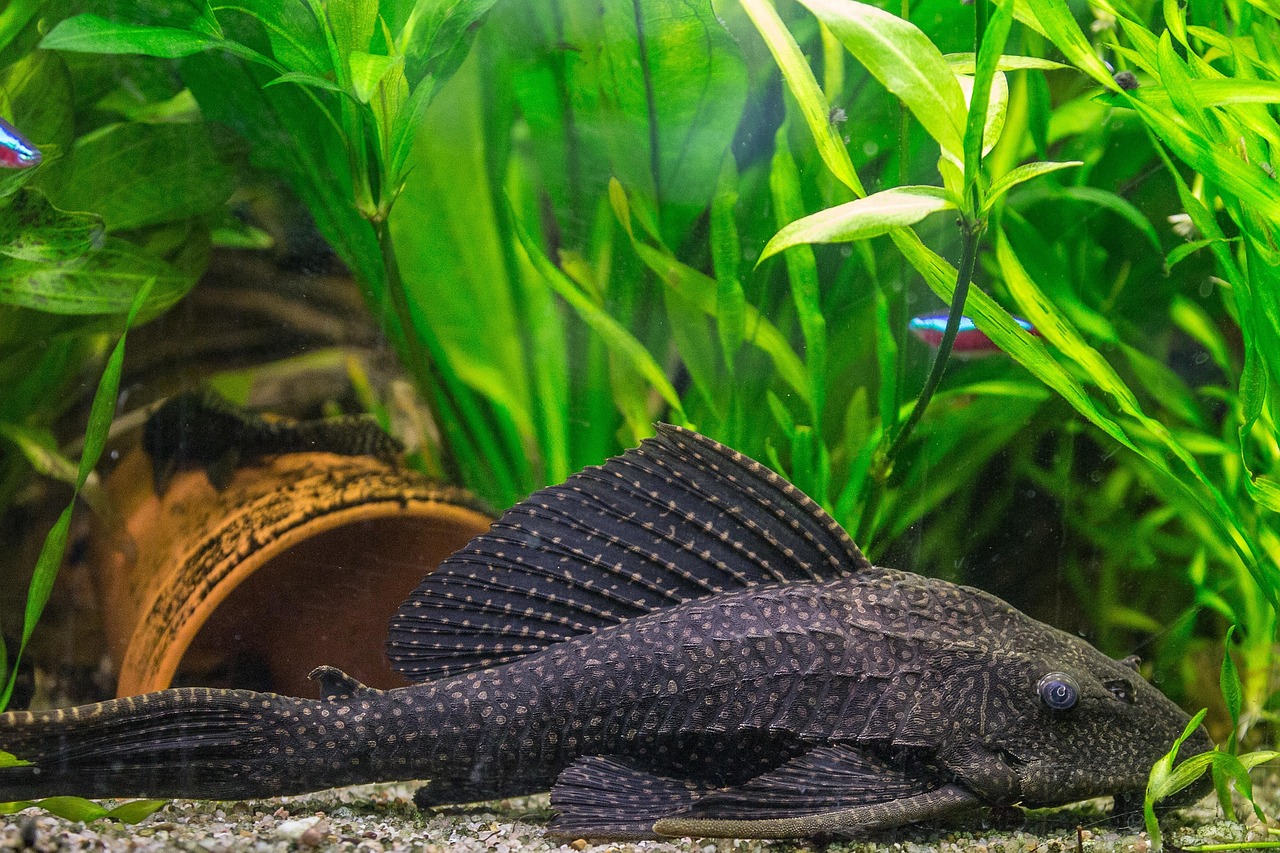
Bristlenose plecos are one of the most rewarding freshwater fish to breed at home — hardy parents, manageable clutch sizes, and fry that practically raise themselves in a well-prepared tank. This bristlenose pleco breeding guide complete with every stage from conditioning adults to raising sellable juveniles comes from Gensou Aquascaping at 5 Everton Park, Singapore, where we have guided hobbyists through the process for over 20 years.
Sexing Bristlenose Plecos
Males develop prominent forked bristles (tentacles) on the snout from around 6–8 months of age. Females grow smaller, simpler bristles along the lip line only. At maturity — roughly 10–12 cm for common Ancistrus species — the difference is unmistakable. If your fish are still under 5 cm, patience is the only reliable sexing method; venting is possible but tricky with armoured catfish.
Setting Up a Breeding Tank
A dedicated 60–80 litre tank works well for one male and two to three females. Provide a sponge filter for gentle flow and fry safety, a bare bottom or thin sand layer for easy cleaning, and multiple caves. Ceramic pleco caves with a single entrance, sized so the male fits snugly, are ideal. Driftwood is important too — bristlenoses rasp wood fibre as part of their diet, and it aids digestion.
Singapore’s tap water, after dechloramination, suits bristlenose breeding without adjustment. Aim for a pH of 6.5–7.5, temperature around 26–28 °C, and keep nitrates below 20 ppm with twice-weekly 30 % water changes. A slight temperature drop during a water change — using water 2 °C cooler — often triggers spawning.
Conditioning and Triggering Spawns
Feed a protein-rich diet for two weeks before you want spawning to begin. Blanched courgette, cucumber, and sweet potato form the staple, supplemented with frozen bloodworm, sinking catfish wafers, and occasional live blackworm. Well-conditioned females develop a noticeably rounder belly when viewed from above.
Large partial water changes mimicking a rainstorm are the classic trigger. Drop the water level by 40 %, refill slowly with slightly cooler dechloraminated water, and increase aeration. Many breeders find spawns follow within 48 hours.
Egg Care and the Male’s Role
The male entices a female into his chosen cave, where she deposits 30–80 bright orange eggs on the ceiling. He then fertilises them and guards the clutch exclusively — fanning the eggs with his fins, removing fungused ones, and refusing food for the entire incubation period of five to ten days. Do not disturb him during this time. Shining a torch into the cave daily for a quick check is enough.
Eggs darken as they develop, and tiny tails become visible a day or two before hatching. If the male abandons the clutch — sometimes caused by persistent disturbance or poor water quality — you can artificially hatch eggs by placing them in a mesh breeder box with gentle aeration.
Raising Fry
Newly hatched fry carry a large yolk sac and remain clumped in the cave for three to four days. Once free-swimming, they immediately graze on biofilm. Supplement with blanched courgette slices, crushed algae wafers, and powdered spirulina. Growth is steady: expect 2–3 cm at one month and 4–5 cm by three months.
Fry survival rates in a dedicated breeding tank easily exceed 90 %. In a community tank, survival drops significantly — adult fish, including the parents, may eat stray fry. If breeding in a community setup, provide abundant hiding spots with dense moss and leaf litter.
Managing a Breeding Colony
A productive male can spawn every four to six weeks, meaning a single trio produces hundreds of fry per year. Without a plan, you will be overwhelmed quickly. In Singapore, juvenile bristlenoses sell for $2–$5 each on Carousell and at local fish shops that accept trade-ins. Grow fry to 3–4 cm before selling — smaller fish are fragile and harder to rehome. Maintaining a steady output of healthy juveniles builds a reliable side income for dedicated hobbyists.
Common Breeding Problems
Fungused eggs usually indicate poor water quality or an inexperienced male — first-time fathers sometimes abandon clutches. Patience pays off; most males improve with subsequent spawns. Egg-eating by the male is rare but can happen under stress. Ensure the breeding tank is in a low-traffic area, away from vibrations and sudden light changes. Avoid medicating a tank with eggs or fry — ich treatments containing copper are lethal to young bristlenoses.
Related Reading



