
Skunk Cleaner Shrimp Care Guide: The Reef Tank Parasite Patrol
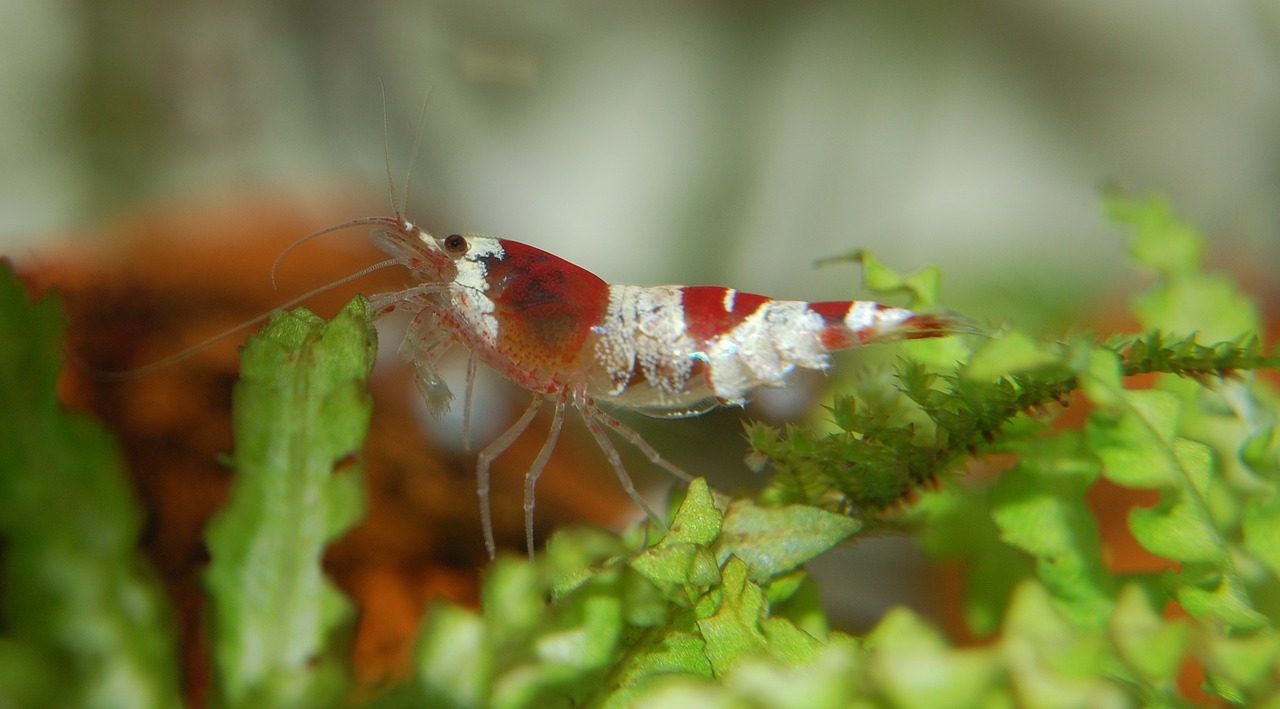
Watch a skunk cleaner shrimp set up station on a rock ledge, antennae waving, and before long your fish will queue up for a cleaning session. It is one of the most fascinating symbiotic behaviours you can witness in a home aquarium. This skunk cleaner shrimp care guide for marine tanks covers everything from acclimation to diet, helping you keep Lysmata amboinensis healthy and active. At Gensou Aquascaping Singapore, we consider the cleaner shrimp a functional and entertaining addition to virtually any reef setup.
Species Profile
Lysmata amboinensis, the Indo-Pacific white-striped cleaner shrimp, grows to about 7–8 cm in body length. Two vivid red longitudinal stripes bordered by white run along the back, and long white antennae extend well beyond the body. In the wild, these shrimp establish cleaning stations on coral heads where fish visit to have parasites, dead skin, and mucus removed. Captive shrimp retain this behaviour — they will clean your hand if you hold it still near their station.
Acclimation — The Most Critical Step
Shrimp are far more sensitive to salinity and pH changes than most fish. A drip acclimation over 60–90 minutes is essential. Float the bag to equalise temperature, then set up a slow drip line from your tank into a bucket containing the shrimp and its bag water. Aim for roughly two to three drips per second until the volume has tripled. Only then transfer the shrimp to your tank using a net — never pour shop water into your system. Rushed acclimation is the leading cause of cleaner shrimp deaths within the first 48 hours.
Water Parameters
Stable conditions matter enormously. Target salinity of 1.024–1.026, temperature between 25 and 27 °C, alkalinity 7–9 dKH, calcium 400–440 ppm, and magnesium 1300–1400 ppm. Iodine is important for successful moulting — regular water changes with a quality salt mix usually supply sufficient iodine, but if you notice incomplete moults or soft shells, a dedicated iodine supplement may help. Avoid copper-based medications in any tank housing shrimp; copper is lethal to crustaceans even at low concentrations.
Moulting
Cleaner shrimp moult every three to six weeks, shedding their exoskeleton to grow. After moulting, the shrimp is soft and vulnerable for 24–48 hours and will hide among rockwork. Do not panic if you spot what looks like a dead shrimp on the sandbed — it is almost certainly just the discarded shell. Leave the moult in the tank; the shrimp often eats it to recycle minerals. Ensure stable calcium and magnesium levels to support the formation of a strong new exoskeleton.
Diet
While cleaner shrimp earn their keep by removing parasites from fish, they are opportunistic omnivores that need supplemental feeding. Offer small portions of frozen mysis, brine shrimp, or finely chopped seafood. They also accept marine pellets and flake food, and they are quick to intercept food meant for fish — those long antennae are remarkably effective at snatching morsels from the water column. In a well-fed reef tank, supplemental feeding once daily is sufficient. If you are target feeding corals, be prepared for the shrimp to investigate and steal food — it is part of their charm.
Cleaning Behaviour and Tank Benefits
Beyond the entertainment value, cleaner shrimp provide genuine health benefits to your fish. They remove Cryptocaryon (marine ich) parasites during the free-swimming stage, reduce bacterial load on skin wounds, and help keep fish stress levels low. Newly introduced fish often seek out the cleaning station within hours. Some hobbyists report that tanks with cleaner shrimp experience fewer disease outbreaks, though this should not replace proper quarantine protocols. Think of the shrimp as a helpful supplement to, not a substitute for, good husbandry.
Compatibility
Skunk cleaner shrimp are peaceful and reef-safe. They will not harm corals, clams, or other invertebrates. Keep them away from aggressive predators — triggers, large wrasses, and hawkfish may view shrimp as food. A pair of cleaner shrimp coexists beautifully in tanks of 100 litres or more. Lysmata amboinensis are simultaneous hermaphrodites, meaning any two individuals can form a breeding pair. They produce eggs regularly, though raising the larvae in a home aquarium is extremely challenging due to their planktonic phase.
Buying Cleaner Shrimp in Singapore
Skunk cleaner shrimp are widely available at marine shops across Singapore, including those around Serangoon North and Clementi, typically priced at $15–$30 each. Choose active individuals with all legs and antennae intact — missing appendages regrow at the next moult but indicate recent stress. At Gensou Aquascaping, we recommend adding a cleaner shrimp early in your reef’s stocking schedule. It establishes a cleaning station that benefits every fish you introduce afterwards.
Related Reading



