Marine Cleanup Crew Stocking Guide: Snails, Hermits and Shrimp
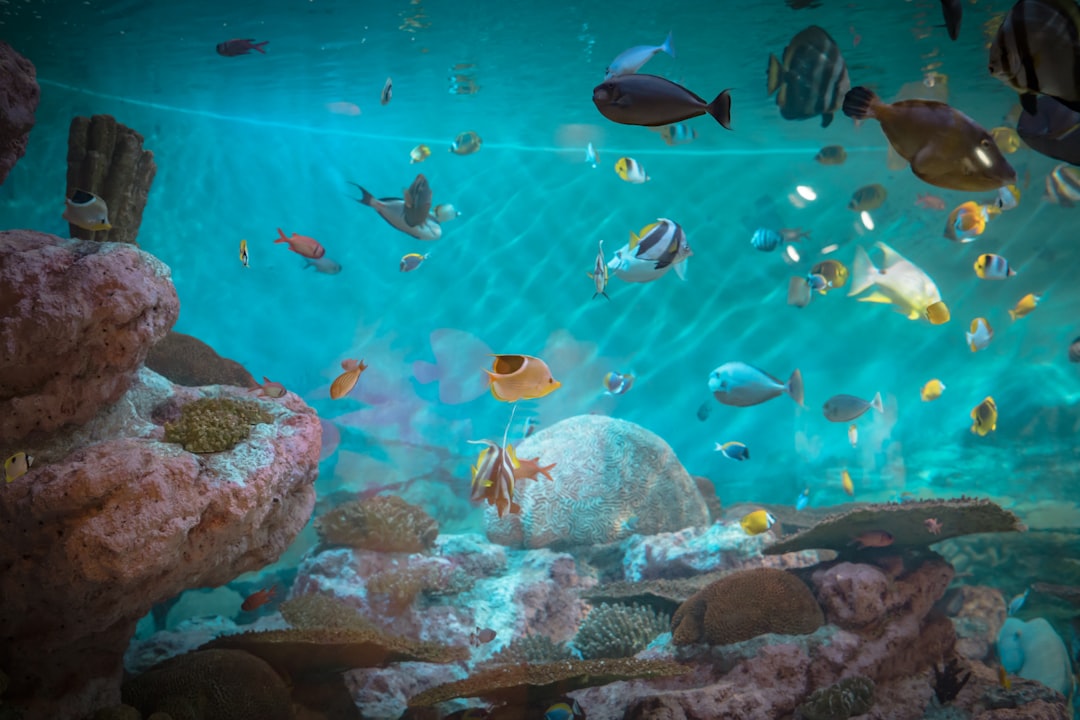
A well-chosen cleanup crew works around the clock, grazing algae, scavenging uneaten food and turning over sand — jobs that keep your marine tank healthier between water changes. This marine cleanup crew stocking guide helps you pick the right species and quantities for your system. At Gensou Aquascaping Singapore, we have stocked hundreds of reef and FOWLR tanks across the island, and the balance between too few and too many cleaners matters more than most beginners realise.
Why Every Marine Tank Needs a Cleanup Crew
Algae is inevitable in any saltwater aquarium. Diatoms coat new tanks within weeks, green film follows, and nuisance species like hair algae and cyanobacteria lurk at every nutrient imbalance. Mechanical removal by hand is tedious and never complete. Cleanup crew invertebrates target different algae types and detritus zones, collectively covering surfaces you cannot reach — underneath rocks, between coral branches and deep in the sand bed.
Snails: The Algae Front Line
Turbo snails (Turbo fluctuosa) are the heavy grazers, capable of clearing visible patches of green algae overnight. Stock one per 40 litres for moderate algae loads. Trochus snails are smaller, more agile and less likely to knock over unsecured coral frags — a better choice for nano reef setups. Nassarius snails burrow in the sand and emerge at feeding time to consume leftover food; they also aerate the substrate, preventing anaerobic pockets. Astrea snails handle film algae on glass but cannot right themselves if they fall, so keep an eye on them.
Hermit Crabs: Versatile Scavengers
Dwarf blue-leg and red-leg hermit crabs pick at algae, detritus and uneaten pellets. They are inexpensive — often $2 to $4 each at Singapore marine shops — and work in groups. Stock roughly one per 15 to 20 litres, but provide spare empty shells to reduce shell-fighting that sometimes leads to snail casualties. Scarlet reef hermits are slightly larger and more reef-safe than the common Halloween hermit, which can become nippy toward small snails as it grows.
Shrimp: Targeted Cleaners
Peppermint shrimp (Lysmata wurdemanni) famously eat Aiptasia anemones, a common pest in reef tanks. Skunk cleaner shrimp (Lysmata amboinensis) set up cleaning stations and pick parasites off fish, providing a genuine health benefit beyond scavenging. Both species are peaceful and reef-safe. For sand-sifting duties, a single pistol shrimp paired with a goby creates an entertaining symbiotic relationship while keeping the substrate stirred.
How Many to Stock
Overstocking cleanup crews is a common mistake. Too many hermits compete for shells and food, leading to aggression. Too many snails exhaust the available algae and starve. A sensible starting formula for a 120-litre reef tank: 6 to 8 snails (mixed species), 5 to 6 dwarf hermits, and 2 shrimp. Adjust upward slightly for heavy feeders or tanks with persistent algae issues, and downward for lightly stocked nano systems. Introduce the crew after the initial diatom bloom during cycling, not before.
Keeping Your Crew Alive
Invertebrates are sensitive to copper, so never treat the display tank with copper-based medications. Drip-acclimate all new arrivals over 45 to 60 minutes to match salinity and temperature — sudden shifts in specific gravity are lethal to snails and shrimp. Maintain stable calcium levels above 400 ppm to support shell growth, and avoid letting salinity swing more than 0.001 specific gravity between water changes. Singapore’s air-conditioned rooms can cause temperature drops at night, so use a reliable heater set to 25 to 26 °C.
Related Reading