
Turbo Snail Care Guide: The Tireless Marine Algae Grazer
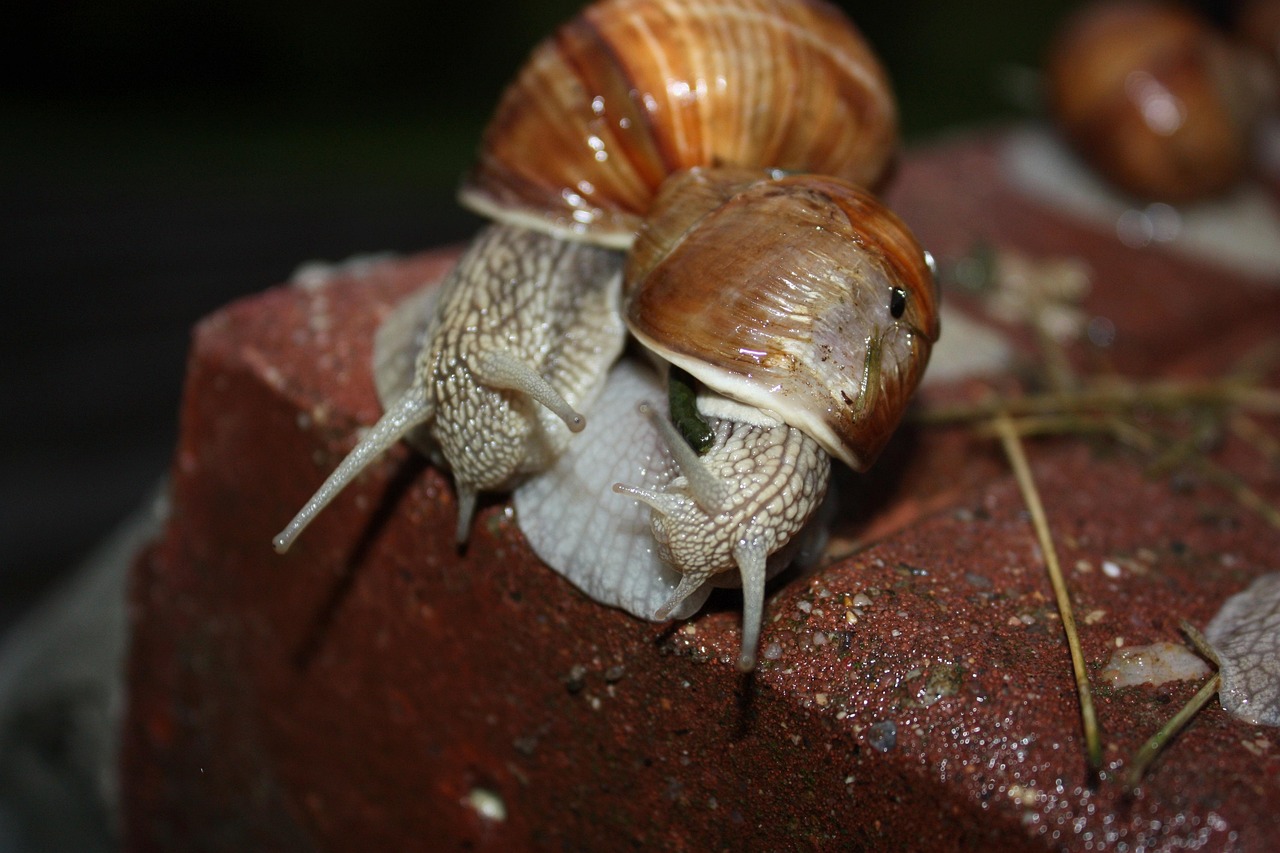
Algae is an inevitable part of every marine aquarium, but the right cleanup crew turns a chore into a hands-off process. This turbo snail marine cleanup crew guide covers everything you need to know about keeping Turbo fluctuosa and related species in your Singapore reef tank. At Gensou Aquascaping, we consider turbo snails one of the most effective and affordable solutions for film algae, hair algae, and diatom blooms.
What Makes Turbo Snails Special
Turbo snails are voracious herbivores. A single adult can strip visible algae from a surprisingly large area of glass and rockwork each night. Their rasping radula scrapes surfaces clean in a way that few other invertebrates can match. Unlike some cleanup crew members that are largely decorative, turbos deliver visible results within days of being added to a tank.
Species and Availability
Several species are sold under the turbo snail label in Singapore, including Turbo fluctuosa and the Mexican turbo snail (Turbo fluctuosus). Astrea snails are sometimes sold alongside them and serve a similar function, though they struggle to right themselves if knocked over. Prices typically range from $3-8 SGD per snail at local marine fish shops. Buying in small batches of five to ten allows you to gauge your tank’s algae production before overstocking.
Tank Conditions and Temperature Sensitivity
Here is where Singapore hobbyists face a genuine challenge. Many turbo snail species originate from cooler waters and prefer temperatures of 22-26 degrees C. Our tropical ambient temperatures of 28-32 degrees C can push uncooled tanks well beyond their comfort zone, leading to premature death. If you run a chiller and maintain 25-26 degrees C, turbo snails will thrive. Without active cooling, consider trochus snails or cerith snails as more heat-tolerant alternatives.
Stocking Density
A common mistake is adding too many snails at once, which leads to starvation once the initial algae bloom is consumed. Start with one turbo snail per 40-50 litres of tank volume. Monitor algae growth over two to three weeks and add more only if algae continues to outpace your crew. Overstocking cleanup crews is one of the most frequent errors we see in new marine setups — a starving snail is a dying snail.
Feeding Beyond Algae
In a well-maintained reef, natural algae growth may not sustain a large turbo snail population. Supplement with dried nori seaweed sheets clipped to the glass or tucked into rockwork. Blanched vegetables like zucchini also work in a pinch. Ensuring your snails have consistent access to food keeps them active and extends their lifespan significantly.
Handling and Acclimation
Never pull a turbo snail off the glass or rock by force — their muscular foot grips tightly, and yanking can injure or kill them. If you need to move one, gently slide a fingernail or credit card under the foot to break the seal. Acclimate new arrivals using the drip method over 30 to 45 minutes, as invertebrates are sensitive to sudden salinity shifts. Place them right-side-up on the rockwork after introduction, as some struggle to flip over on bare sand.
Building a Balanced Cleanup Crew
Turbo snails work best as part of a diverse crew. Combine them with hermit crabs for detritus removal, peppermint shrimp for aiptasia control, and nassarius snails for sand-bed stirring. Each member targets a different niche, and together they maintain a cleaner tank than any single species could manage alone. This layered approach is what we recommend to every reef keeper who visits our studio at 5 Everton Park.
Related Reading



